Should you sell your hunting land? There’s no rule that says you decide in October. October is just when the place tells on itself. By now you know. How many times did you actually get up there? Who came along? Did the drive start to grind on you, and what’s different next door from last fall? Write it down now and weigh it over the winter.
None of the signals below means you should sell. We’re Michigan Whitetail Properties. We’ve been an independent Michigan brokerage since 1995, we work all 83 counties, and we hear this question a lot from owners who aren’t ready to answer it yet. This is for them.
Key takeaways
- Watch six things this month: days hunted, the drive, who still shows up, neighbor pressure, upkeep, and if the place still fits how you hunt.
- Michigan farm real estate is up 2.9% for 2026, to $7,000 an acre, according to USDA. Keeping land has paid on paper, though USDA doesn’t track hunting land separately.
- To get cost per day hunted, add up taxes, insurance and upkeep, then divide by the days you really hunted.
- In between keeping and selling, you’ve got leasing, the Qualified Forest Program, or selling off part of the land.
- A cash sale can be the right call for a clouded title, an urgent probate or financial distress. Otherwise, there’s no deadline, and spring is soon enough to decide.
The Six Signals Worth Paying Attention To
 Each of these is normal on its own. The pattern worth noticing is several of them, for more than one season.
- Days hunted: count the sits you made this season, not the ones you planned. The tax bill is the same either way.
- The drive: note how many weekends you skipped because of the trip. A drive you didn’t mind ten years ago can turn into the reason you stay home.
- Who uses it: if you bought the land for your kids or a hunting group, did they come this year? Did anyone?
- Neighbor pressure: a new house or two, stands creeping up to your line, more shots at daylight than you remember. Note it, and roughly when.
- Upkeep against willingness: plots, trails, gates and roofs need work whether you feel like it or not.
- Fit: does the property still match how you hunt? Michigan’s regular firearm season opens Sunday, Nov. 15. Are you counting the days, or already tired thinking about packing the truck?
The Case for Keeping It
 Land has held its value. Michigan farm real estate hit $7,000 an acre in 2026 by USDA’s count. That’s 2.9% more than 2025 and about 28% more than the $5,470 of 2022. Those are statewide farm figures, not hunting-land prices, and past gains don’t promise future ones. But an owner who sold in 2022 would likely pay more to buy similar ground today.
Some value never shows up on a tax bill. Maybe a parent’s old stand is still hanging out there. Maybe the grandkids could shoot their first deer here. That counts for something. A sale is permanent. You can buy hunting land again; you can’t buy back that ridge.
The rules are also about to change in a way that could help a well-run property. Starting with the 2027 seasons, Lower Peninsula hunters are limited to one buck per hunter, under rules the Natural Resources Commission approved in May 2026. If you and your neighbors pass young bucks, a managed property could see more older deer. That isn’t guaranteed: Ohio’s DNR, whose state already allows one antlered deer per hunter, points to hunter selectivity and liberal antlerless opportunities for its older bucks. Our one-buck rule guide covers what changes.
And one bad year (a wet season, a busy job, a partner who moved) isn’t a trend. Our guide to what makes a property hold long-term value is a good gut check.
The Carrying-Cost Math
 Put four lines on one page:
- Property taxes: pull last year’s summer and winter bills. Can’t find them? Use Michigan Treasury’s property tax estimator.
- Insurance: the land and whatever buildings sit on it.
- Upkeep: seed, fuel, equipment, road and trail work, plus repairs. Our hunting land maintenance costs guide lists what to count.
- Opportunity cost: the money sitting in the land could be earning something elsewhere. Only you know that rate.
On the other side go appreciation and use. For scale, 80 acres at USDA’s 2026 state average comes to $560,000; a 2.9% gain on that is $16,240 on paper for the year. Your parcel could do better or worse, and paper gains only count when you sell.
Cost per day hunted = (taxes + insurance + upkeep) ÷ days you actually hunted this year. Put that number next to the days you want to hunt next year and see how it sits.
The Options Between Keeping and Selling
 You have more choices than keep or sell.
Lease it. You keep the deed and get a check. The catch is that somebody else is hunting your spots, and there’s more paperwork and liability to think about. Our hunting lease guide covers rates, liability and resale. The DNR’s Hunting Access Program can pay up to $30 an acre for high-quality habitat enrolled in a Farm Bill program such as CRP, or for land in wildlife food plots, but the public hunts enrolled land.
Enroll in the Qualified Forest Program. On 20 acres or more of qualifying forest, MDARD’s program exempts you from local school operating millage, typically 18 mills, in exchange for a 2-mill annual fee and following a forest management plan. It cuts the tax line; it doesn’t fix a long drive. See our QFP guide for hunters.
Sell part and keep the core. A lot of owners only hunt one end of the place anyway. Call the township or county about what a split takes before promising acreage to anybody, and don’t sell off your only way in.
Put it in a family LLC. That one’s a legal and tax call, so sit down with a Michigan attorney and a CPA before you retitle anything, and ask how the transfer hits your property taxes. Our inherited land guide explains taxable-value uncapping.
Sell for cash. A cash buyer can be the right answer for a clouded title, an estate that has to settle bills quickly, or financial distress where speed counts for more than price. Listing takes longer; our Michigan days-on-market analysis shows current marketplace timing so you can weigh the trade-off.
What to Document Right Now, Before Snow
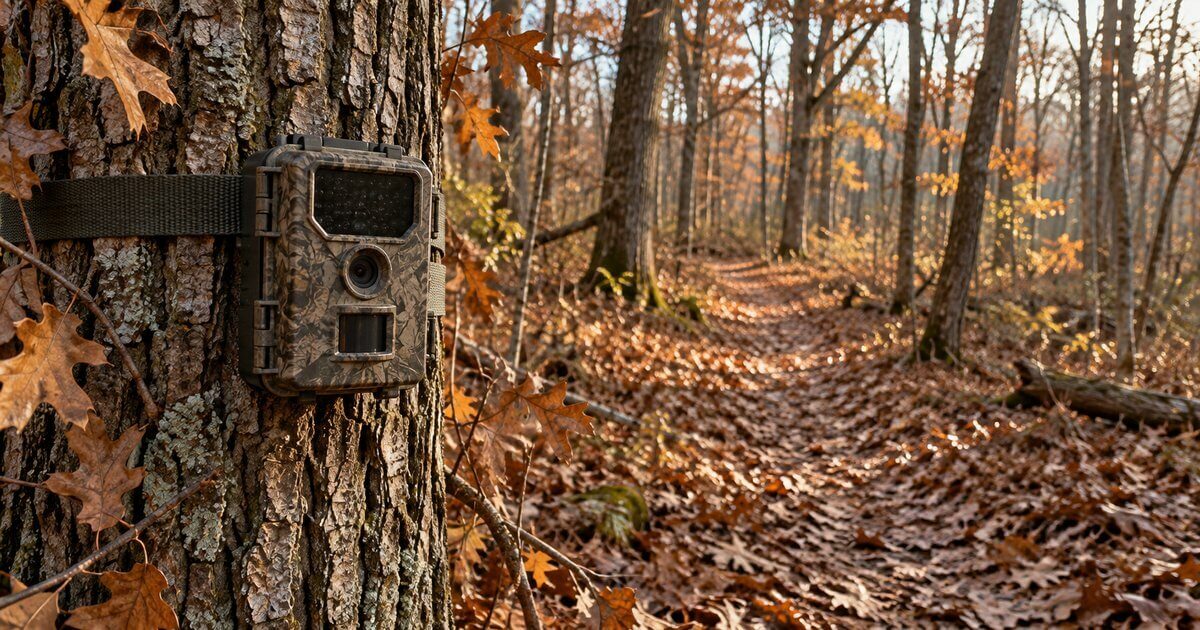 If you’re leaning toward selling, this season’s information is worth more now than it will be in March.
- Log sightings by stand and date, and save dated trail camera photos.
- Keep your DNR harvest report confirmations. Michigan wants every deer reported within 72 hours of harvest or before you hand it off to someone, whichever comes first. That makes those confirmations a dated record of what the land produced.
- Write down pressure and access headaches like trespass, shots on the line or a crossing that washed out.
- Take pictures before the leaves are gone.
- Find the deed, the last couple tax bills, and any leases or easements.
Then ask what the land would likely bring while this year’s sales are fresh, even if you plan to keep it. Our seller’s guide explains how pricing and timing work.
You Don’t Have to Decide Anything Until Spring
 Nothing about October forces a decision.
A value estimate is information, not a commitment to sell.
Here’s how to decide in spring: lay your season notes next to your cost per day, and ask one question. Would you buy this property today, at its value, for the way you hunt now? If the answer’s yes, keep it. If it’s no, try the options above before anything else, and only when none of them work does selling deserve a hard look.