Michigan’s earn-a-second-buck (EASB) pilot begins with the 2027–28 deer season in five Lower Peninsula counties: Barry, Hillsdale, Ingham, Kalamazoo, and Lapeer. Hunters who harvest and report an antlerless deer in a pilot county become eligible to buy a bonus buck tag — $20 resident, $170 non-resident — valid on a buck carrying at least four points on one side. The five-year pilot, authorized under Wildlife Conservation Order (WCO) Amendment No. 7, runs through 2031 and will be measured against five paired control counties.
At Michigan Whitetail Properties, we’ve walked this ground for 30 years, and the practical effect on land starts well before 2027: a property that reliably produces antlerless harvest is about to become a property that can produce two bucks.
That’s not a small distinction if you own ground in Hillsdale County or you’re shopping for it. Grab a coffee. We’re going to walk through exactly what this program does, how the mechanism works, and — more than any competitor site is willing to say out loud — what it does to the value of the dirt under your boots.
What the Earn-a-Second-Buck Pilot Actually Is
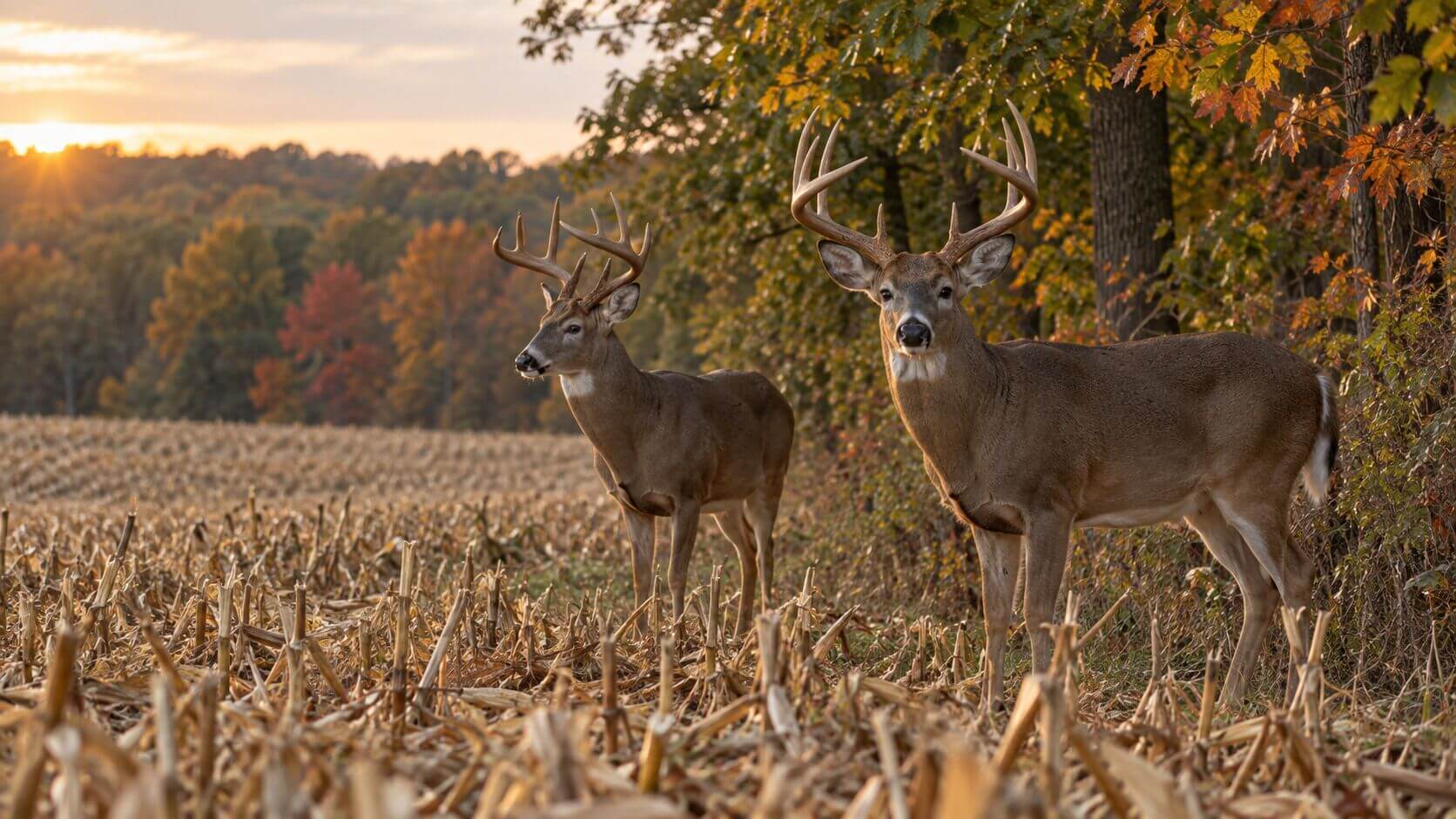 The earn-a-second-buck pilot lets a hunter who takes an antlerless deer in one of five designated counties buy a second tag for a buck with at least four points on one side. It does not start this fall. The opportunity begins with the 2027-28 season — not 2026.
Here’s where a lot of hunters get tangled up. The Natural Resources Commission approved the framework on May 13, 2026, and WCO Amendment No. 7 was signed in July 2026. The order itself took legal effect in 2026. But the order taking effect and a hunter actually earning a second buck are two different things. No one is shooting a bonus buck this November under this program. Nobody. The five pilot counties don’t open for EASB until next year’s season.
We’re being blunt about that because plenty of hunting forums and a few lazier blog posts have already muddled the timeline. If you’re evaluating a property this fall based on an assumption that EASB is live right now, you’re working from bad information.
Why does a fourteen-month lead time matter to anyone besides a hunter marking a calendar? Because land doesn’t wait for the season to open before its value starts moving. Buyers and sellers who understand the mechanism now — who they need to be reporting harvest, and where — are already positioning ahead of a market that hasn’t fully priced it in. That’s the entire second half of this article.
The Five Pilot Counties and Their Five Control Counties
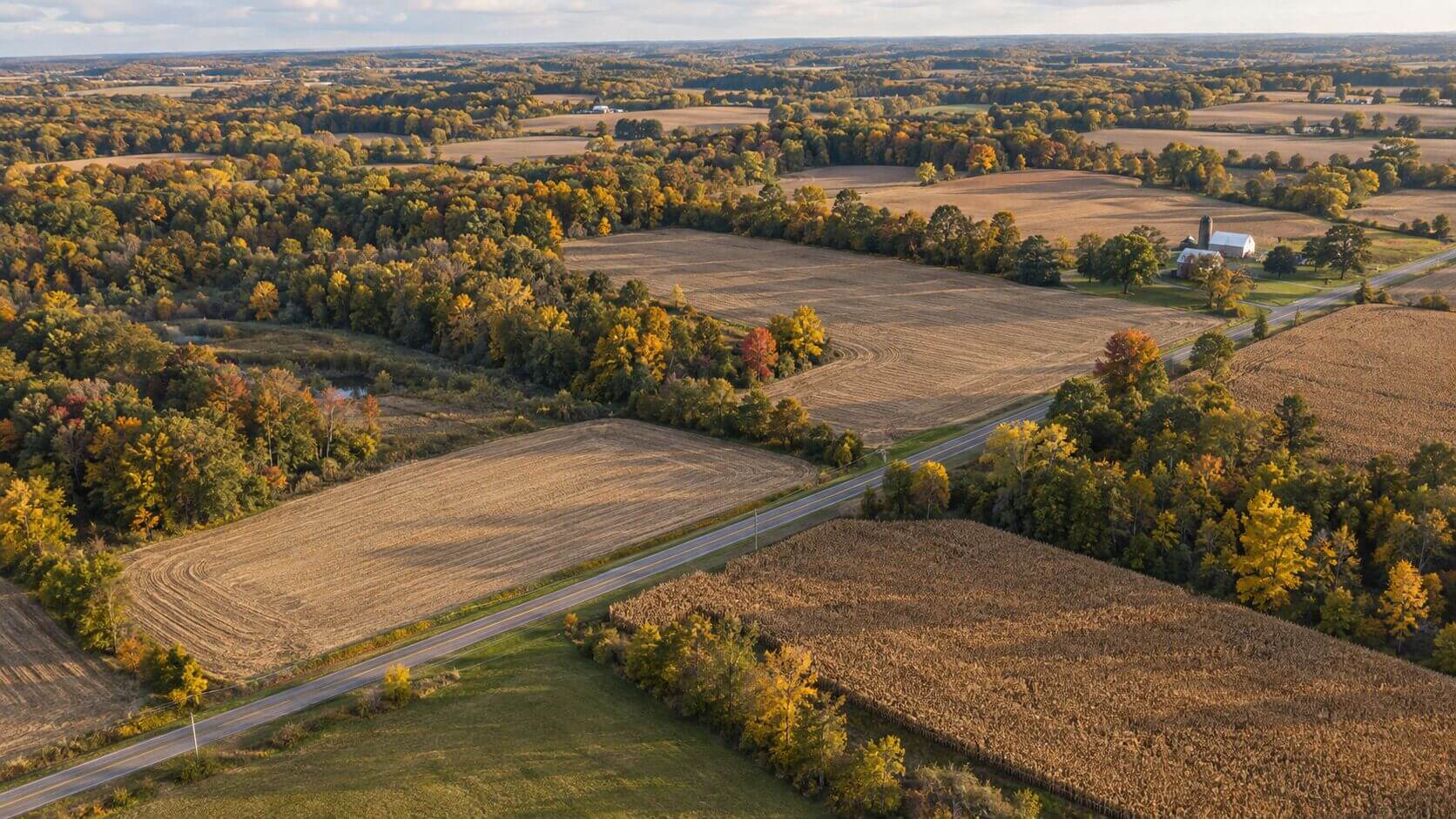 The DNR didn’t pick five counties at random and call it science. Each pilot county is paired with a control county chosen for comparable habitat, deer density, and hunting pressure — the paired design is what lets researchers isolate the pilot’s actual effect from ordinary year-to-year variation.
| Pilot County | Paired Control County |
|---|---|
| Barry | Allegan |
| Hillsdale | Lenawee |
| Ingham | Isabella |
| Kalamazoo | Washtenaw |
| Lapeer | Livingston |
If your ground sits in one of the five control counties, nothing changes for you at the tag counter. You won’t have earn-a-second-buck eligibility in 2027. But your county’s harvest data still matters — it’s the baseline the DNR uses to tell whether the pilot counties actually moved the needle on antlerless harvest and deer density, or whether the change was just noise.
How the Mechanism Works, Step by Step
The mechanics aren’t complicated, but the sequence matters. Skip a step and the bonus tag never becomes available to you.
- Buy your standard license — single or combo — the same one every Michigan deer hunter buys.
- Harvest an antlerless deer, but it has to happen inside one of the five pilot counties. An antlerless deer taken in Lenawee doesn’t count toward Hillsdale eligibility.
- Report that antlerless harvest to the DNR. Mandatory, not optional.
- Once reported, you’re eligible to purchase the bonus buck tag: $20 for a Michigan resident, $170 for a non-resident.
- The bonus tag is valid on a buck with at least four points on one side — and only within the pilot area.
What doesn’t qualify: an antlerless harvest outside the five pilot counties, and any harvest that never gets reported. Both are dead ends.
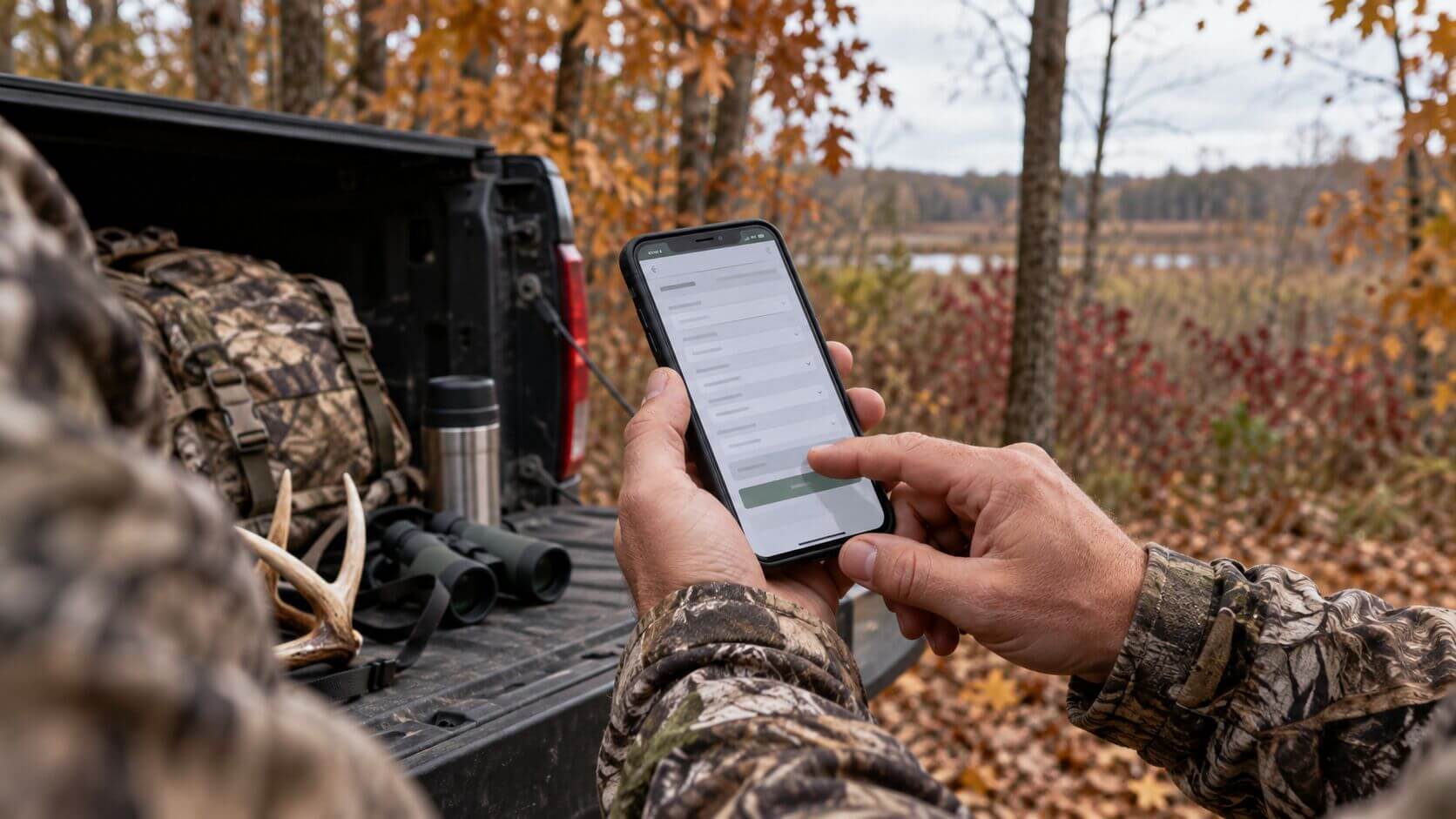 [TAKEAWAY] The doe comes first. Always. Every hunter chasing a second Hillsdale County buck in 2027 starts the same way — by putting an antlerless deer on the ground and reporting it.
Walk through a real scenario. Say you hold ground in Barry County and you take an antlerless deer opening week of archery season. You report it — through the same harvest reporting system Michigan hunters already use for every deer they tag. From that point forward, you can purchase the $20 bonus tag and hunt a second buck anywhere on that Barry County property, provided it carries at least four points on one side. Nothing about your first buck tag changes. This is additive, not a replacement for the standard license.
Why the DNR Built It This Way
This program was never about handing out more opportunity for its own sake. Read between the lines of the NRC’s own framing and the real objectives are density management and disease surveillance — specifically, giving the department a tool to pull down antlerless numbers in a five-county block of the southern Lower Peninsula where chronic wasting disease has been an ongoing concern.
The five-year window matters too. A single season of data tells you almost nothing about deer population trends. Five years against five paired control counties gives the DNR something closer to a real experiment — a before-and-after, treatment-and-control comparison instead of a guess dressed up as policy.
Chronic wasting disease has been an ongoing management concern in parts of the southern Lower Peninsula for years, and an antlerless-focused pilot fits squarely into that picture: fewer does on the landscape generally means slower disease spread, tighter deer-to-deer contact reduction, and better long-term herd health in the areas where CWD surveillance has been heaviest. The DNR isn’t advertising this as a CWD program — it’s framed as a hunter opportunity and a density study — but the two goals aren’t in tension. If you want the fuller CWD picture across the southern Lower Peninsula, we’ve laid it out county by county in our chronic wasting disease guide for Michigan hunting land.
What This Does to Land Value in the Five Pilot Counties
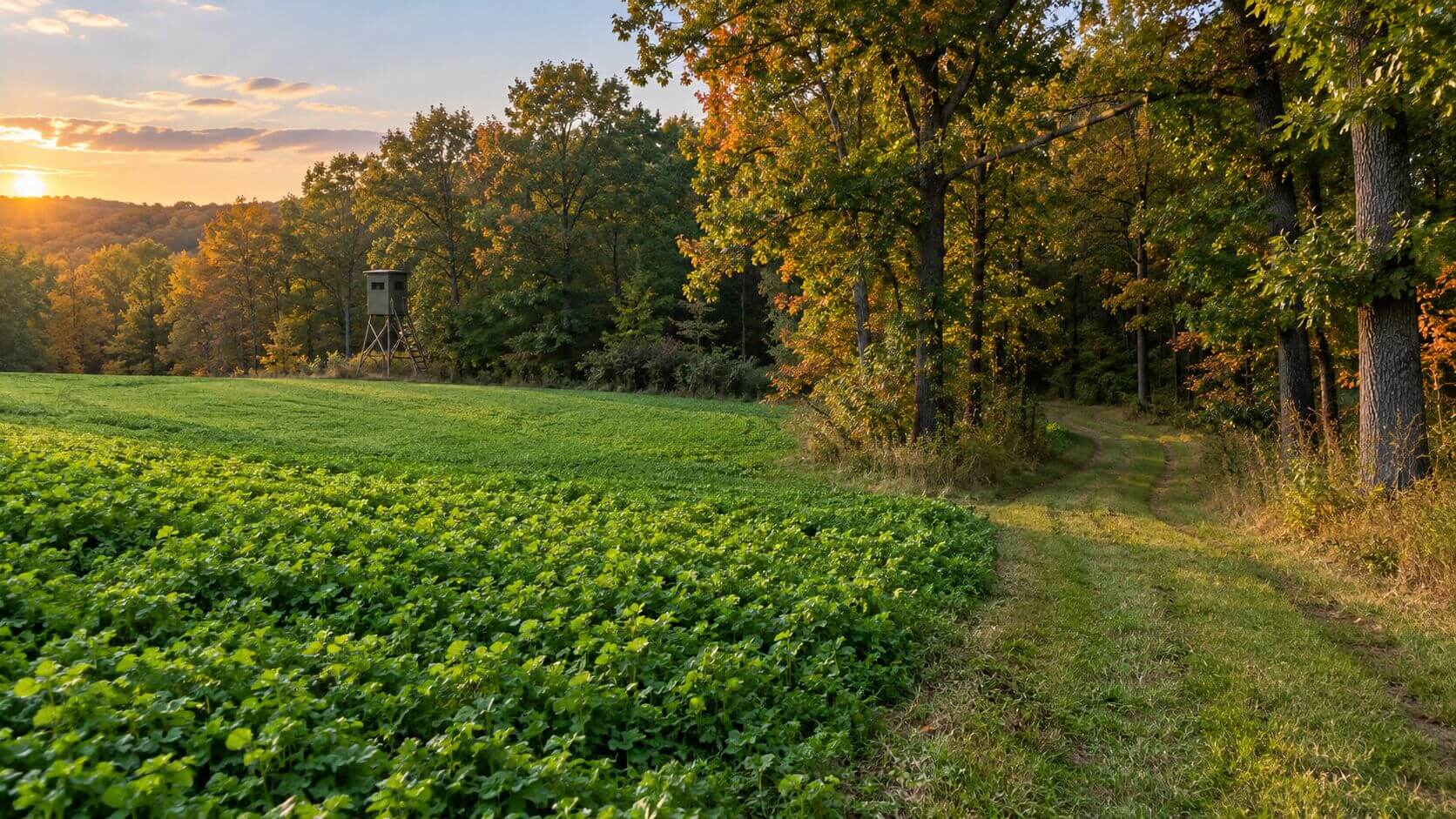 Here’s the section most competitor sites won’t touch, because it takes actually understanding land, not just regulations, to say it plainly: doe-productive habitat just became the scarce asset in five specific Michigan counties.
Picture two nearly identical 80-acre parcels — one in Hillsdale, one twenty minutes away in Lenawee. Same cover ratio, same ag edge, same road frontage. Starting in 2027, the Hillsdale parcel can produce two bucks for the right hunter. The Lenawee parcel, sitting in a control county, produces one. That’s not a cosmetic difference. That’s the kind of gap that shows up in what a serious hunting-land buyer is willing to pay.
The features that actually drive antlerless productivity haven’t changed, but they matter more now: standing food sources and rotated food plots, cover diversity that holds does through pressure, reliable water, and low hunting pressure that lets a property carry deer instead of just passing them through.
[STAT] Managed Michigan hunting properties already command a 15–30% premium over comparable unmanaged ground. Expect that gap to widen inside the five pilot counties as EASB eligibility becomes a real, marketable feature of the land itself.
This is worth spelling out for anyone weighing a tillable-versus-hunting-land decision on the same property. A field left in row crop generates cash rent, but it doesn’t build antlerless carrying capacity. A field converted to a rotated food plot program, or left standing into winter, does both jobs at once in a pilot county — rental-adjacent income potential and EASB eligibility working off the same acres.
We go deeper on that trade-off in our tillable land versus hunting land comparison.
How EASB Interacts With the 2027 One-Buck Rule
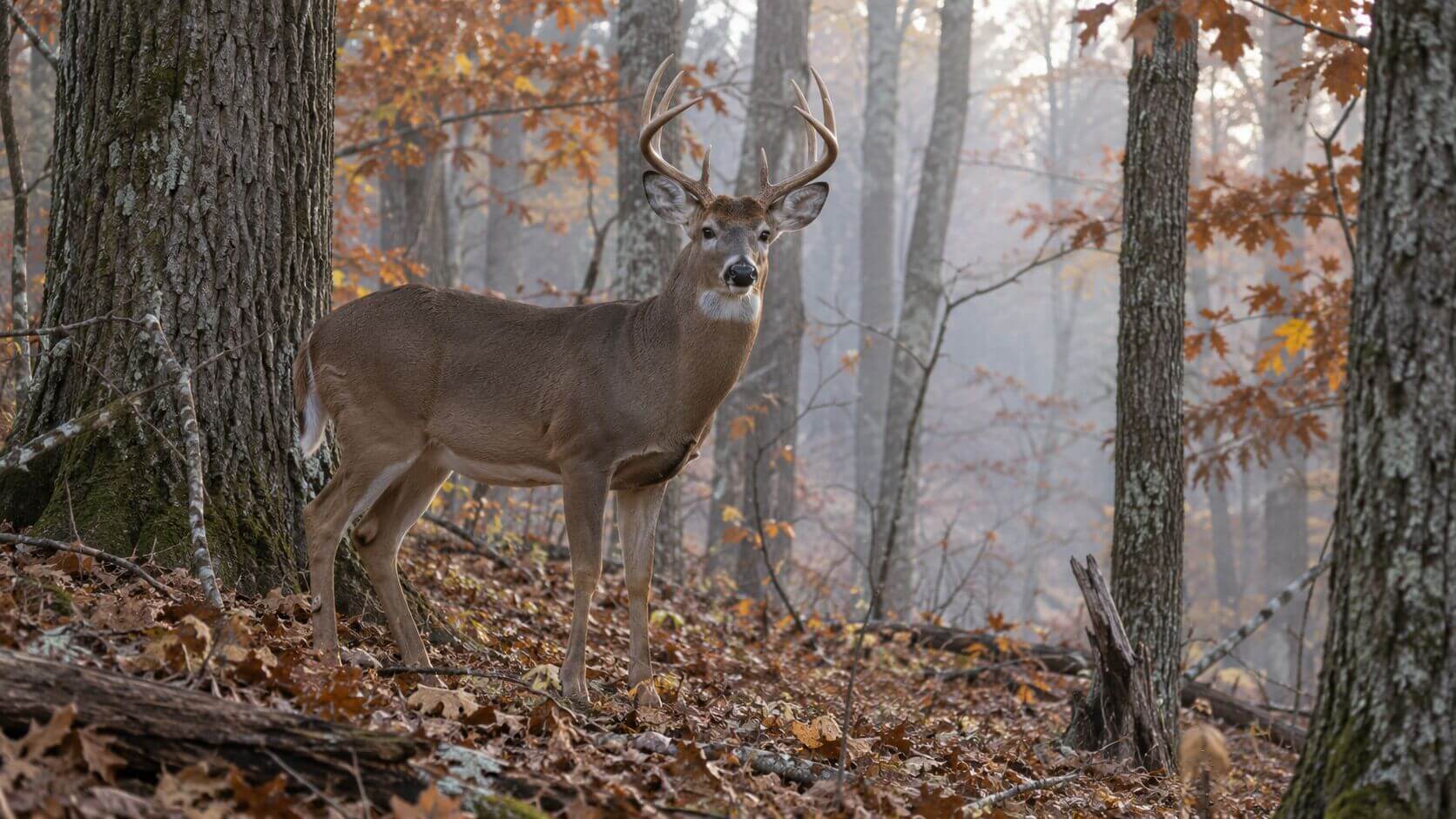 This is the part that makes 2027 the most consequential season Michigan hunting land has seen in years. The same year EASB opens in five counties, the Lower Peninsula’s new one-buck rule takes effect everywhere else. Most LP hunters get exactly one buck tag’s worth of opportunity. Hunters and landowners in the five pilot counties get a release valve — do the antlerless work, and a second buck is back on the table.
That combination stacks two 2027 rule changes directly on top of five specific counties. If you’re deciding where to buy hunting ground in Michigan this year, that stack is not a footnote. It’s close to the whole story. For the broader picture of everything shifting in 2026 and 2027, our complete guide to Michigan’s deer regulation changes walks through every rule in one place.
Think about what that means for a father-and-kid hunting operation, or a group camp splitting tags among four or five hunters. Under a flat one-buck rule, that camp’s total buck harvest drops hard compared to years past. Put that same camp on a well-managed Hillsdale County property and the antlerless work one or two members put in early season can put a second buck tag back on the table for the group. The pilot doesn’t just affect an individual hunter’s opportunity — it changes the math for anyone hunting property as a group.
What Landowners in the Pilot Counties Should Do Now
You don’t have to wait until 2027 to start positioning a property for what’s coming. A few things are worth doing this fall and winter:
- Build antlerless carrying capacity now — food plot rotations, standing bean or corn left for winter, water access that holds deer through pressure.
- Start documenting. Trail camera archives, harvest records, and dated habitat work all build a paper trail that means something to a buyer later.
- If you’re planning to sell, the math is simple: a seller who starts documenting this December has fourteen months of evidence in hand by the time the 2027 season opens.
- If you’re buying, recognize that pilot-county properties are, right now, still priced on 2026 fundamentals. The market hasn’t fully caught up to what 2027 changes.For sellers specifically, that documentation isn’t just goodwill — it’s a negotiating tool. A listing that can show three years of trail camera data, a mapped food plot rotation, and antlerless harvest history gives a buyer’s agent something concrete to point to instead of asking them to take your word for it. For buyers, the flip side is just as real: two properties in Hillsdale County can look identical in photos and be worlds apart in what they’ll actually produce once EASB opens, and the only way to tell the difference is to ask for exactly that kind of documentation before you make an offer.
That last point is the one we’d tell a buyer sitting across the truck tailgate from us: the window between today and next fall is exactly when a Hillsdale or Barry County property gets bought at a price that doesn’t yet reflect the second-buck upside.