Michigan’s 2026 deer season carries the largest regulatory overhaul in decades. The Limited Firearms Zone is eliminated — all legal firearms are now permitted across the entire Lower Peninsula. The muzzleloader season has been cut from ten days to three and renamed the December Firearm Season in the Lower Peninsula (Dec 4–6). The Upper Peninsula’s antlerless access drawing is gone, and the extended late antlerless and January archery seasons have been eliminated entirely. A bigger change lands in 2027: Lower Peninsula hunters will be limited to one buck per year, with an earn-a-second-buck pilot in five counties. Michigan Whitetail Properties has been walking this ground since 1995, and we haven’t seen a season carry this much regulatory change at once.
Bookmark this page. We’re keeping it current as the Natural Resources Commission makes its next move, and it’s meant to be the one place you check instead of piecing the story together from six different forum threads.
The Short Version: What Changed and When
Two different years, two different kinds of change. 2026 changed how you hunt — what firearm you can carry, when the seasons fall, how antlerless tags get issued. 2027 changes how many deer you can take home.
| Change | Effective | Who It Affects |
|---|---|---|
| Limited Firearms Zone eliminated | 2026 | Lower Peninsula hunters |
| Muzzleloader season cut to 3 days, renamed December Firearm Season | 2026 | LP hunters (UP keeps muzzleloader-only) |
| UP antlerless drawing eliminated | 2026 | Upper Peninsula hunters |
| January archery and extended late antlerless eliminated | 2026 | Statewide |
| One buck per year limit | 2027 | Lower Peninsula hunters only |
| Earn-a-second-buck pilot | 2027 | Barry, Hillsdale, Ingham, Kalamazoo, Lapeer counties |
[TAKEAWAY] 2026 changed how you hunt. 2027 changes how many you take.
If you only hunt, this is a lot to track before opening day. If you own or are shopping for Michigan hunting land, it’s more than that — every one of these changes touches what a property is actually worth to the person using it. A parcel’s value has always come down to what it lets a hunter do. Change the rules and you change the math, even if the dirt itself never moves.
Complete 2026 Season Dates
Here’s every date, verified against the DNR’s own release. Print this section if you need to.
| Season | Dates |
|---|---|
| Liberty Hunt & Early Antlerless Firearm | Sept 12–13 |
| Archery | Oct 1–Nov 14 and Dec 1–Jan 1 |
| Independence Hunt | Oct 15–18 |
| Regular Firearm | Nov 15–30 |
| December Firearm (Lower Peninsula, all legal firearms) | Dec 4–6 |
| Muzzleloader (Upper Peninsula only) | Dec 4–6 |
| Late Antlerless | Dec 7–Jan 1 |
Two things trip up more hunters than anything else on this list. First, January archery is gone — the season now ends January 1, full stop. Second, Dec 4–6 means two completely different things depending which peninsula you’re standing in: any legal firearm in the LP, muzzleloader only in the UP.
Notice, too, what didn’t move. Archery still opens October 1 and still gets that second window from December 1 through New Year’s Day. The Independence Hunt — Michigan’s accessible hunt for hunters with disabilities — keeps its same mid-October window. Regular firearm season still runs the traditional Nov 15–30 stretch that most Michigan hunters build their whole fall around. The overhaul is real, but it’s concentrated in the late season and the antlerless structure, not the calendar most hunters already have memorized.
For anyone marketing or evaluating hunting land, these dates aren’t just a hunter’s calendar — they’re a set of hard deadlines. A property listing that goes live the week after Regular Firearm season closes is competing for attention at the worst possible moment; a listing timed to hit right before Independence Hunt or the December Firearm season can catch buyers who are actively out on Michigan ground and thinking about ownership, not just a weekend hunt. We keep our own content calendar built around these exact windows for that reason.
The Limited Firearms Zone Is Gone
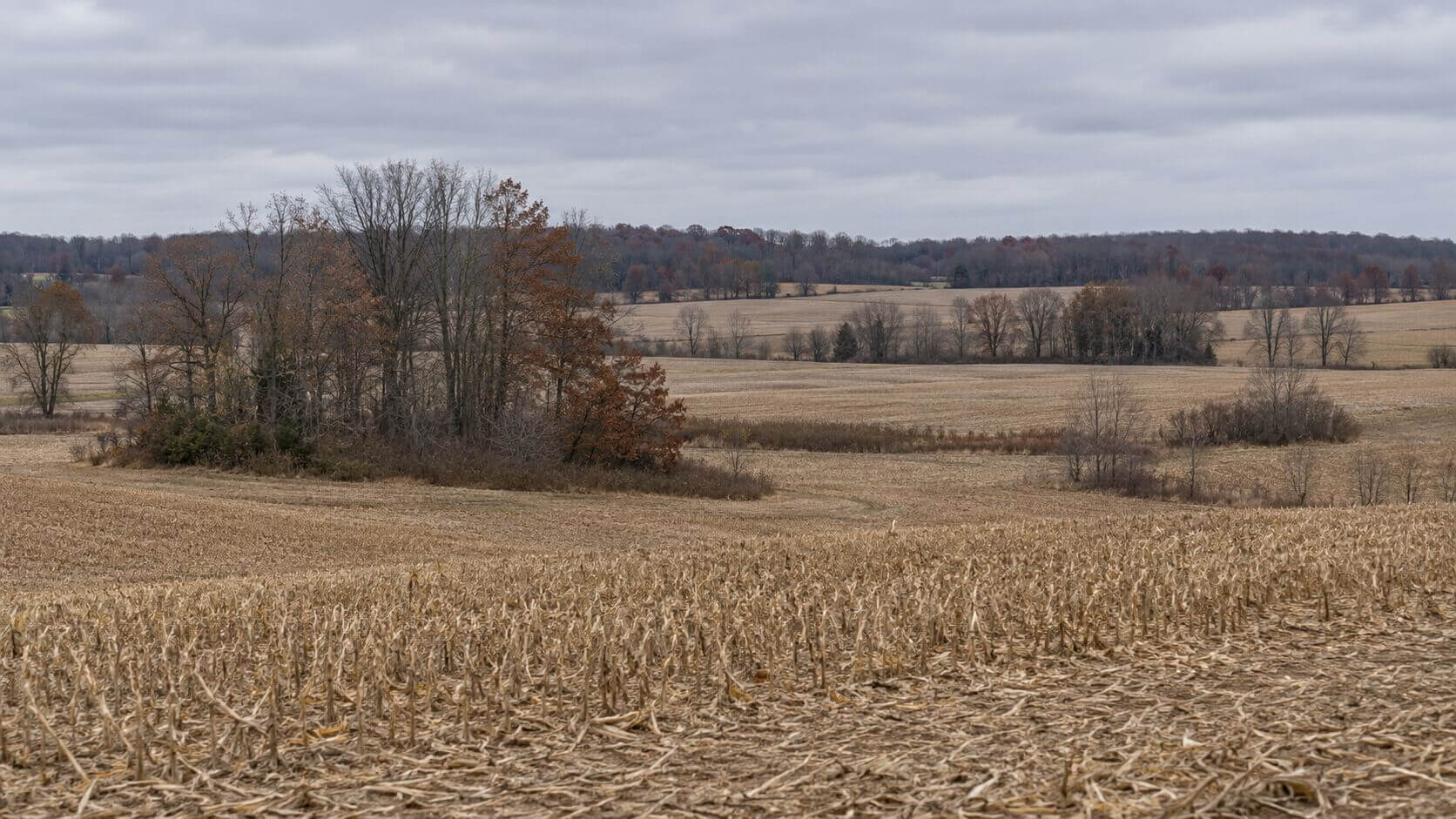 For as long as most of us have hunted, a chunk of the Lower Peninsula sat under a shotgun-and-straight-wall-only restriction — the Limited Firearms Deer Zone. Under WCO Amendment No. 6 of 2026, that zone is eliminated. Rifles, including bottleneck cartridges, are now legal statewide across the Lower Peninsula.
The practical shift shows up fastest in southern Michigan’s small-woodlot country. Straight-wall options like the .350 Legend and .450 Bushmaster already carried plenty of hunters through the old zone, and now traditional rifle cartridges are on the table too. That means longer effective shots are legally possible where they weren’t before — and in country cut up into 40- and 80-acre woodlots surrounded by neighbors, that’s not a small thing. Expect more conversation this fall about shot discipline, backstops, and where your property line actually sits relative to the next house down the road.
[STAT] This is the single largest change to Michigan firearm deer hunting in decades — a boundary that shaped how an entire region hunted, gone in one vote.
For hunters who’ve only ever hunted inside the old zone, this changes gear decisions as much as it changes regulations. A rifle chambered for a traditional deer cartridge is a different tool than a straight-wall gun in tight cover — different report, different typical engagement distance, different recoil. None of that shows up in the regulation text, but all of it shows up on opening morning in a 40-acre southern Michigan woodlot with a house within sight of the property line.
The Muzzleloader Season Became the December Firearm Season
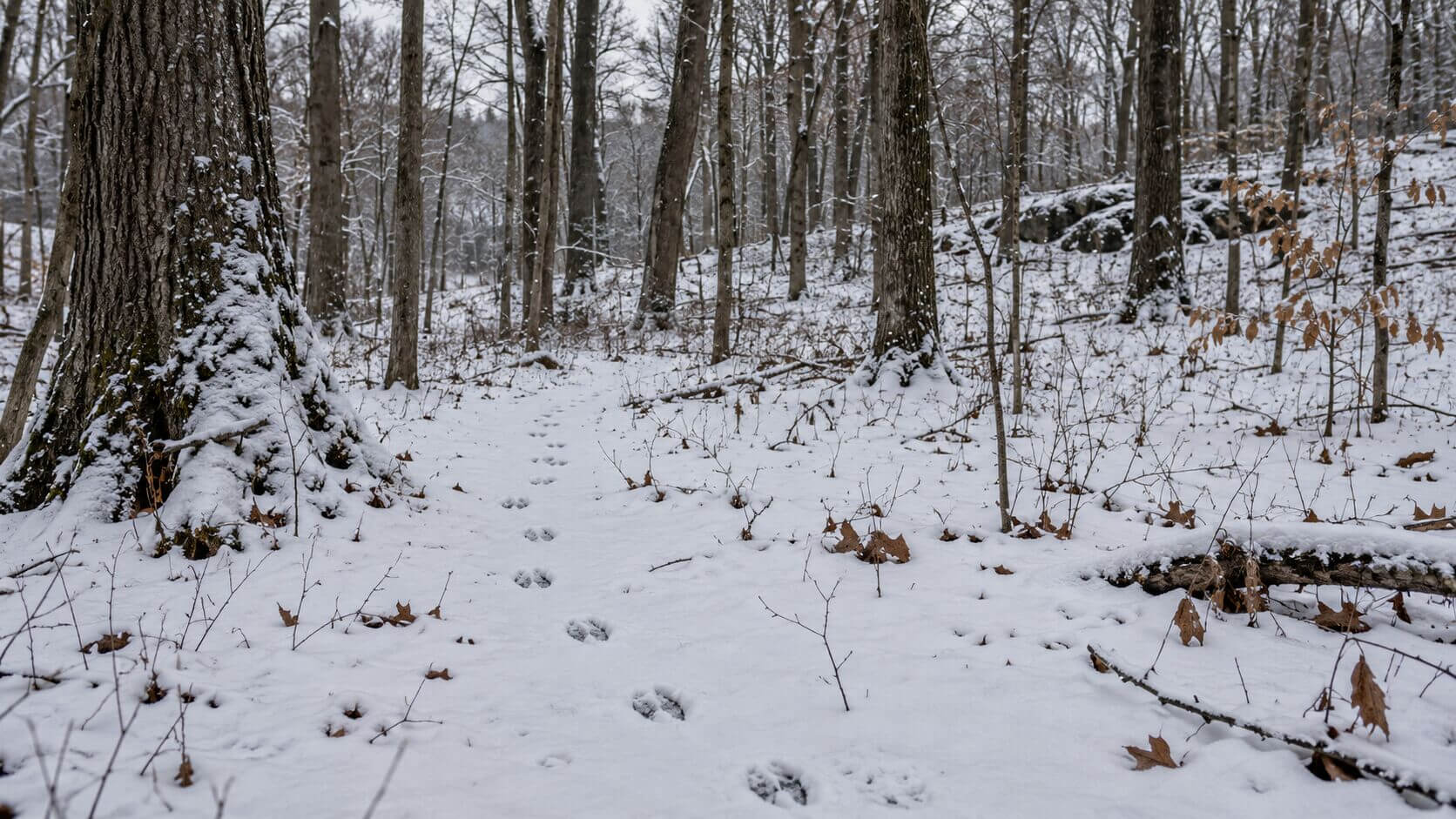 Ten days shrank to three. The old muzzleloader season now runs Dec 4–6 — the first Friday in December through Sunday — and in the Lower Peninsula it’s been renamed the December Firearm Season and opened to any legal firearm, not just muzzleloaders. The Upper Peninsula keeps the muzzleloader-only restriction on those same three days.
A ten-day season gave hunters room to work around weather and work schedules. A three-day window doesn’t. Compress the season and you concentrate the pressure — which means the properties that already hold deer through pressure, rather than just seeing them pass through, get more valuable during exactly this stretch. If you’re managing ground for late-season hunting, standing food that survives into December just went from a nice-to-have to a real differentiator.
Think about what three days actually means logistically. Miss the Friday because of work, lose a Saturday to weather, and a hunter is down to one usable day where they used to have a stretch to work with. That pushes more pressure onto fewer daylight hours, which rewards a property that already funnels deer predictably — pinch points, staging areas near standing food, travel corridors between bedding and feed. Properties without that kind of structure will feel the compressed window a lot harder than properties that have it dialed in.
Antlerless Licensing Was Restructured
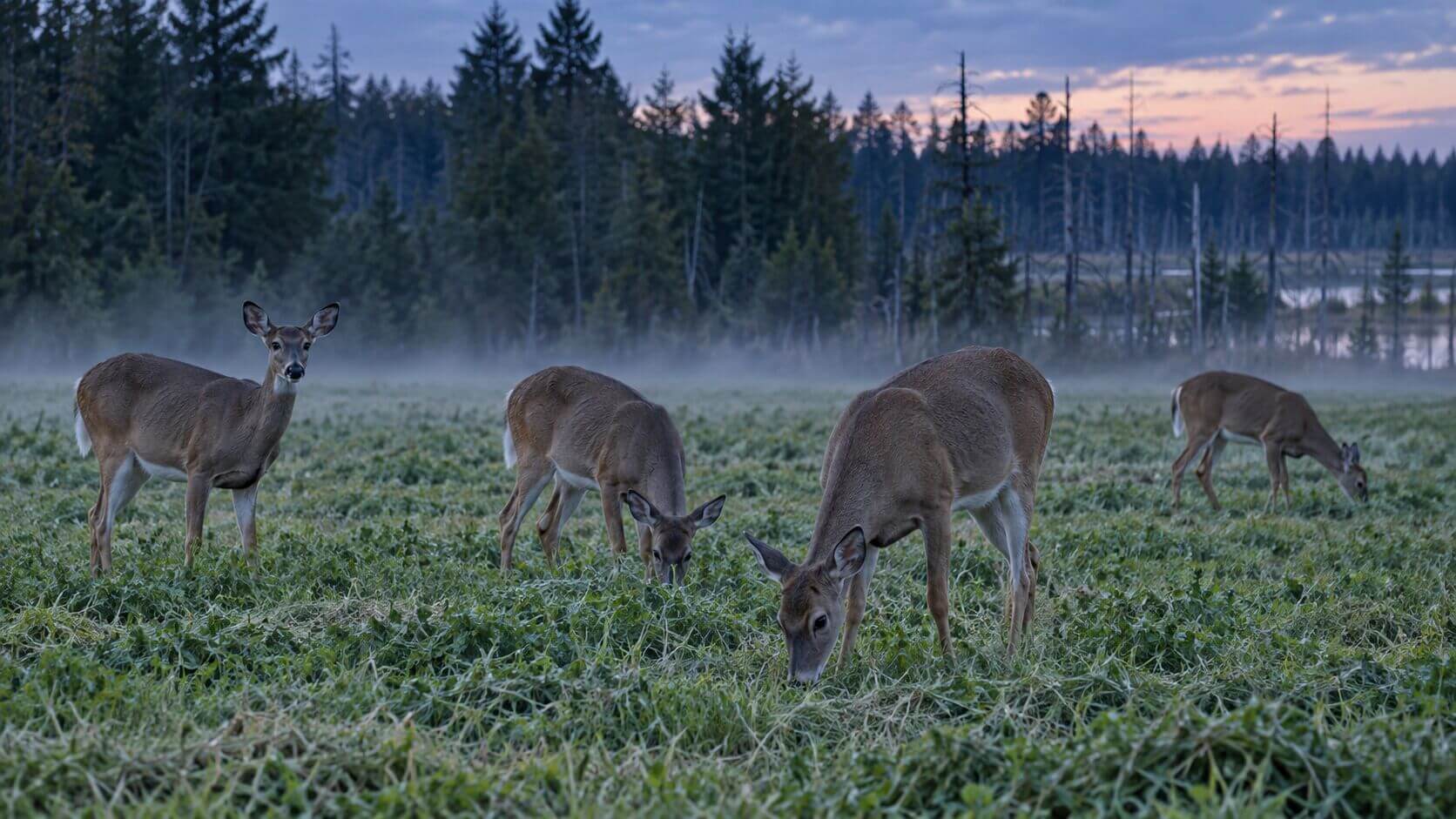 The Upper Peninsula’s antlerless drawing is gone. DMUs 351 and 352 were rescinded, and UP hunters now work through universal antlerless deer licenses in specific management units rather than entering a draw. The department was authorized to set annual use limits on those universal licenses going forward, reviewed each year rather than fixed in the regulation itself.
Two more pieces move with it. The early antlerless firearm season now runs concurrent with the Liberty Hunt, Sept 12–13. And the late antlerless season opens the Monday following the December Firearm season — Dec 7 — and runs through Jan 1.
For UP landowners specifically, the shift from a drawing to universal licenses with annual use limits means antlerless opportunity is now something the department dials up or down year to year based on herd data, rather than something locked into the regulation itself. That’s a meaningfully different planning environment if you manage UP ground for herd health — check use limits each year instead of assuming last year’s numbers still apply.
What’s Coming in 2027: The One-Buck Rule
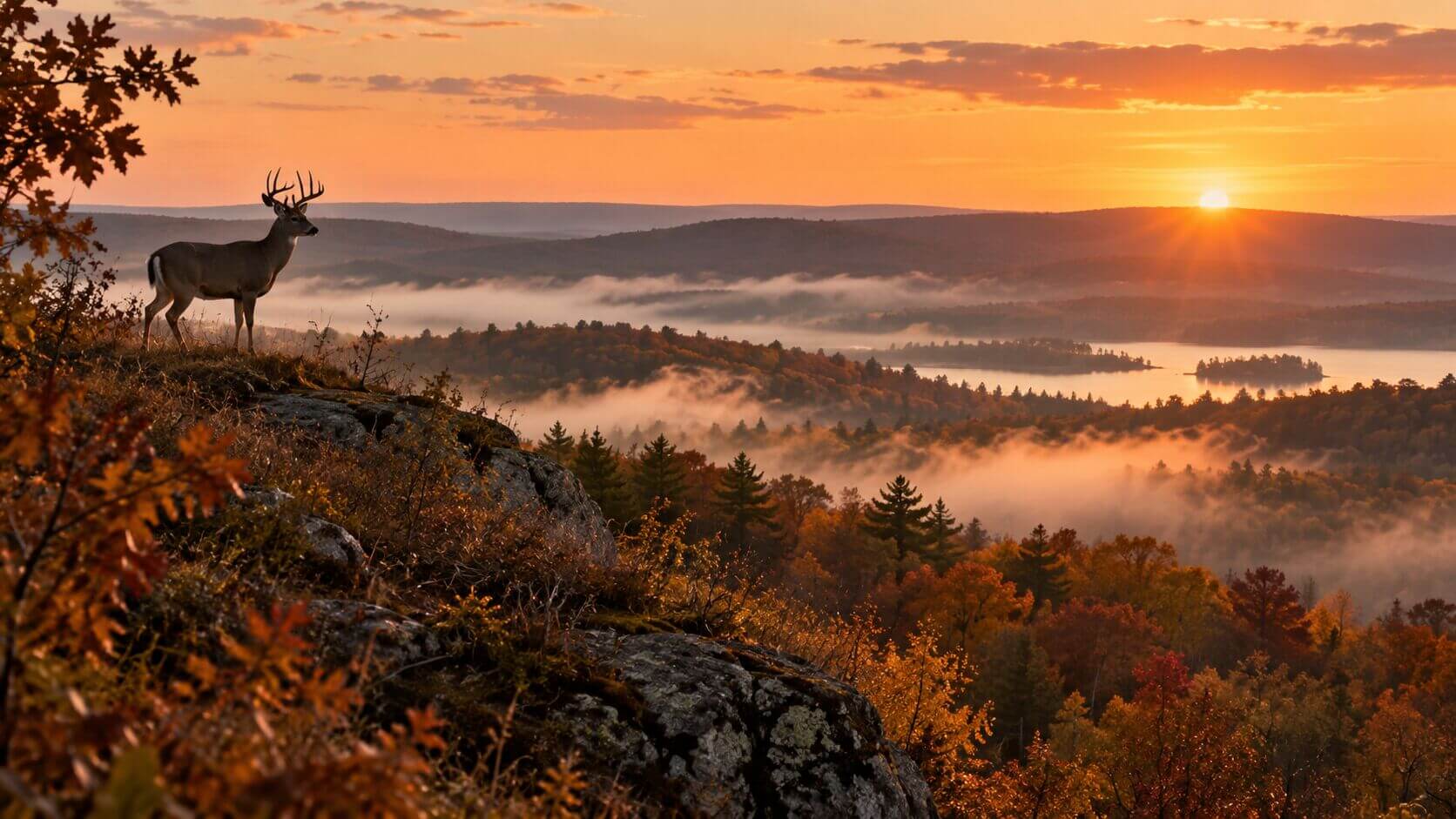 This is the headline for next year, and it only applies in the Lower Peninsula — the Upper Peninsula’s deer regulations stay exactly as they are.
Starting in 2027, LP hunters are limited to one buck per license year. A single deer license covers one deer carrying at least three points on one side, or one antlerless deer — not both. A combination license covers one antlered deer and one antlerless deer, or two antlerless deer, but still only one buck total. Existing DMU-specific antler point restrictions stay in place on top of the new limit.
That’s the backdrop against which the earn-a-second-buck pilot matters so much. In five specific counties — Barry, Hillsdale, Ingham, Kalamazoo, and Lapeer — a hunter who harvests and reports an antlerless deer can buy a bonus tag for a second buck. Everywhere else in the LP, one buck is the ceiling, full stop. We break down exactly how that pilot works, county by county, in our earn-a-second-buck pilot guide.
Picture two hunters, same season, different counties. One hunts Lenawee County and gets exactly one buck no matter what else they do. The other hunts Hillsdale County twenty minutes away, does the antlerless work early, reports it, and has a shot at a second. Same rule change, same year, completely different opportunity — and that gap is what’s about to start showing up in what each county’s hunting land actually sells for.
Region-by-Region Impact: UP, Northern LP, Southern LP
Not every region absorbs these changes the same way.
| Region | What Changed | What Didn’t |
|---|---|---|
| Upper Peninsula | Antlerless drawing eliminated; universal antlerless licenses instead | No one-buck limit; existing deer regulations otherwise unchanged |
| Northern Lower Peninsula | Rifle line eliminated; one-buck rule arrives 2027 | No earn-a-second-buck eligibility |
| Southern Lower Peninsula | Rifle line eliminated; one-buck rule arrives 2027; five counties get EASB eligibility | — |
The Upper Peninsula’s unchanged structure is quietly becoming a real selling point. Once the one-buck rule lands in the LP next year, a UP property still under the old combo-license framework looks different to a serious hunter comparing options — and that’s before factoring in what UP land already costs relative to the southern Lower Peninsula.
Northern Lower Peninsula ground sits in an odd middle position. It absorbs the one-buck rule just like the south does, but none of its counties made the EASB pilot list. For a buyer weighing northern versus southern LP property purely on regulation, the five pilot counties now carry an upside the north doesn’t have — at least until the DNR decides, based on what the next five years of data shows, whether to expand the pilot elsewhere.
That’s worth sitting with if you already own northern LP ground. Nothing about this regulatory package punishes northern properties — the hunting is still the hunting, the habitat is still the habitat — but the relative comparison against five specific southern counties has shifted in a way it hadn’t before this year. If the pilot expands after 2031, that gap could close. Until then, it’s real, and it’s worth factoring into how you talk about a northern property to a buyer who’s cross-shopping regions.
What These Changes Mean for Michigan Land Demand
 Every one of these changes points the same direction: managed ground gets more valuable, unmanaged ground gets left behind. A compressed December Firearm season rewards properties with standing late-season food. The one-buck rule rewards properties that can actually produce a mature buck instead of just passing hunting pressure through. And the EASB pilot turns antlerless-productive habitat into a marketable feature in exactly five counties.
Statewide rifle access cuts the other direction for one specific property type: the small, tight-cover woodlot that used to be valued partly because straight-wall cartridges kept effective range short and made tight quarters workable. That advantage doesn’t disappear, but it narrows now that rifles are legal everywhere in the Lower Peninsula. Larger parcels with more setback between stands and property lines gain a small edge they didn’t have under the old zone.
None of this happens in a vacuum, either. Michigan’s overall land market is already moving — cropland and pasture values are both up mid-single digits year over year per the latest USDA figures — so these regulation changes are landing on top of a market that’s already appreciating, not a flat one. That makes the timing question sharper for both sides: sellers have real wind at their backs beyond just the deer rules, and buyers who wait to see how everything shakes out may be paying a premium on top of a premium by next fall.
If you’re selling this fall, now’s the time to document what your property already does well — food plot history, camera data, timber work — before every seller in your county figures out the same thing. If you’re buying, understand which regulatory bucket a property sits in before you fall in love with the listing photos. A parcel in Hillsdale County and an identical parcel in Lenawee County are not the same investment anymore.
Zoom out and this fits a pattern that’s already showing up in the numbers. Michigan farm real estate is running $7,000 an acre statewide, up 2.9% year over year, according to the USDA’s 2026 land values summary — and that’s before layering in what these regulation changes do to hunting-specific demand on top of baseline agricultural value. Land that does double duty, holding both crop income and the habitat features these new rules reward, is exactly where that demand is going to concentrate first.