USDA puts Michigan farm real estate at $7,000 an acre, up 2.9% from 2025. The same report puts cropland at $6,600 and pasture at $3,200 (USDA NASS Land Values 2026 Summary, released July 31, 2026). So why does so much of the land you scroll past online seem to ask more? Mostly because the two numbers are measuring different things. USDA’s figure is a statewide average of what farm operators tell NASS their land and buildings are worth. An asking price is one seller’s opening number on one parcel. A batch of listings can show a higher per-acre ask than the statewide farm-real-estate average if it includes smaller parcels, water frontage or improvements.
Neither one will tell you what a particular Michigan property is going to bring. For that, you want recent closed sales of similar ground in the same county.
Key takeaways
- For 2026, USDA NASS puts Michigan farm real estate at $7,000 an acre, a gain of 2.9%. The cropland figure is $6,600 after a 3.9% gain. Pasture is $3,200, up 3.2%.
- Those are values farm operators report and NASS sets, built mostly on working cropland and pasture, so don’t read them as sale prices.
- This NASS report does not publish a separate Michigan hunting-land value. You can’t use that statewide farm-real-estate average as the price of a particular wooded hunting parcel.
- A listing set with smaller parcels, lake or river frontage or buildings can have a higher per-acre asking figure. An ask is still only what the seller hopes to get.
- If you want a number for your own parcel, closed sales of comparable land in your county beat both the statewide average and whatever you see posted online.
What USDA’s $7,000 actually measures
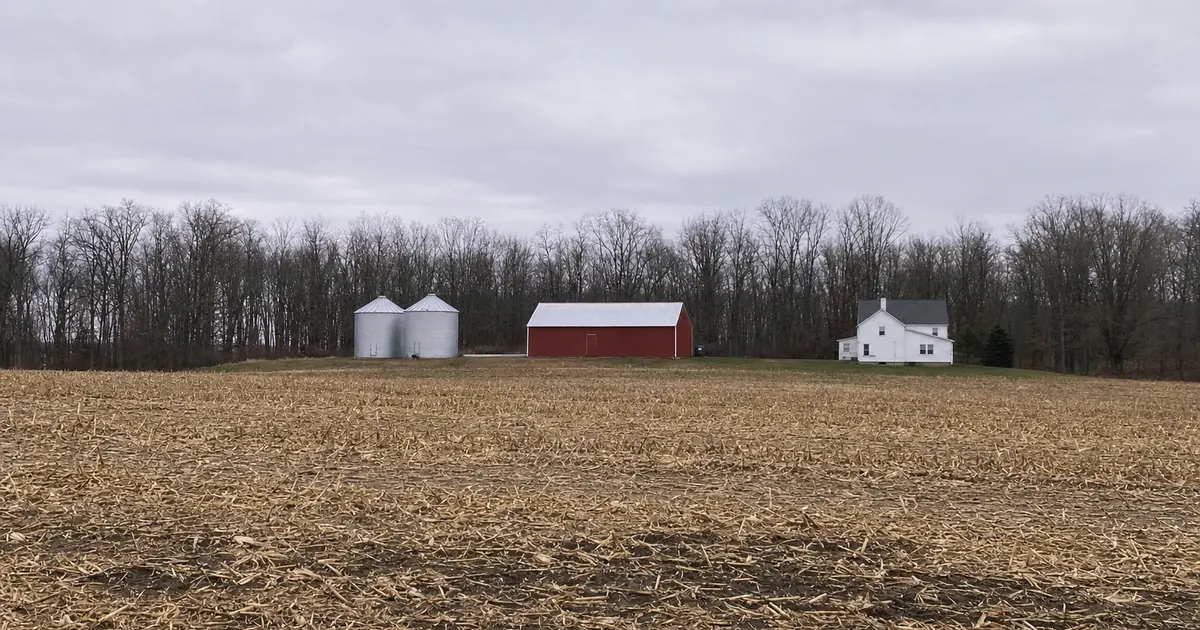
That $7,000 is a National Agricultural Statistics Service number, and the way NASS builds it explains a lot of the gap. Between April and June every year, the agency reaches out to a random sample of roughly 30,000 farm operations across the country. Operators tell NASS what the cropland and pasture they run is worth, and they put an estimated value on the land and buildings of their whole operation. NASS staff go over those reports and then set the estimate for each state.
USDA defines farm real estate value as the price at which all land and buildings used for agricultural production, dwellings included, “could be sold under current market conditions, if allowed to remain on the market for a reasonable amount of time.” In other words, it’s an informed estimate of value, gathered from the people who farm the land.
Most of the confusion comes down to two things. “Farm real estate” covers the buildings, so the barns, the house and the grain bins are all folded into that $7,000. The values NASS collects cover the land and buildings of the whole farm operation. Woodland that’s part of a farm operation can count as land-in-farms in the Census. This report does not publish a separate Michigan hunting-land value, so the statewide average does not price a particular wooded 60 with a creek.
NASS weights its regional and national averages by each state’s cropland and pasture acres from the most recent Census of Agriculture, and it revises non-census-year estimates the following year. So the 2026 figure can still move a little when the 2027 report comes out.
USDA also counts hay land, idle cropland and cropland enrolled in government conservation programs as cropland. A CRP field on a hunting farm is closer to that benchmark than the woods beside it.
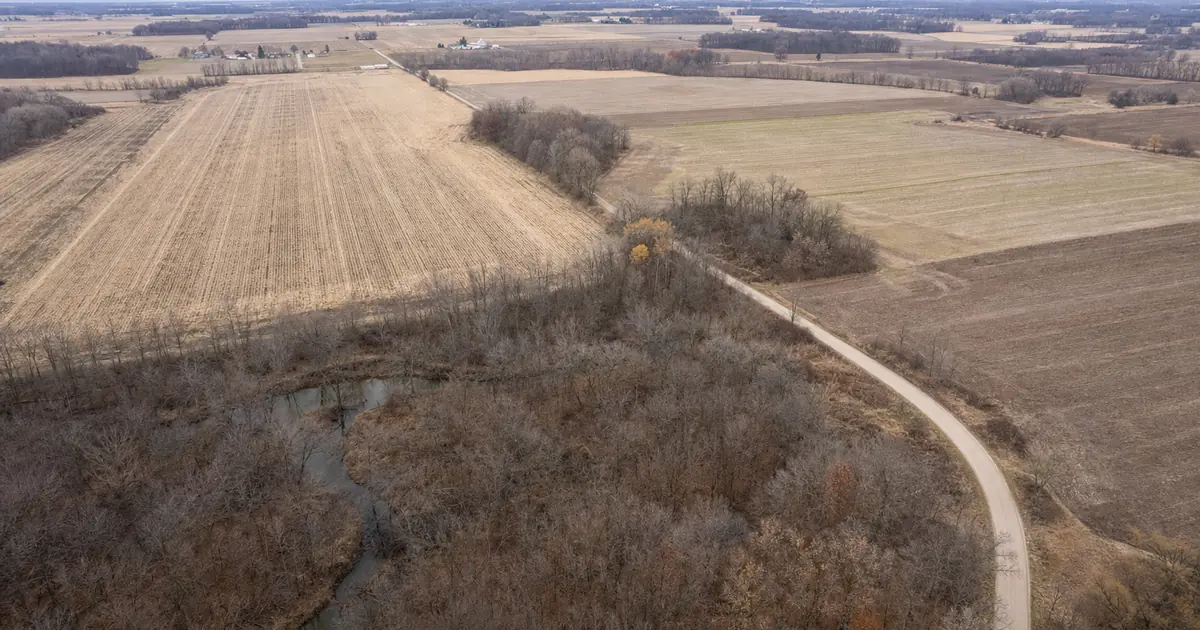
That makes the USDA figure a solid yardstick for farm ground and a rough one for everything else. It’s also an average across 83 counties that run from Lenawee crop ground to Upper Peninsula timber, so no single parcel is “average.”
Why listing asks look higher than USDA
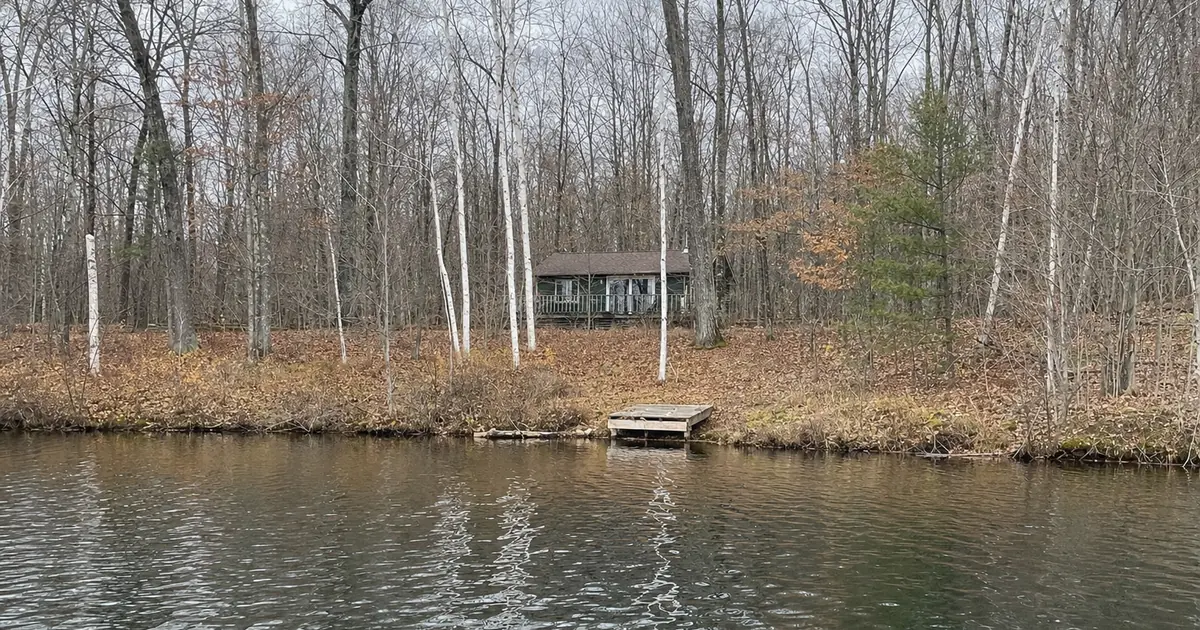
Asking prices come from a different pool. USDA hears from farm operations, while listings reflect whatever owners have put on the market. A group of listings with more small parcels, water frontage or improvements can have a higher per-acre ask. That alone doesn’t show that comparable ground sold for more.
Size can change the arithmetic. In a hypothetical comparison, if a 10-acre wooded lot and a 200-acre timber tract each included the same dollar amount for an improvement, that amount would add more per acre on the smaller lot. That is an example, not a measured Michigan size-price rule.
Frontage and location can also change what a listing set measures. If that set contains lakefront lots or buildable parcels close to town, its asking figure can reflect those features. It would not be a like-for-like comparison with the statewide farm-real-estate average.
Buildings do the same thing. A cabin, a house or a pole barn gets folded into the per-acre math on a listing. Put a hypothetical $150,000 house on 20 acres and the listing’s per-acre figure rises by $7,500 before you count the dirt.
Then there’s the gap between asking and selling. A listing price is the seller’s opening number. Some listings sell below the ask, some come down over time, and some never sell. A median of asking prices tells you what sellers want. It doesn’t tell you what buyers paid.
Timing can change the mix, too. If lower-priced listings sell and leave a particular set while higher asks stay posted, the remaining set’s asking figure can rise even without a price change on any parcel. That is a possible effect, not a finding about Michigan listings.
Where Michigan hunting ground fits
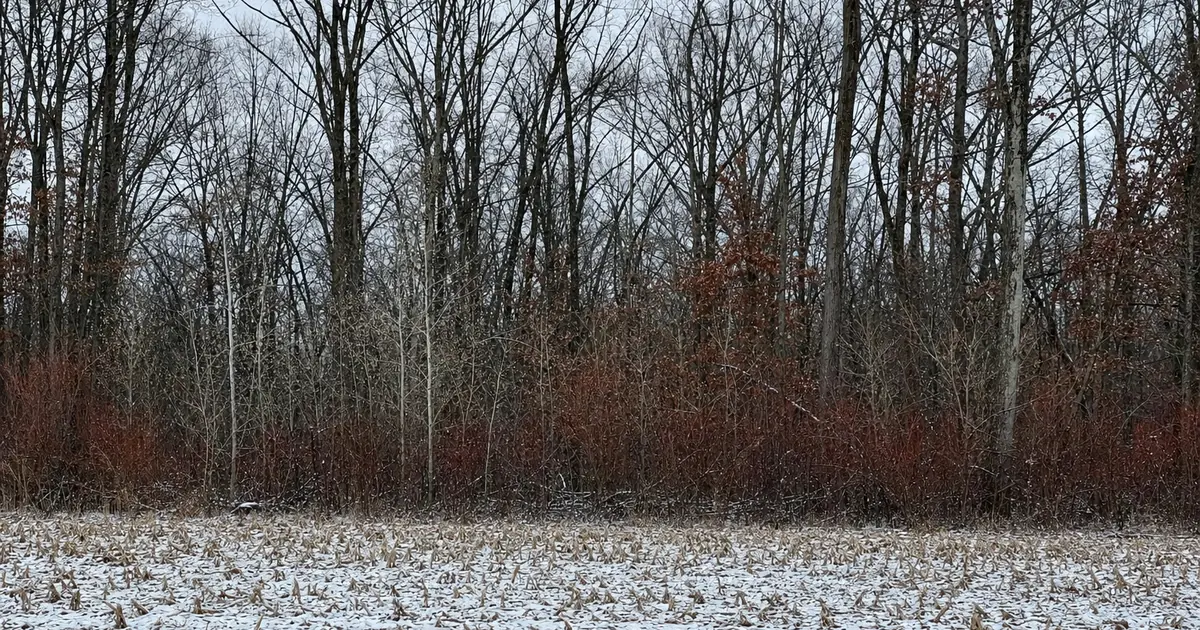
You won’t find a separate Michigan hunting-land value per acre in the NASS Land Values 2026 Summary, either for the state or for individual counties. We’re not going to invent a number to fill that gap in this report.
What you can do is work out which USDA benchmark your ground looks most like. If it’s tillable with good soils, the $6,600 cropland average is the closer comparison, and rough grass or grazing ground sits nearer the $3,200 pasture figure. This NASS report does not give wooded hunting land a separate Michigan value. For a particular parcel, access, timber, water, tillable acres, buildings and size need to be considered alongside closed sales of similar ground.
Program enrollment moves value, too. Land in Michigan’s Commercial Forest Program has to stay open to public foot access for hunting, trapping and fishing, and the DNR says parcels under 10,000 acres must be withdrawn, with a fee and a penalty, if a new owner won’t keep that access. Qualified Forest Program land stays private, and MDARD lets a buyer of enrolled land sign an affidavit that keeps the taxable value capped at the seller’s level. Buyers price both of those details.
Our Michigan land prices per acre in 2026 guide walks through the regional factors that push county prices up or down. For any one parcel, the number that counts is a recent closed sale of similar land in the same county.
Michigan’s 2026 numbers next to its neighbors
Every one of USDA’s Michigan land categories moved up in 2026. Cropland had the biggest gain of the three at 3.9%, pasture rose 3.2%, and the farm real estate average added 2.9% to land at $7,000. Go back to 2022 and that same average was $5,470 an acre.
This year’s bump was a lot smaller than the last few, though. From 2022 through 2025 the Michigan average went up somewhere around $410 to $490 an acre each year, and in 2026 it added $200.
Next to the neighbors, Michigan comes out a little above the $6,890 Lake States average, a little ahead of Minnesota at $6,950 and ahead of Wisconsin at $6,700. Break it out by land type and the picture gets lopsided. Our cropland, at $6,600, trails the $7,240 Lake States cropland figure, but Michigan pasture at $3,200 runs above the region’s pasture average. Cross into Ohio or Indiana and farmland gets a good deal more expensive, with Ohio averaging $9,650 and Indiana $9,150, while the U.S. average came in at $4,500.
If you’re comparing states, our Michigan vs. Ohio hunting land comparison and Michigan vs. Wisconsin guide put those averages next to license costs and hunting rules.
Five questions to ask about any per-acre number
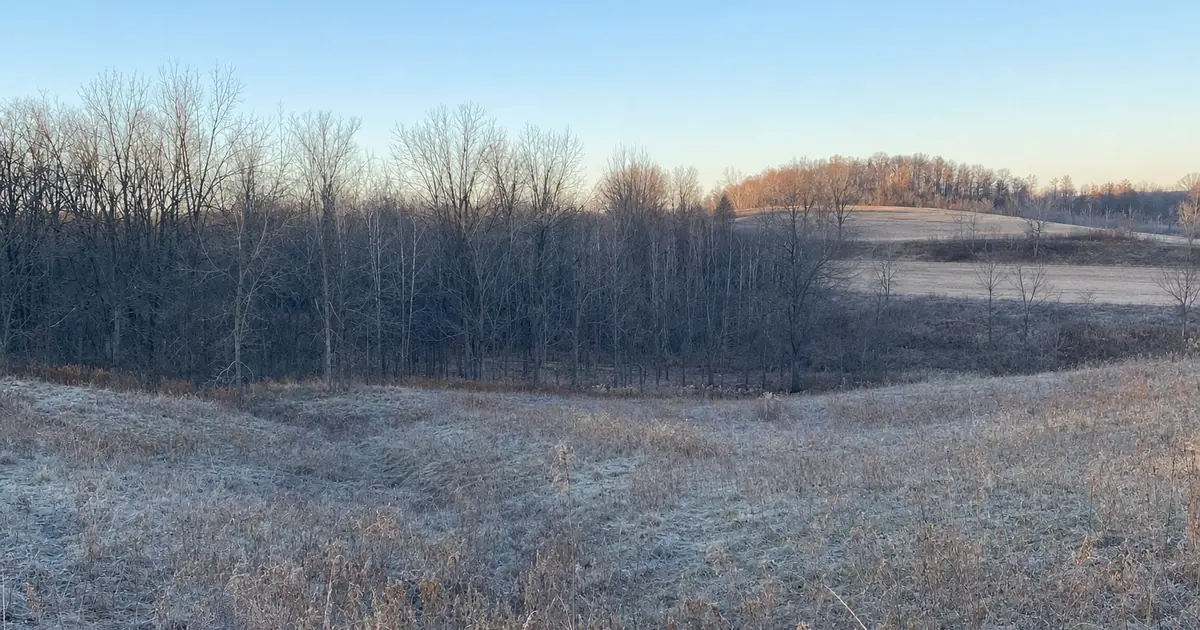
Per-acre figures get tossed around at deer camp, over coffee at the diner in town and all over the internet, and they hardly ever come with the fine print. Before you hang a decision on one, it’s worth running it past five questions.
The first is what kind of number you’re looking at. A closed sale is what a buyer actually paid, USDA’s average is an estimate operators report, and an ask is a seller’s hope, so all three can sit far apart on the same kind of ground without anybody being wrong.
Next, find out whether buildings are in it. USDA’s farm real estate number includes them. So does a listing with a house or cabin, which spreads that value across every acre and can make a 20-acre place with a nice cabin look expensive by the acre.
Size and location go together. Take the hypothetical $150,000 house again: on 20 acres, it adds $7,500 an acre. On 100 acres, it adds $1,500 an acre. That example doesn’t make a pricing rule for every parcel. A statewide average also mixes southern crop ground with northern timber. The county, and the township if you can get it, will tell you far more.
Finally, check the date. USDA’s 2026 figure reflects values reported last spring, and a sale from three years back came out of a different market.
A number that can’t answer most of those is fine for starting a conversation. Keep looking for closed sales before you lean on it.
If you’re selling, price to sales instead of asks
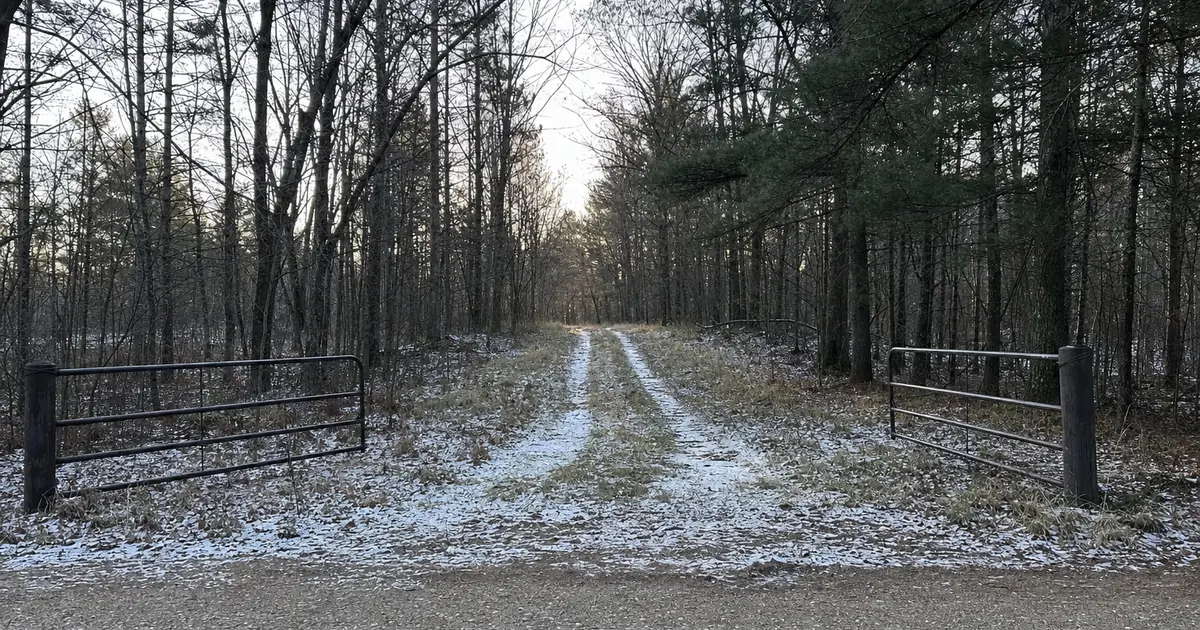
Sellers make the same mistake from the other side. You see a parcel down the road asking far more than USDA’s average, and it’s tempting to price yours to match.
The trouble is that asking prices are other sellers’ hopes. If a nearby listing has sat for months, its ask may be part of why. Set your number from closed sales of land like yours, then adjust for what your land has that those sales didn’t, such as frontage, timber, tillable acres or a cabin.
Our guide to selling hunting land in Michigan goes through pricing, timing and what you’ll actually net.
Additional resources
- USDA NASS: Land Values 2026 Summary (July 31, 2026)
- USDA Economic Research Service: Farmland Value
- USDA NASS: 2022 Census of Agriculture, Michigan state and county data
- Michigan DNR: Commercial Forest Program
- MDARD: Qualified Forest Program
Want a number for your land?
Michigan Whitetail Properties works with buyers and sellers across all 83 Michigan counties. If you’re trying to square a USDA average with the asks you’ve seen, tell us about your property and we’ll talk through what similar land in your county has sold for. If you’d rather talk now, call 517-437-2946.