Should you sell your Michigan hunting land after this season? Make the call while the season is still fresh, then use the winter to act on it. If you read our October piece on what the season is telling you, this is the next step: a scored way to choose between keeping the land, leasing it and selling it.
The numbers leave room to think. USDA NASS pegs Michigan farm real estate at $7,000 an acre this year, up 2.9% from 2025. Michigan Whitetail Properties has been selling Michigan hunting, farm, and recreational land since 1995. Does that number tell you to sell, or to stay? Not really, and that’s the point: you’ve got time to plan.
Key takeaways
- Eight questions about the fall you just had, scored 0 to 2, will lean you toward keeping, leasing or selling.
- Keeping is a real answer. Winter is when access trails, timber work and food plot planning get done.
- A lease can cover part of your costs, but Commercial Forest land can’t be leased for payment.
- If you lean toward selling, write down this season’s deer, stands and access problems before snow covers them.
- Picking a closing date? Run it past a tax advisor first. Dec. 30 and Jan. 2 are in different tax years.
A scored framework, not a gut call

Give each one a 0, 1 or 2 (and don’t grade yourself on a curve).
| # | Question | 0 | 1 | 2 |
|---|---|---|---|---|
| 1 | How many days did you hunt it this season? | 15+ | 6–14 | 5 or fewer |
| 2 | How do you feel about the drive? | Part of the fun | Tolerable | A reason not to go |
| 3 | Who else uses it? | Family, regularly | Occasionally | No one |
| 4 | Has neighbor pressure changed? | No | Somewhat | A lot |
| 5 | Is upkeep getting done? | Yes, gladly | Behind | It’s a burden |
| 6 | Does it fit how you hunt now? | Perfectly | Mostly | Not really |
| 7 | Would freeing the money change your life? | No | Somewhat | Significantly |
| 8 | Is anyone in the family planning to take it on? | Yes | Maybe | No |
How to read it:
- 0–5: The land is earning its place. Keep it and invest in it.
- 6–10: Mixed. A lease or a partial sale may fit better than either extreme. If you’re thinking about selling part of it, ask your township or county what a land division takes before you promise anyone acreage.
- 11–16: The property may no longer fit your life. It’s worth a real look at selling.
If question 8 is a yes or a maybe, read our guide to selling inherited hunting land in Michigan so you know what the next generation could face on probate and property taxes.
The score doesn’t decide. You do. It just puts the decision on paper, where it’s easier to see.
Outcome one: keep and invest
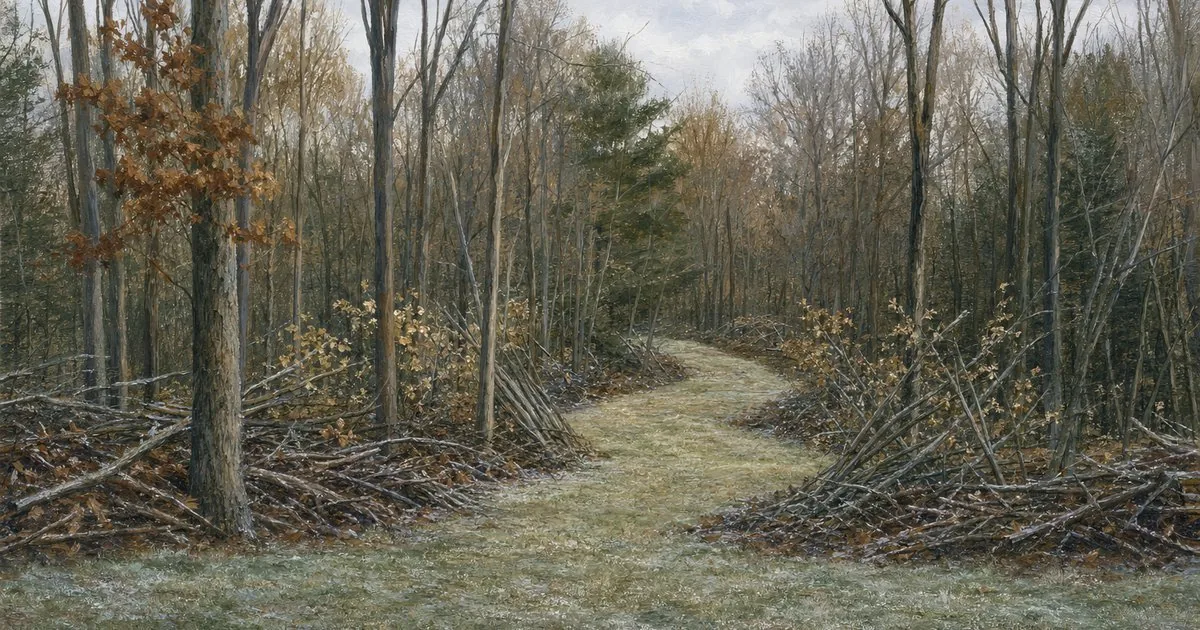
If you’re keeping it, winter is when the work that pays off in fall gets done.
The winter projects worth doing first:
- Access routes. A screened entry trail that doesn’t cross where deer move often does more than a new plot.
- Timber stand improvement. Hinge-cuts and released oaks add cover and food.
- Food plot planning. Soil tests now, planting in spring.
Starting with the license year that begins March 1, 2027, most Lower Peninsula hunters are limited to one buck (a 2027 pilot in five southern counties lets hunters earn a second). With a single buck tag, some hunters may think harder about where they spend it, which is one more reason to keep good records on managed ground. Nobody can promise that shows up in a sale price.
USDA NASS has Michigan farm real estate going from $5,470 an acre in 2022 to $7,000 in 2026. USDA doesn’t report hunting land separately, and past gains aren’t a promise, but land has rewarded owners who could wait.
Outcome two: keep and lease
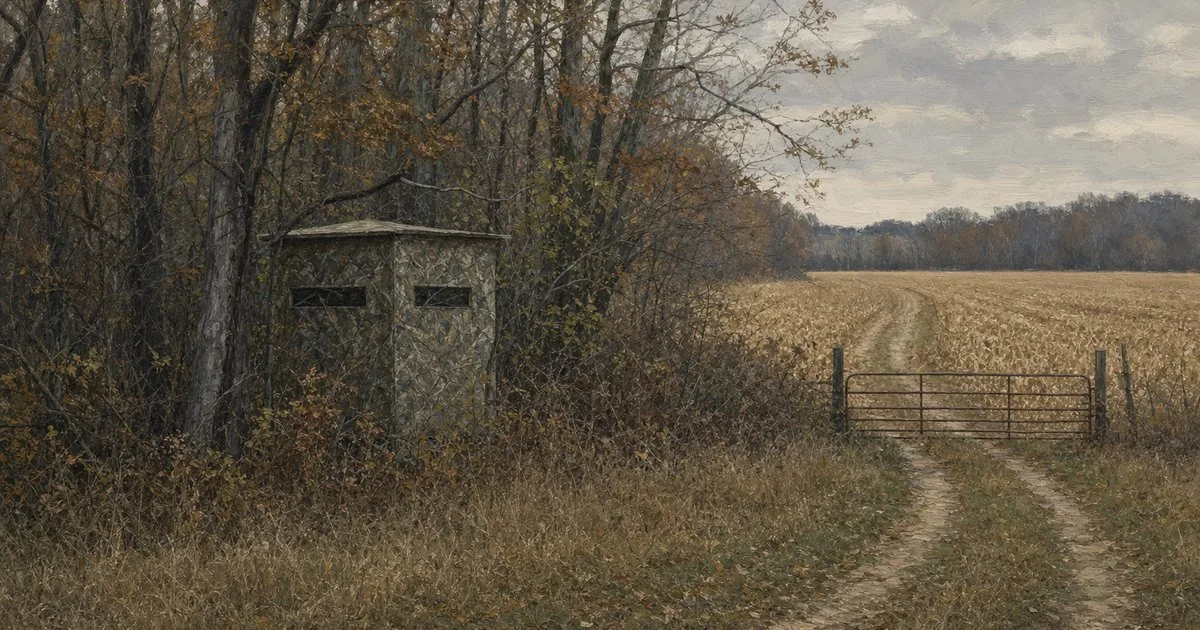
A lease can cover part of your costs and buy time on the bigger decision.
Published hunting-lease listings, which our lease guide walks through, run around $20 to $40 an acre in the south-central Lower Peninsula and closer to $4 to $12 up in the U.P. Deer numbers, access and exclusivity move the rate. Someone else hunts your ground, though, and your liability and paperwork change.
Watch the forest programs. Commercial Forest land can’t be leased for payment. Qualified Forest Program land can, as long as the lease doesn’t break your forest management plan. QFP itself typically needs at least 20 acres and a management plan, and it trades the school operating millage (typically 18 mills) for a 2-mill fee, according to MDARD. The land doesn’t have to be open to the public.
Our hunting lease income guide covers those rates, liability and lease terms, with the sources behind each number.
Outcome three: sell
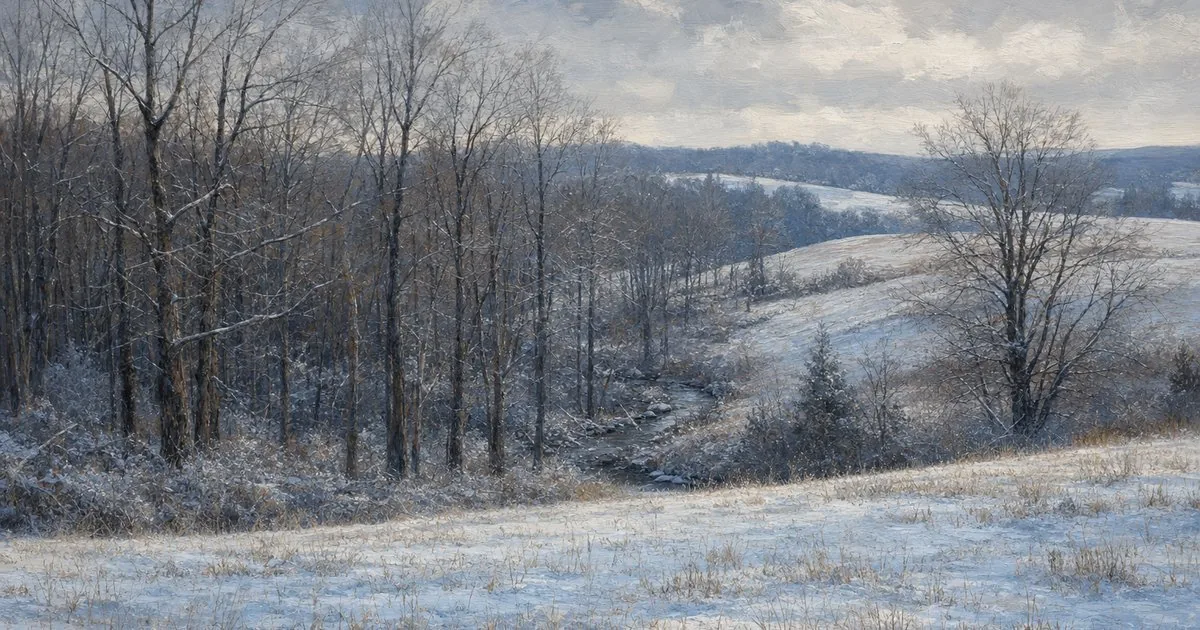
If your score pointed here, timing deserves some thought.
Our reasoning for a winter listing goes like this. A buyer shopping in January is usually planning for next fall and has the whole off-season to plant, hang stands and finish the paperwork. A winter listing also isn’t competing with whatever new inventory spring brings. That’s reasoning, not a promise about how fast any parcel sells.
Document now, before snow:
- This season’s camera photos and harvest records
- Stand locations and what you saw from each
- Access problems, wet spots and the fixes you’ve made
- Forest-program paperwork, your deed and any recorded easements
Decide what stays and what goes with the land, too, before selling your Michigan hunting land. Stands, blinds, cameras and equipment are easier to sort out now than in the middle of a negotiation.
Our guide to selling hunting land in Michigan covers pricing, the timeline and what you’ll actually net. To see what’s listed right now in one Thumb-area county, browse our Lapeer County land listings.
Decide while you remember the season. Use the winter to get ready.
The tax-timing question

A closing on December 30 and a closing on January 2 land in different tax years. Some sellers save real money from that one-week difference, mostly when this year’s income is way above or below normal.
IRS Topic 409 generally treats land you’ve held more than a year as a long-term gain, and the rate on it follows your total taxable income for the year. Owned it a year or less? Then it’s short-term. Ask how your Michigan return treats the gain as well.
This isn’t tax advice. Talk to a tax advisor or Michigan CPA before you set a closing date, and bring your purchase records, improvement costs and an estimate of the sale price.
The 1031 option for investors
Hold the land as an investment and a 1031 like-kind exchange comes into play. It lets you defer the gain by moving the proceeds into other real property you’ll hold for business or investment.
The IRS Instructions for Form 8824 lay out two deadlines for a deferred exchange, and you have to meet both:
- 45 days after you transfer your land to identify the replacement property
- 180 days to receive it, or your tax return due date with extensions if that comes first
Take cash or other non-like-kind property out along the way and, per the IRS real estate tax tips on like-kind exchanges, you’ll generally owe tax on the gain up to that amount. A deferred exchange typically runs through a qualified intermediary, so get one lined up before closing day. Land held mainly for personal recreation may not qualify. Your tax advisor makes that call. Your real estate agent shouldn’t.
Additional resources
- USDA NASS: Land Values 2026 Summary
- IRS: Instructions for Form 8824, Like-Kind Exchanges
- IRS: Like-Kind Exchanges, Real Estate Tax Tips
- IRS: Topic 409, Capital Gains and Losses
- MDARD: Qualified Forest Program
When you’re ready
You don’t have to decide anything today. When you want a number to weigh, tell us about your property. There’s no deadline. If you’d rather talk it through, call 517-437-2946.