Michigan’s 2026 firearm deer season runs November 15 through 30, the same dates in every county. The big difference? Rifles. The DNR got rid of the Limited Firearms Deer Zone on September 12, so a .270 or a .308 is now as legal in Hillsdale as it is in Alpena, and the same goes for anything else that’s a legal firearm. December still has gun hunting after that, though the firearm weekend got trimmed to three days, Friday the 4th through Sunday the 6th, and late antlerless picks up on the 7th and runs to New Year’s Day (Michigan DNR).
Key takeaways
- Opener is Sunday the 15th and you can hunt through the 30th, but rifles can’t go afield for the five days before it.
- Rifles are legal on your southern Michigan ground this year, which changes where you can safely shoot.
- How many universal antlerless tags you can fill depends on your county downstate, or your DMU if you hunt the U.P.
- You’ve got 72 hours to report a deer, less if you hand it to a processor or a buddy first.
- Lower Peninsula hunters get two bucks for the last time this fall.
2026 firearm season dates and hours
 First come five days, Nov. 10 to 14, when most guns have to stay home. After that the regular firearm season opens across the whole state and goes Nov. 15 to 30. Late archery opens Dec. 1 and runs statewide to Jan. 1, and you can bowhunt during the gun weeks too if you wear hunter orange and follow the firearm-season rules. Downstate you can carry any legal firearm on the December weekend, Dec. 4 to 6. Up in the U.P. those same three days are for muzzleloaders only. Then late antlerless firearm runs Dec. 7 to Jan. 1 in the Lower Peninsula, except in DMUs 145 and 245.
Opener is a Sunday this year. Plenty of camps like to sight in on Saturday, and that’s fine on your own property, but the 14th is still a quiet period day for carrying and hauling guns.
Shooting light, legally, starts thirty minutes ahead of sunrise and ends thirty minutes past sunset. Exact minutes shift depending on where you are, and the DNR handles that with one Zone A table plus a map that tells you how many minutes to add, so pull up the hunting hours table and figure your county’s times the night before. In Gogebic, Iron, Dickinson and Menominee counties, which run on Central Time, subtract one more hour.
On licenses, a Michigan resident buys the base license and then picks a single deer tag for $20 or the combo for $40. If you’re coming in from out of state, the base runs $151, and you’d add $20 for a single or $190 for the combo (DNR license fees). New for deer this year, licenses bought in the DNR Hunt Fish app give you the option of digital eHarvest tags, which you validate on your phone right after the kill, even with no cell signal. And yes, you need hunter orange on during firearm seasons.
Don’t forget the harvest report. The clock is 72 hours, but if the deer changes hands sooner, you report before it does. Miss it and you’re looking at a civil infraction, with a fine that can go as high as $150 according to the DNR’s reporting rules.
The Limited Firearms Zone is gone: what it means
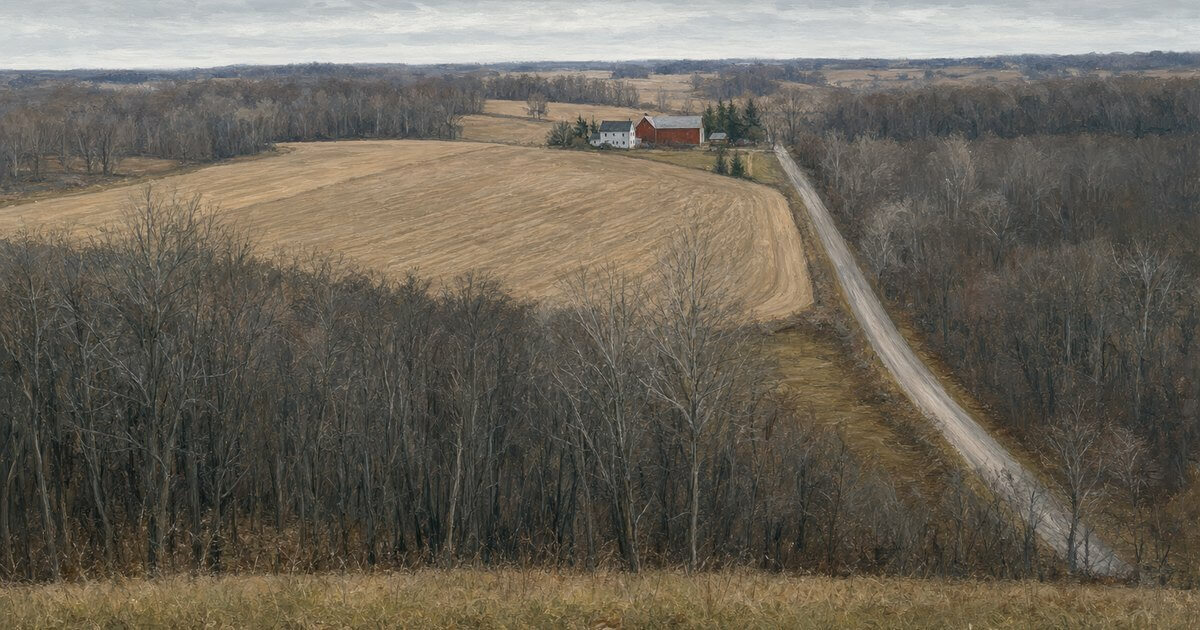 For years a line across the Lower Peninsula kept rifles out of southern Michigan. Hunters south of it carried shotguns, muzzleloaders, handguns and straight-wall cartridges.
That line stopped existing on September 12, 2026. The DNR’s 2026 rules allow all legal firearms across the former Limited Firearms Deer Zone, and our breakdown of the rifle line elimination covers how it happened.
Anyone who has hunted Branch or Lenawee County knows what the ground looks like down there: forty acres of hardwoods, a bean field, a farmhouse, another woodlot. You’re closer to homes and roads than you’d ever be in Roscommon, and a rifle bullet keeps going a long way past where a slug would have dropped. So think hard about where each stand sits, which way it faces, and what’s behind every deer you’d shoot from it.
If your land sits in the old zone, the rules on your own property are different this fall. Walk your shooting lanes again with a rifle’s reach in mind.
Michigan’s 150-yard safety zone still applies. Nobody can hunt with a gun, or shoot at game, within 150 yards of an occupied building, house or cabin, or of any barn or other farm building, without the written permission of the owner or occupant (DNR safety zones). With a rifle, that 150 yards is the minimum, and on most small farms you’ll want more.
Antlerless licensing in 2026
 The DNR sets universal antlerless license use limits by county in the Lower Peninsula and by DMU in the Upper Peninsula. A use limit caps how many universal antlerless licenses one hunter can fill in that area. The 2026 Lower Peninsula limits on the DNR use-limit list are:
- Three: Monroe, oddly enough, sits with a block of northern counties here, from Emmet and Cheboygan at the tip down through Charlevoix, Antrim, Leelanau, Benzie, Grand Traverse, Kalkaska, Otsego, Crawford, Roscommon, Wexford and Lake
- Four: Oceana, Clare and Gladwin
- Five: this is where most of southern Michigan lands. Hunt in Hillsdale, Branch, Lenawee or Jackson? Five. Same for Calhoun, Kalamazoo, Barry, Allegan, Ingham, Livingston, Washtenaw and Lapeer, plus a long list of others on the DNR page
- Ten: two clusters get this one. On the west side it’s Kent, Ionia, Montcalm, Mecosta and Newaygo, and over in the northeast it’s Alcona, Alpena, Montmorency, Oscoda and Presque Isle
In the U.P., the antlerless access permit drawing is gone. A universal antlerless tag in the U.P. is good in only six DMUs. You get one in 022, two apiece in 121, 122, 155 and 255, and five in 055, at $20 per tag.
Check the list for your county before you buy. Every other 2026 change is in our 2026 to 2027 regulation guide.
The five-day quiet period and pre-season preparation
 From November 10 to 14 you can’t carry afield or transport any rifle, rimfire included, or a shotgun if you have buckshot, slugs, ball loads or cut shells with you. You can still take a properly transported firearm to deer camp or a range, and you can target shoot on your own property as long as you aren’t trying to take game (DNR quiet period rules). Our quiet period explainer goes deeper.
That week is good for the jobs a landowner keeps putting off:
- Post your boundaries. Under MCL 324.73102, a posting sign has to be 50 square inches or bigger, the lettering at least an inch high, and you need enough of them that someone can see one from any spot where they’d walk in.
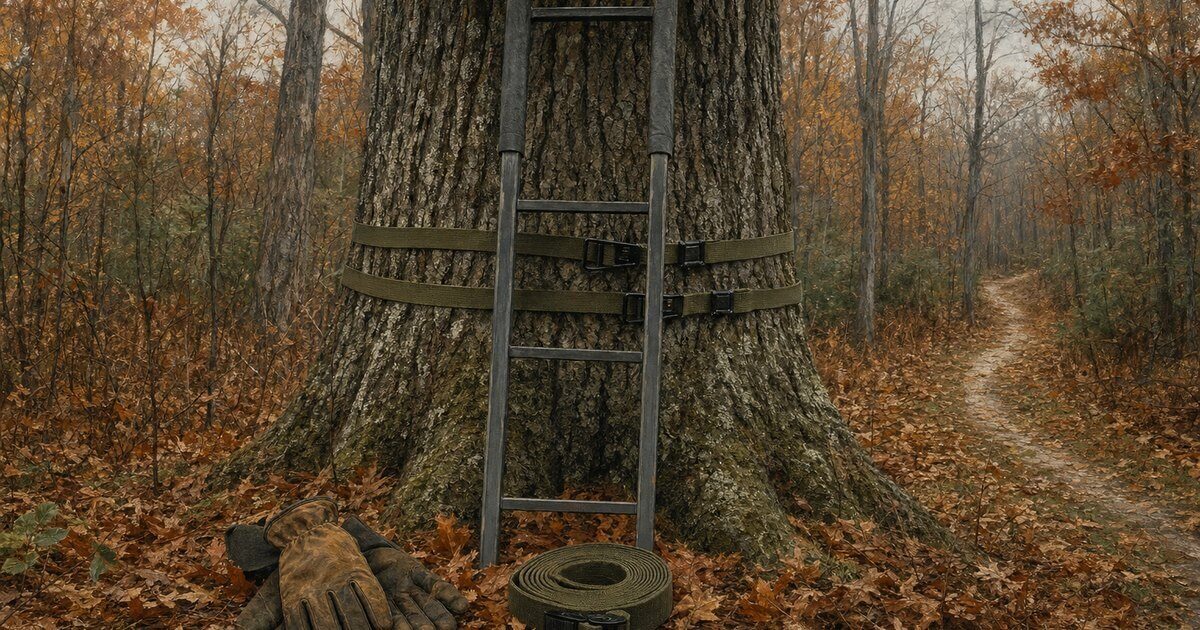
- Check stands and blinds. Straps that hung in the sun since spring can go brittle, so tug on every strap, ladder section and anchor before you trust it.
- Walk your entry routes now so nobody is figuring them out in the dark on the 15th.
- Put permission in writing for every guest who hunts your ground.
Managing neighbor pressure during the two busiest weeks
 Opening week puts a lot of orange in the Michigan woods, and small parcels feel it first.
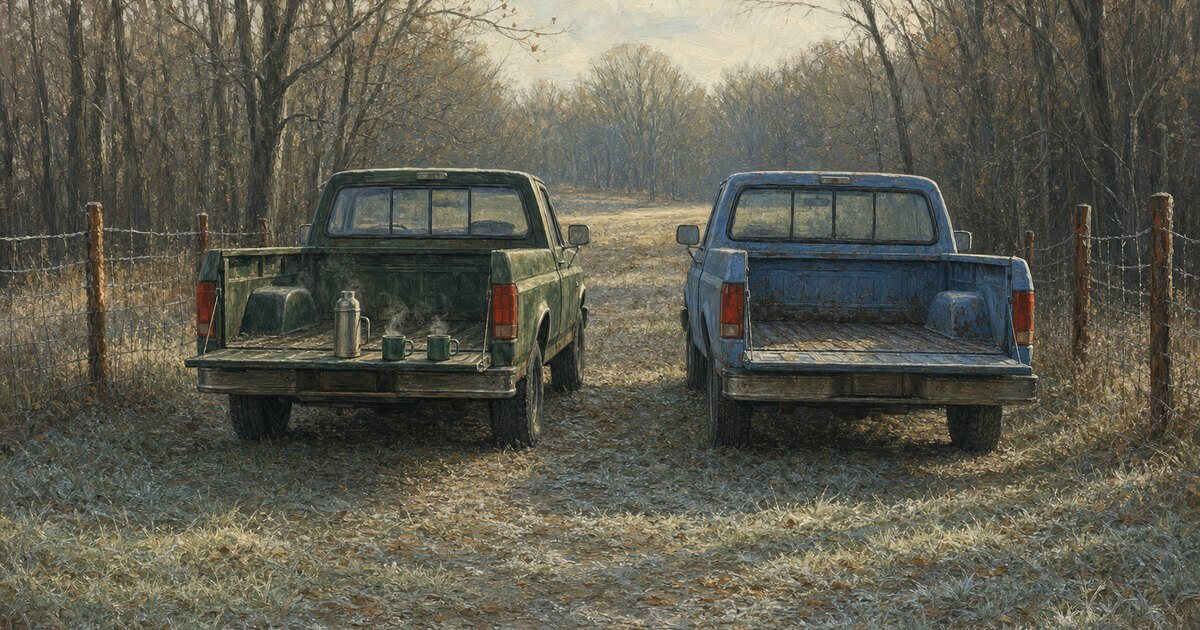
The best fix we know costs nothing. Before the 15th, catch your neighbors and sort out who sits where, which way their stands point, and what everybody does if a deer goes over the fence. Five minutes on a tailgate heads off most of the arguments we hear about in December.
Know the wounded-deer rule, too. If a deer you hit runs onto private land, you have no legal right to follow it without the landowner’s permission, and going in anyway can bring a trespassing charge (Michigan DNR). Swap phone numbers with the people next door so a recovery is a quick call.
What rifle legality does to southern Michigan land value
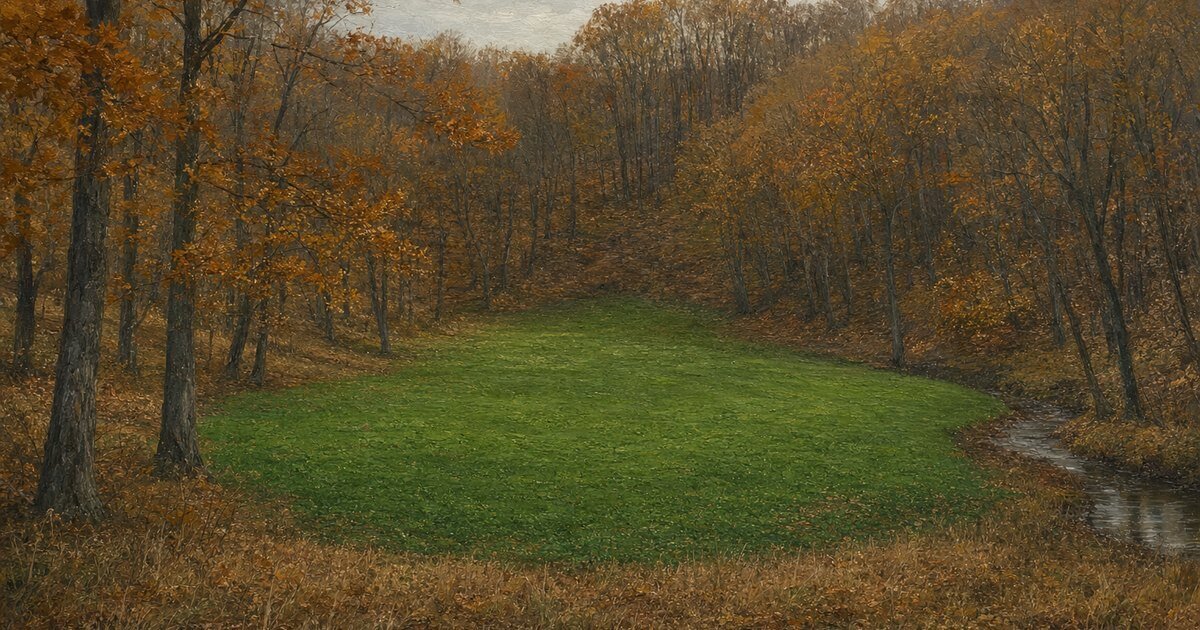 The rifle change doesn’t move every parcel the same way. From where we sit at Michigan Whitetail Properties, it shifts which features of a property carry weight with the hunters who will want it next.
Features that gain:
- Shape and depth. Square or deep parcels leave room for safe shooting lanes, and long narrow strips don’t.
- Interior openings. Fields, plots and cut lanes set well back from the property line.
- Topography. Ridges and hollows give natural backstops.
Features that lose some cover:
- Small parcels bordered by heavy pressure. A neighbor with a rifle reaches farther across the fence than one with a shotgun did.
- Open ground with houses behind it. Usable shooting angles shrink.
If you own land in the old zone and plan to sell in the next year or two, write down your safe shooting lanes and interior openings this season. Those details are worth showing a hunter now. Owners in Hillsdale and the other southern counties can see what is listed around them on our Hillsdale County land page.
The rifle didn’t change how many deer a southern Michigan property holds. It changed how much of that property you can hunt.
What’s coming in 2027
 This is the last Michigan firearm season with two bucks allowed in the Lower Peninsula.
Starting with the license year that begins March 1, 2027, Lower Peninsula hunters are limited to one buck. The Upper Peninsula stays as it is.
The earn-a-second-buck pilot starts with the 2027 to 2028 season in Barry, Hillsdale, Ingham, Kalamazoo and Lapeer counties. It is not in effect this fall. Hunters who take and report an antlerless deer in one of those counties will be able to buy a bonus buck tag that’s good only there. The NRC approved the prices in August 2026: a $40 package for residents and nonresidents ($28 for resident seniors), and a bonus tag at $20 for residents or $170 for nonresidents. Our earn-a-second-buck guide walks through how the pilot will work once it starts.
Ready to look at land? Want ground in place before the rules change? See hunting land available now on our hunting land page.
Additional resources
- Michigan DNR: 2026 Deer Hunting Regulations Summary
- Michigan DNR: Hunting season calendar
- Michigan DNR: NRC approves deer regulation changes for 2026 and 2027 (May 15, 2026)
- Michigan Legislature: MCL 324.73102 (recreational trespass)
- Michigan DNR: Wildlife Conservation Order Amendment No. 7 of 2026 (earn-a-second-buck pilot)