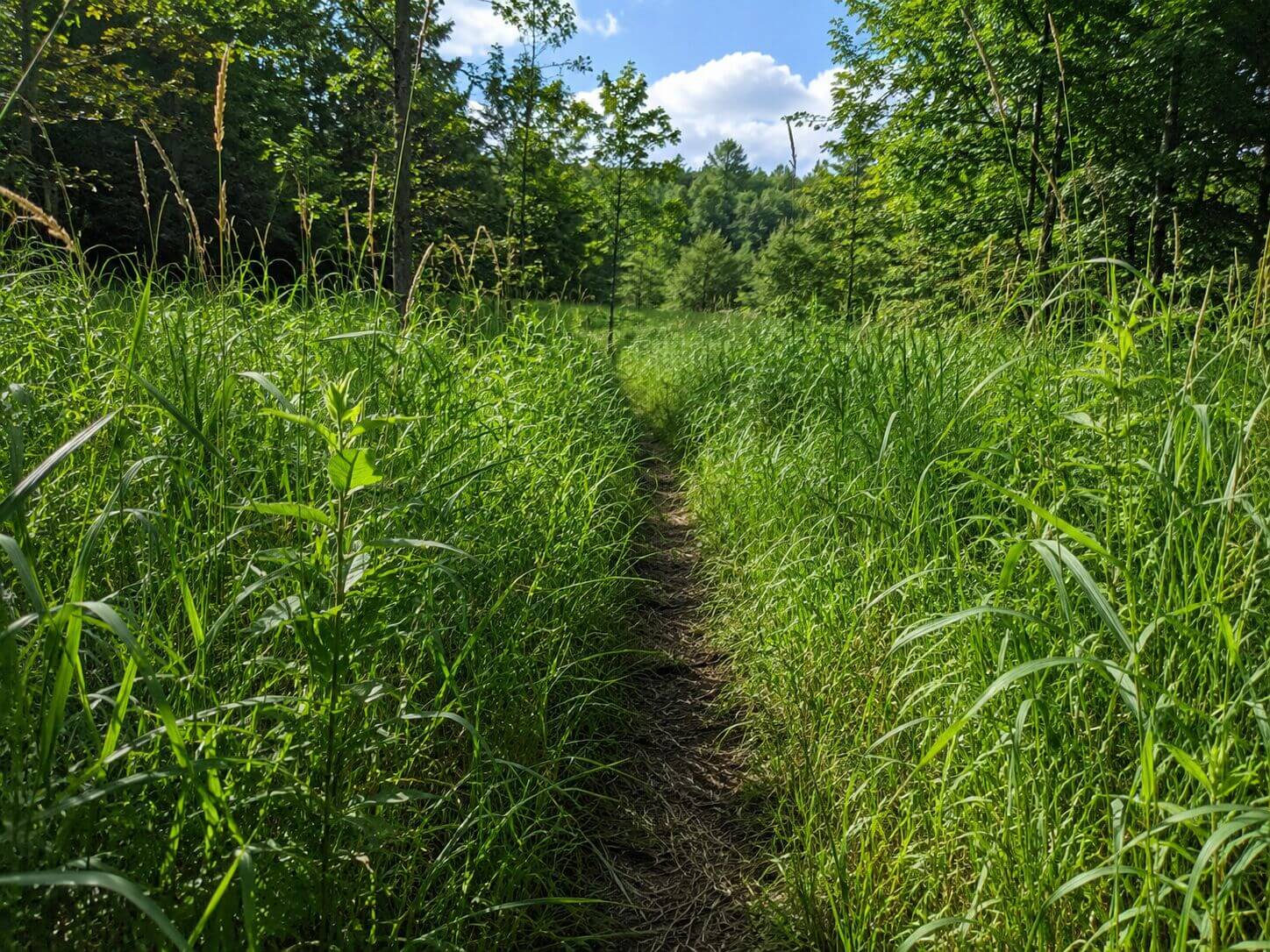
 Summer is the best time to buy hunting land in Michigan because buyer competition drops significantly after June 1, motivated sellers remain active, and you can evaluate the full habitat value of a property while the foliage is out. Michigan Whitetail Properties has been helping buyers find and close on Michigan hunting land since 1995, and the pattern is consistent: buyers who act in summer get better properties, better prices, and better outcomes than the ones who wait for fall. Michigan hunting land listings in northern counties average 90–120 days on market. A property that hits the market in May is ready to negotiate on in June. If you close by July 15, you have enough time to plant food plots, hang stands, and grid-walk your new property before archery opener on October 1. Waiting until September means competing against every hunter who suddenly realized the same thing.
Here’s a conversation we have every fall at Michigan Whitetail Properties. Buyer calls in October, wants to see a property we’ve had listed since April. Turns out someone else tied it up in August and closed in 27 days. The caller says he’d been “waiting to see what was out there.” Now he’s heading to public land again.
Summer feels like the wrong time to think about hunting. The rut is five months away. But that’s exactly why it’s the right time to buy.
Less Competition Means More Leverage
In the Michigan hunting land market, the fall buyer pool swells hard. September and October bring emotional buyers — hunters who suddenly realize they need their own ground before the season they’re already mentally in. Those buyers overpay. They rush due diligence. They waive contingencies. June and July buyers aren’t emotional. They’re strategic. Sellers know the difference.
According to the 2025 MSU Extension Michigan Land Values report, rural hunting land in northern LP counties averaged $1,850–$3,400 per acre depending on timber quality, access, and habitat features. A buyer negotiating in summer — when a listing has been sitting 60–90 days — regularly achieves 5–10% below asking price. A fall buyer on a fresh listing? Full price or more.
The summer buyer also brings something the fall buyer can’t: patience. You’re not up against the clock of opening weekend. That leverage is real, and experienced agents at michiganwhitetailproperties.com use it to your advantage.
You Can Actually See What You’re Buying
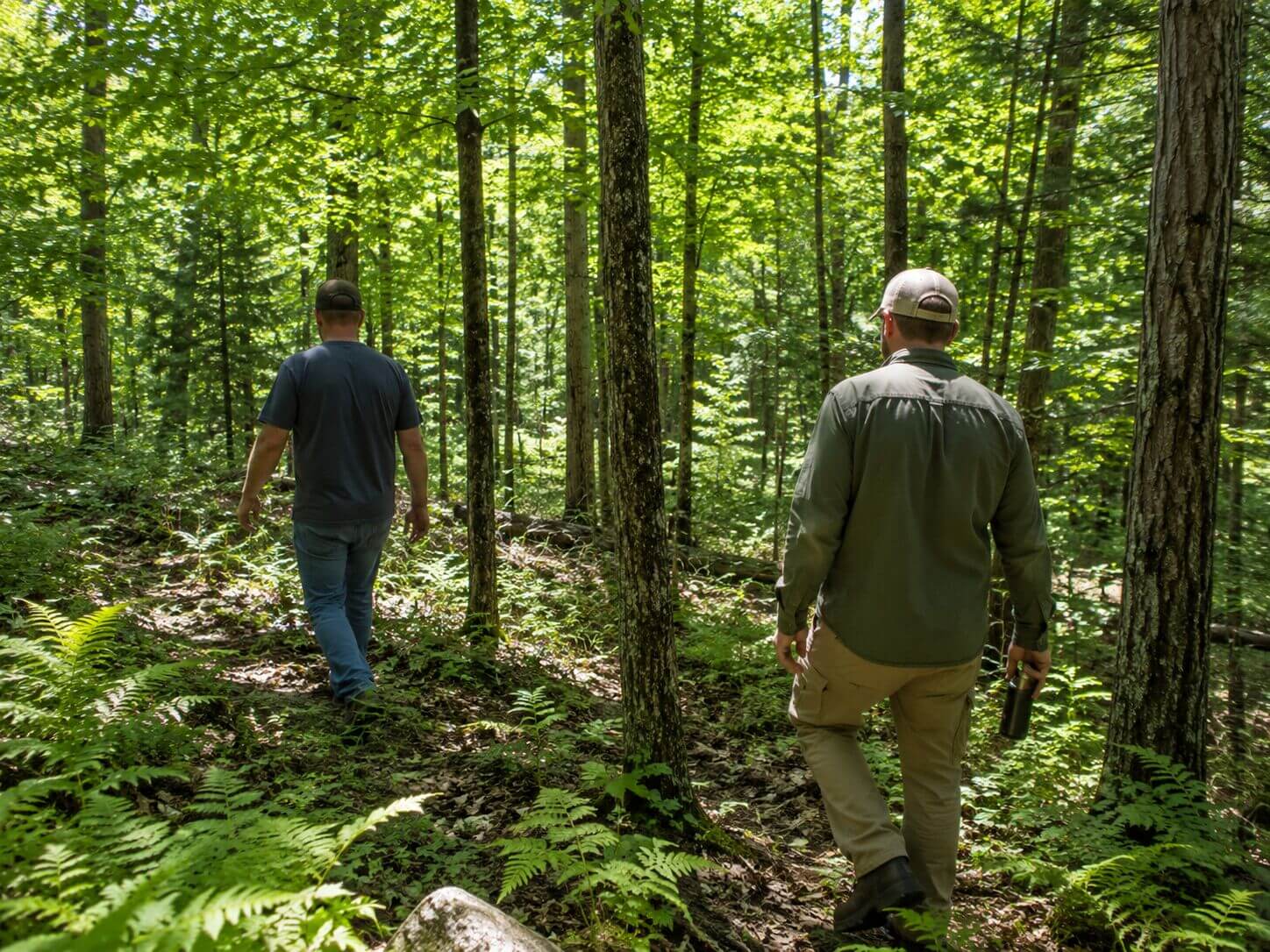 Walk a 40-acre mixed hardwood parcel in January and you see trees. Walk it in late June and you see everything. The water sources are running. The mast trees are leafed out — you can identify every white oak and red oak on the property. The creek bottoms show where deer travel between bedding and feeding. Food plot clearings reveal their sunlight exposure and soil quality. Dense bedding cover — cedar swamps, tag alder thickets, young aspen — is obvious and distinct from the surrounding timber.
Things visible in summer that disappear in other seasons:
- Active water sources — springs, seeps, and creek flow you can’t assess from frozen ground
- Mast tree species and density — white oak and red oak are the backbone of any Michigan deer property
- Bedding cover quality — the thick cedar and tag alder that hold deer all day
- Worn deer trails — obvious in early summer grass, invisible after leaf fall
- Food plot clearing potential — you can see sunlight, tree canopy gaps, and drainage in one walk
We tell every buyer: you understand the habitat in summer. You understand the property in winter. Don’t confuse them.
The Timeline Math Is Unforgiving
Michigan archery deer season opens October 1. That’s a hard date, and whether you hunt your own ground this fall depends entirely on when you close. Here’s how it pencils out:
- Close by July 1 — Time to plant summer food plots (buckwheat, brassicas), hang all your stands, run trail cameras from day one
- Close by July 15 — Still time for late-summer plots (turnips, radishes) and full stand placement before archery opener
- Close by August 15 — Squeezed on food plots; stands are rushed; you’re hunting unfamiliar ground with incomplete intel
- Close after September 1 — You’re going in blind opening day. Most of these buyers call us the following June and say they should have moved faster.
A Michigan land sale with motivated parties and pre-approved financing can close in 30–45 days from accepted offer. Cash moves in 14–21 days. The window you think you have in August is half the size it looks.
Motivated Sellers Are Active All Summer
Michigan landowners sell for reasons, not seasons. Estate situations, divorce, job relocation, financial planning — life events don’t schedule themselves around the rut. Properties that hit the market in April and May are often listed by sellers who need to close this calendar year. By summer, if they haven’t found a buyer, motivation has increased — not decreased.
According to Michigan Association of Realtors data on rural properties over 20 acres, the median list-to-close timeline is approximately 112 days. A property listed May 1 is prime for summer negotiation. A buyer who engages in June is working with a seller who’s had the listing sit through the peak spring season without finding a taker.
That’s leverage. And it’s available exclusively to the buyer who shows up in June or July.
The Best Listings Don’t Make It to Fall
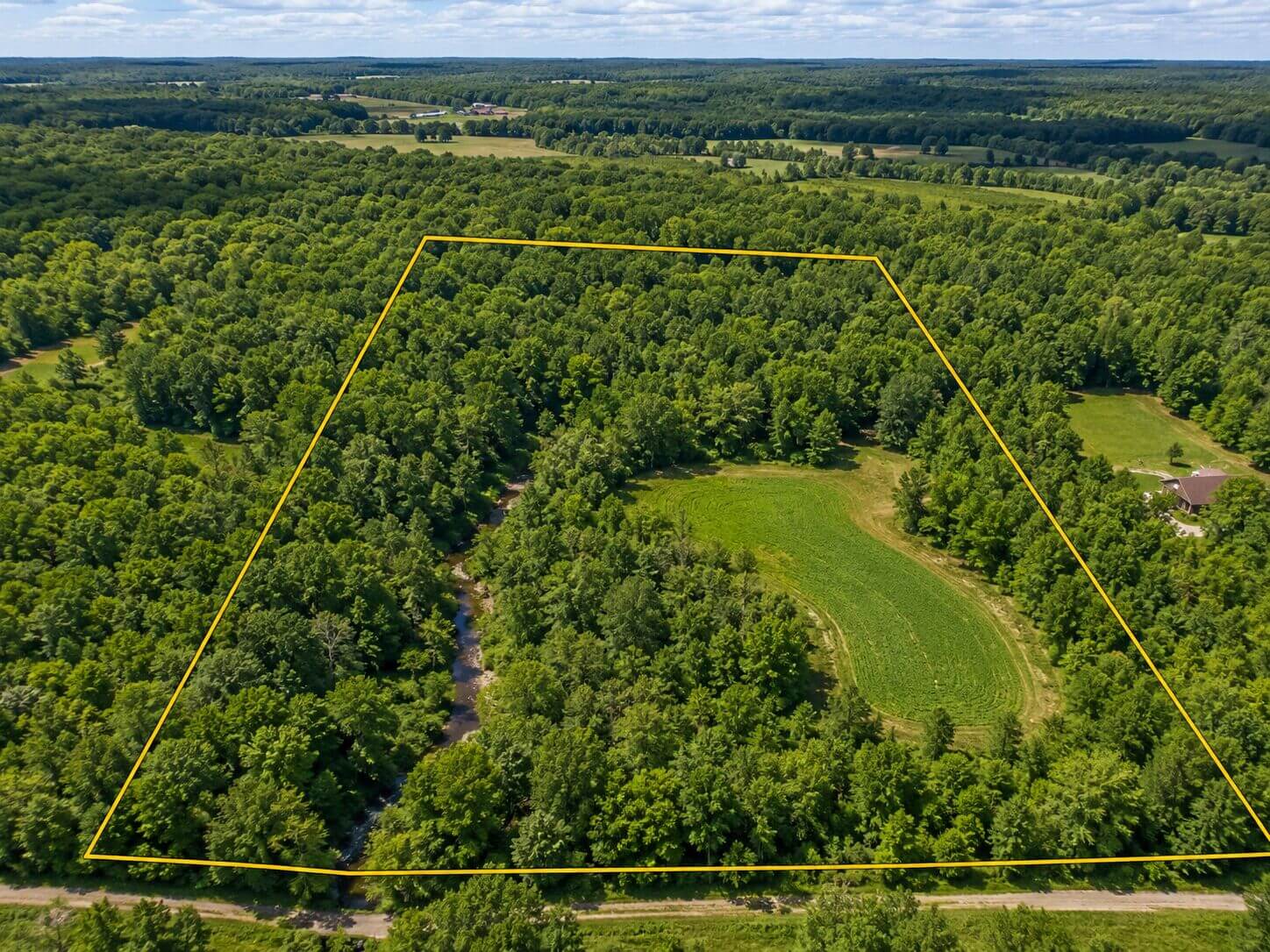 Every year, a handful of buyers call us in early October and ask the same question: “What’s the best property you have available right now?” The honest answer: the best stuff was picked up in June and July.
Premium properties in Oscoda, Montmorency, and Otsego counties — the ones with established food plots, creek bottom frontage, and state forest adjacency — rarely survive September. Buyers who walk those properties in July get them. Buyers who wait get what’s left.
If you’re serious about owning your own Michigan hunting ground before this fall’s season, the time to move is now, not when the leaves change.