Rough season on your own ground? Usually the cause is how you get in and out, pressure from around you, cover, or food. The way to evaluate hunting property after the season is to sort what you saw into those four buckets before you spend a dollar, and fix the cheapest one first. You’ve still got a little time, too. According to the DNR’s 2026 deer regulations summary as of Nov. 2026, late archery stays open statewide through Jan. 1 and late antlerless firearm runs Dec. 7 through Jan. 1 across most of the Lower Peninsula, but no Michigan deer season is open after Jan. 1.
Keep taking notes through the late season and save the cutting, planting and stand moves for when the woods go quiet.
Key takeaways
- What you saw goes into four piles, access, pressure, cover or food, and deer that only show up on camera after dark usually point to the first two.
- Rifles have been legal across the whole Lower Peninsula since Sept. 12, 2026. Watch what that did on small, open parcels, but don’t call it the cause yet.
- Get every sit, camera highlight and harvest on paper now, while you still remember what the wind did and when.
- DNR guidelines say woodlots, brush and streamside cover can shelter deer through most winters in southern Michigan, and up north conifer cover counts for more.
- A forester or an NRCS conservation planner will walk the land with you, and NRCS technical assistance is free.
Sort the season into four causes
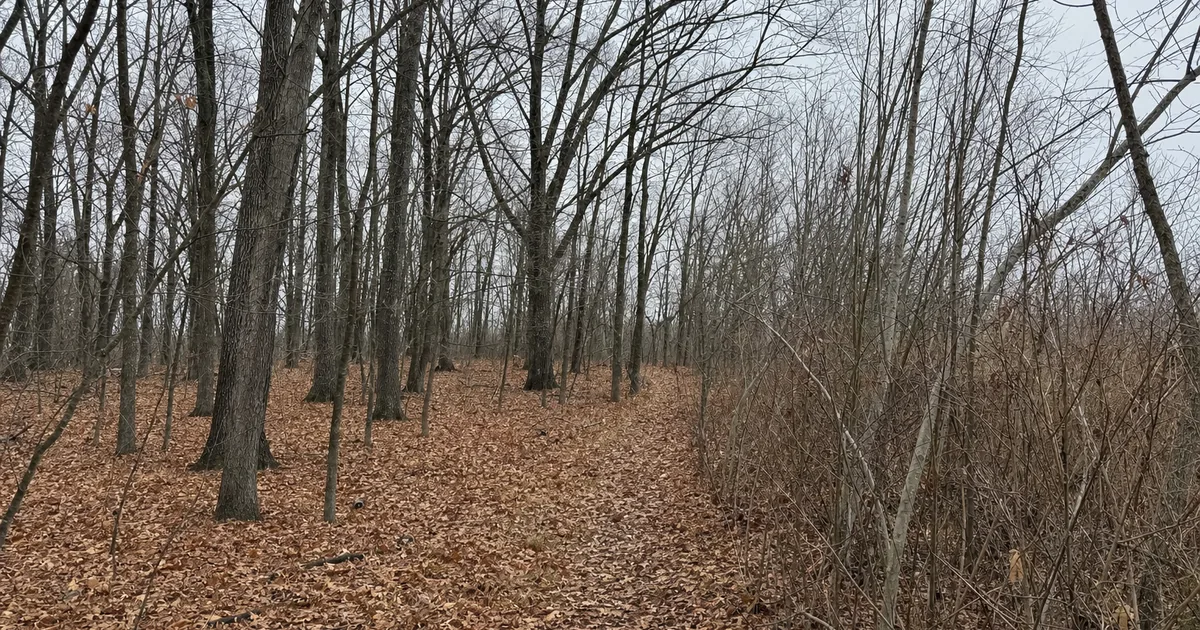
Start with what you saw this fall, not what you expected.
Access trouble looks like this. Deer show up on camera at night and hardly ever in daylight, sightings fall off after your first few sits, or you hear them blow and crash off while you’re walking in. Sound familiar? Then look hard at your route to the stand.
Pressure shows up differently. Maybe early-season movement looked good and then fell apart after opening day. Maybe you heard a lot of shooting along the property line, or a neighbor hunted differently this year.
With a cover problem, deer pass through your land but don’t bed on it. Walk the woods and they’re open under the canopy, with little brush or young growth at deer height, and deer seem to leave once the leaves drop. That’s a travel route.
Food is the likely culprit if you had deer in October and they were gone by December. The crops nearby came off and the deer went with them. When nothing on your ground stays green or standing into late fall, they’ll feed somewhere else.
Most properties show more than one of these. We’d fix access and pressure first, since those mostly cost time and planning. Cover and food are slower and need equipment, seed and a growing season to show a change.
The 2026 variable: rifles across the Lower Peninsula
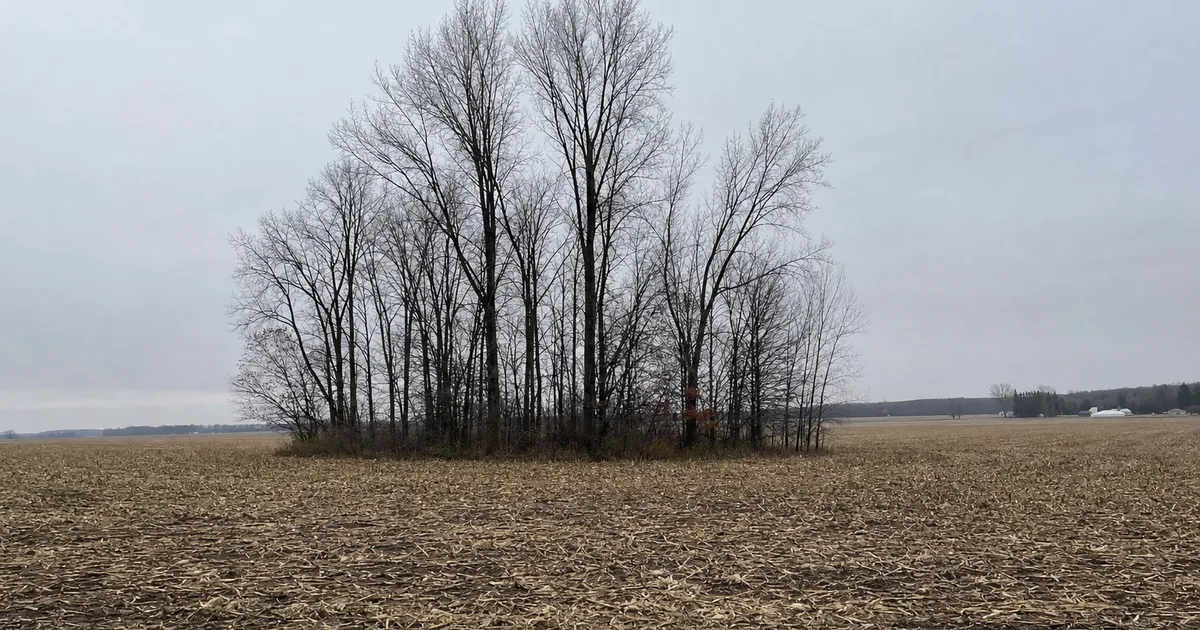
This was the first season without the Limited Firearms Zone. Since Sept. 12, 2026, the DNR says, all legal firearms can be used anywhere in the Lower Peninsula, which in southern farm country put rifles on parcels that used to see only shotguns, muzzleloaders and straight-wall cartridges.
Did that change how deer moved? We haven’t seen published DNR data on it, so don’t pin a bad season on it alone. It’s still worth watching on small, open parcels, where a field edge deer used to treat as safe may now be in range of a neighbor’s stand. If daylight movement along your open edges dropped after Nov. 15, write it down as a question.
A few steps help either way. Put screening along the edges deer cross, keep a middle area nobody hunts, and talk with the neighbors about where their stands face and where shots go. For reading the parcels around you, see our guide to evaluating neighbor pressure on Michigan hunting land.
Write it down before the details fade

Notes from mid-November are hard to rebuild in February, and one line per sit does the job:
| Date | Stand | Wind | Deer seen (time, direction) | Pressure events | Access notes |
|---|---|---|---|---|---|
| Nov. 15 | Ridge stand | NW | 2 does, 7:40 a.m., east to west | Shots to the south, 7:05 a.m. | Bumped deer on the entry trail |
Jot down camera highlights with dates and any deer you took, plus anything that changed next door, like a new house, a woodlot that got logged or a field that got harvested. Deer harvest reporting is mandatory in Michigan, so your filed reports already belong in that record.
Don’t stop logging when the regular season closes, because December sits tell you the most about late food and cover. If you’re out for the December firearm season, Dec. 4–6 in the Lower Peninsula, watch where deer move after two weeks of regular-season pressure.
Cover fixes to plan this winter
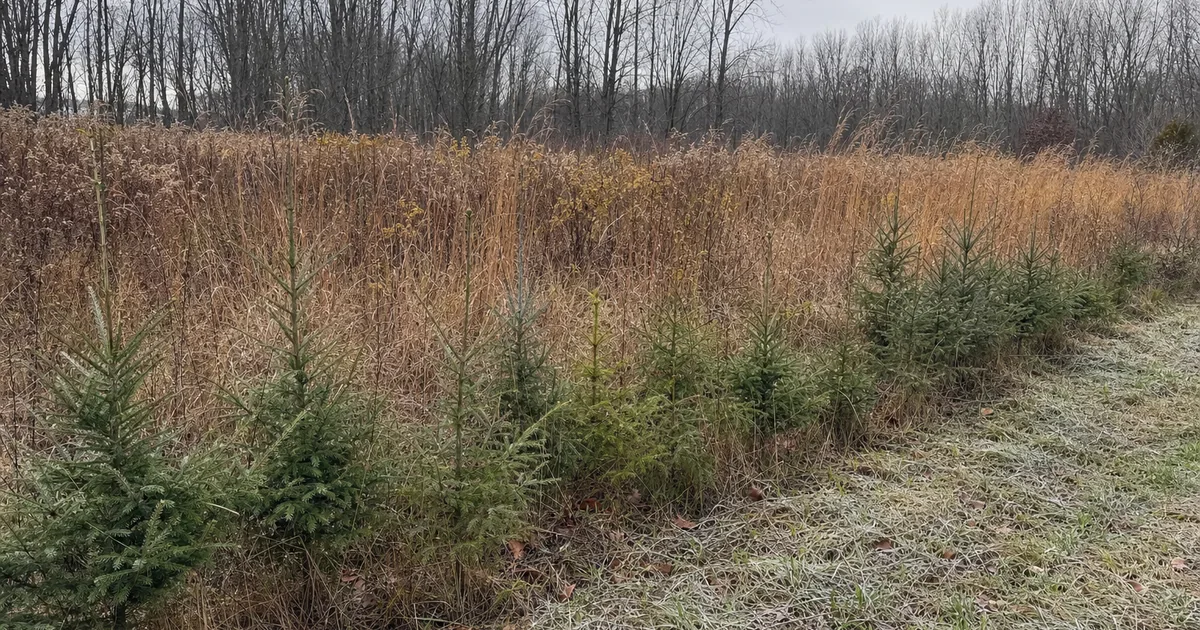
Michigan’s north and south split hardest on cover. The DNR’s white-tailed deer landscape habitat management guidelines (2017) put most of the southern Lower Peninsula in “resident” deer range. Winters there are mild enough that deer can use woodlots, streamside corridors or just about any clump of shrubs or trees for shelter. The same guidelines warn that deer in heavily farmed areas with no winter shelter are the first to show poor condition and higher winter losses.
Down south, the fix isn’t complicated. Hang on to the woodlots and brushy spots you have, protect the cover along creeks and ditches, and plant shrubs and trees where deer have nowhere to hide.
Most of the northern Lower Peninsula is “conditional” range, meaning deer move to winter cover once the snow gets deep. There the DNR counts a conifer stand as functional winter shelter when it has at least 50% conifer canopy closure and trees taller than 30 feet. Cedar and hemlock make the best shelter. They’re also a favorite winter browse, so once they’re cut they’re hard to get back. Got some? Keep them.
Our field guide to the land features that increase deer density goes into how cover, food and water fit together on one property.
Food fixes that fit Lower Peninsula rules
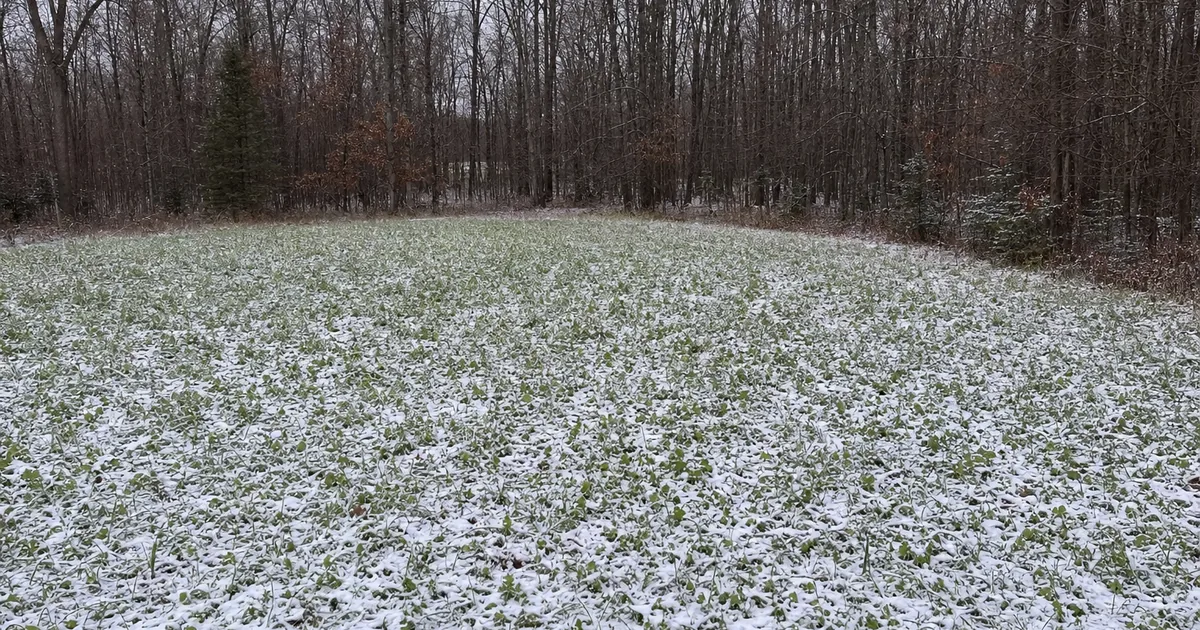
In the Lower Peninsula you can’t bait at all, on public or private land. The DNR doesn’t count food plots on private land, standing crops or food left behind by normal farming practices as bait, so that’s what you get to work with. Food plots aren’t allowed on public land.
Did your deer leave when the neighbor’s crops came off? A plot that’s still green in December, or a strip of standing grain close to cover, can hold deer longer than a summer plot that’s played out by November. Our Michigan food plot planting guide covers what to plant and when.
Before you buy any seed, test the soil. For food plots, MSU Extension’s experts point to the general commercial soil test, with a code added for what you plan to plant. Extension educators can help with site preparation, too. On woodlots, the DNR guidelines add that tops left from winter timber harvests, and the new growth after a cut, are important winter food for deer.
Get a second set of eyes on the land
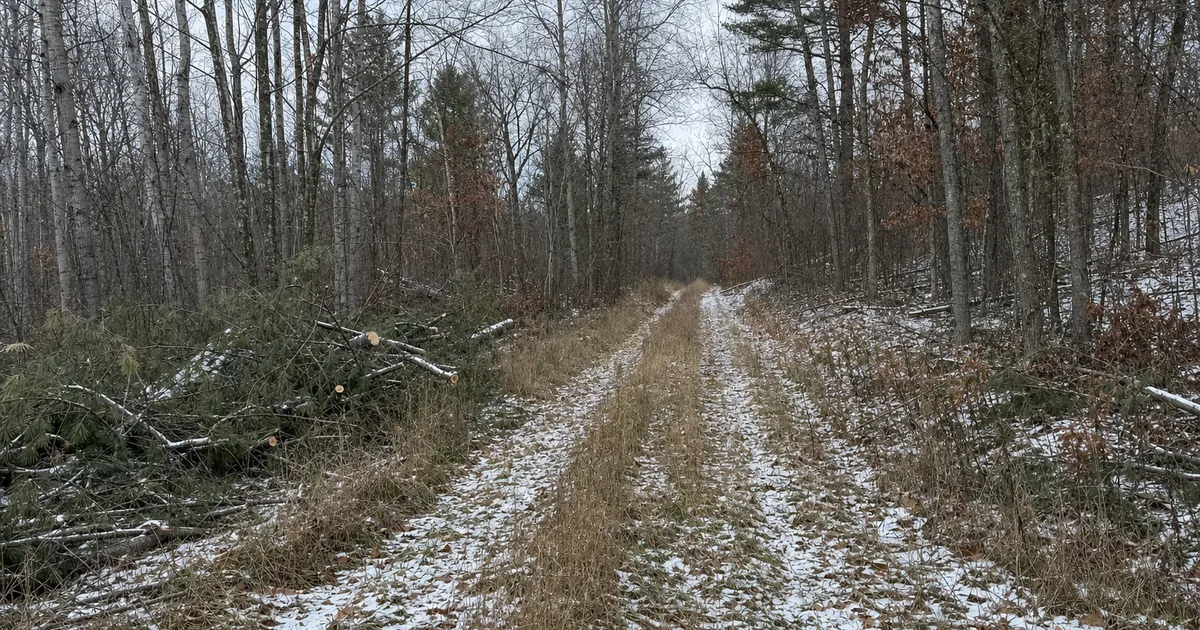
Some of the best help costs nothing. The USDA Natural Resources Conservation Service offers free technical assistance, and a conservation planner will set up a visit, walk the land with you and talk over your goals. NRCS has 56 field offices in Michigan, and most of them cover one or two counties. If your ground is in Hillsdale County, for example, your office is in Jonesville. Its EQIP program can also offer financial help to eligible farm and forest owners for practices that improve wildlife habitat. Applications are open year-round but get ranked and funded by state deadlines, so ask your local office about timing.
Mostly woods? The DNR’s Forest Stewardship Program puts owners in touch with professional foresters. A forester inspects the land, and the two of you write a stewardship plan around your goals, deer included.
After seasons close Jan. 1 you can cut, mark trails and plan plantings without pushing deer. Book the visit now and you’ll have a plan before spring.
Additional resources
- Michigan DNR: 2026 Deer Hunting Regulations Summary
- Michigan DNR: Michigan White-tailed Deer Landscape Habitat Management Guidelines (2017, PDF)
- Michigan DNR: Forest Stewardship Program
- USDA NRCS: Environmental Quality Incentives Program, Michigan
- MSU Extension (Ask Extension): Soil testing for a wildlife food plot
Want a second opinion on your ground?
Still sorting through what this season showed you? Tell us about your ground and what you want it to do for you next fall, and we’ll talk it through. Rather call? The number is 517-437-2946.