Michigan land buying mistakes are avoidable errors — skipped boundary walks, unverified road access, severed mineral rights, missed tax program deadlines — that regularly cost hunting land buyers tens of thousands of dollars or the property itself. The most expensive ones happen before closing, not after: buying a 40-acre listing and discovering only 32 huntable acres, or learning the seller kept the mineral rights under your food plots. At Michigan Whitetail Properties, we’ve walked buyers through land purchases across all 83 Michigan counties since 1995, and the same 10 mistakes show up again and again. Missing the Qualified Forest Program enrollment window alone can cost a landowner an 18-mill school operating tax exemption every year they own the parcel. The fix for every one of these errors is cheaper than the mistake — most cost nothing but a phone call, a courthouse records check, or an afternoon walking the property line before you sign.
Here’s a story we’ve seen play out more than once. A buyer falls in love with a parcel in October. The oaks are dropping, there’s a rub line along the creek bottom, and a 10-pointer is on the trail camera the seller conveniently shares. He offers full price that week, skips half his homework because “someone else will grab it,” and closes in November. By spring he’s learned his access road crosses a neighbor’s field with no recorded easement, and the neighbor isn’t feeling generous. Sound dramatic? It’s a real pattern, and it’s preventable. Every mistake on this list has a specific, practical fix.
Boundary and Access Mistakes Are the Most Expensive Kind
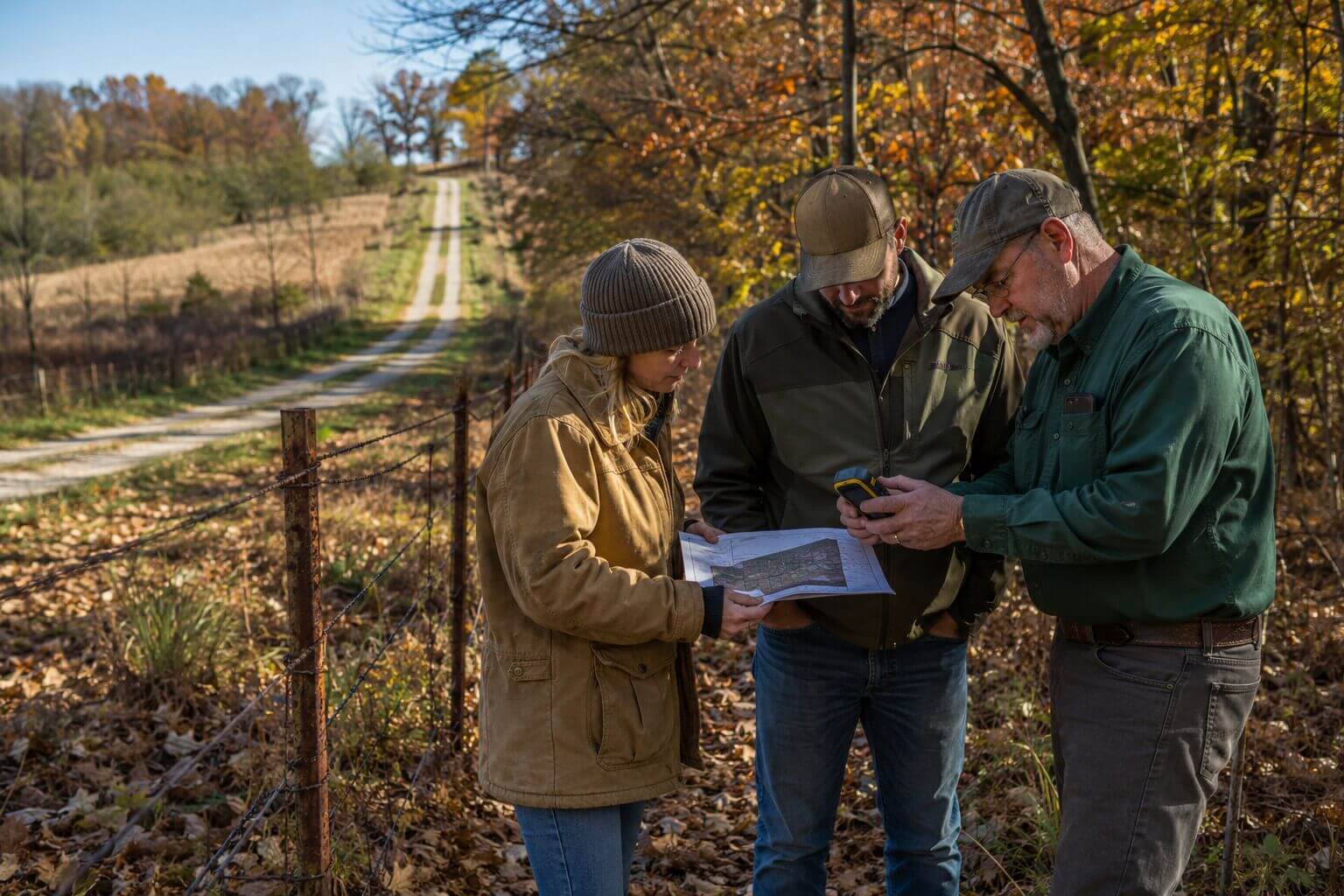 Unverified boundaries and unconfirmed road access cause more Michigan land deals to go sour than any other category of error. These two mistakes sit at the top of the list for a reason.
Mistake #1: Not walking the boundary. Listings describe parcels on paper. Ground truth is different. We’ve seen buyers purchase “40 acres” and later discover the usable, huntable footprint was closer to 32 because an old fence line everyone treated as the boundary sat well inside the recorded legal description. Walk every line before you offer. Bring the plat map, a GPS mapping app, and a healthy skepticism about rusted fence posts.
Mistake #2: Buying without checking road access. Landlocked parcels absolutely exist in Michigan, especially in the Upper Peninsula and northern Lower Peninsula where old 40-acre government-lot splits left interior parcels with no frontage. If the parcel doesn’t touch a public road, you need a recorded access easement — not a handshake with the current neighbor. Verbal permission dies with the friendship or the ownership. Check the chain of title at the county register of deeds before you write an offer, and read our guide to the full process of buying land for the complete pre-offer checklist.
You Might Not Own Everything Under and On Your Land
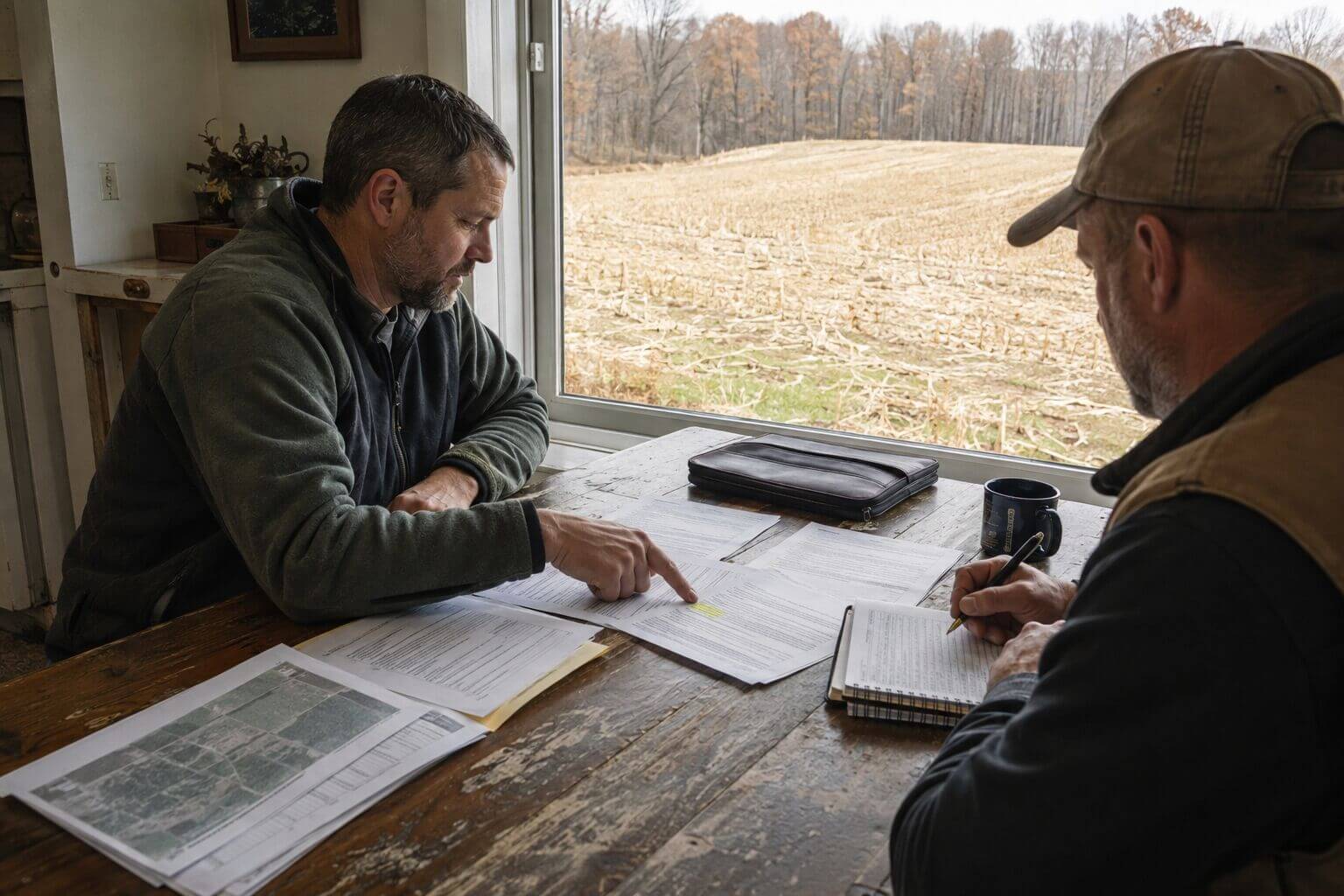 Surface ownership and subsurface ownership are two separate things under Michigan law, and existing lease rights can transfer to you at closing whether you knew about them or not.
Mistake #3: Ignoring mineral rights. In Michigan, mineral rights can be severed from surface rights and sold or retained separately. According to Michigan EGLE, whoever holds those severed rights has the legal ability to make reasonable use of the surface to extract minerals. There’s a partial safety valve — under Michigan’s Act 42 of 1963, severed oil and gas rights revert to the surface owner after 20 years if the holder takes no qualifying action — but that only covers oil and gas, and only if the clock actually runs out. Pull the chain of title and find out what you’re really buying.
Mistake #4: Not asking about existing leases. A tenant farmer with a written crop lease on the tillable ground, or a hunting club with a season lease, may have rights that survive the sale. That can mean you don’t control your own property until the lease expires. Ask the question in writing during due diligence.
Money Gets Left on the Table More Often Than It Gets Lost
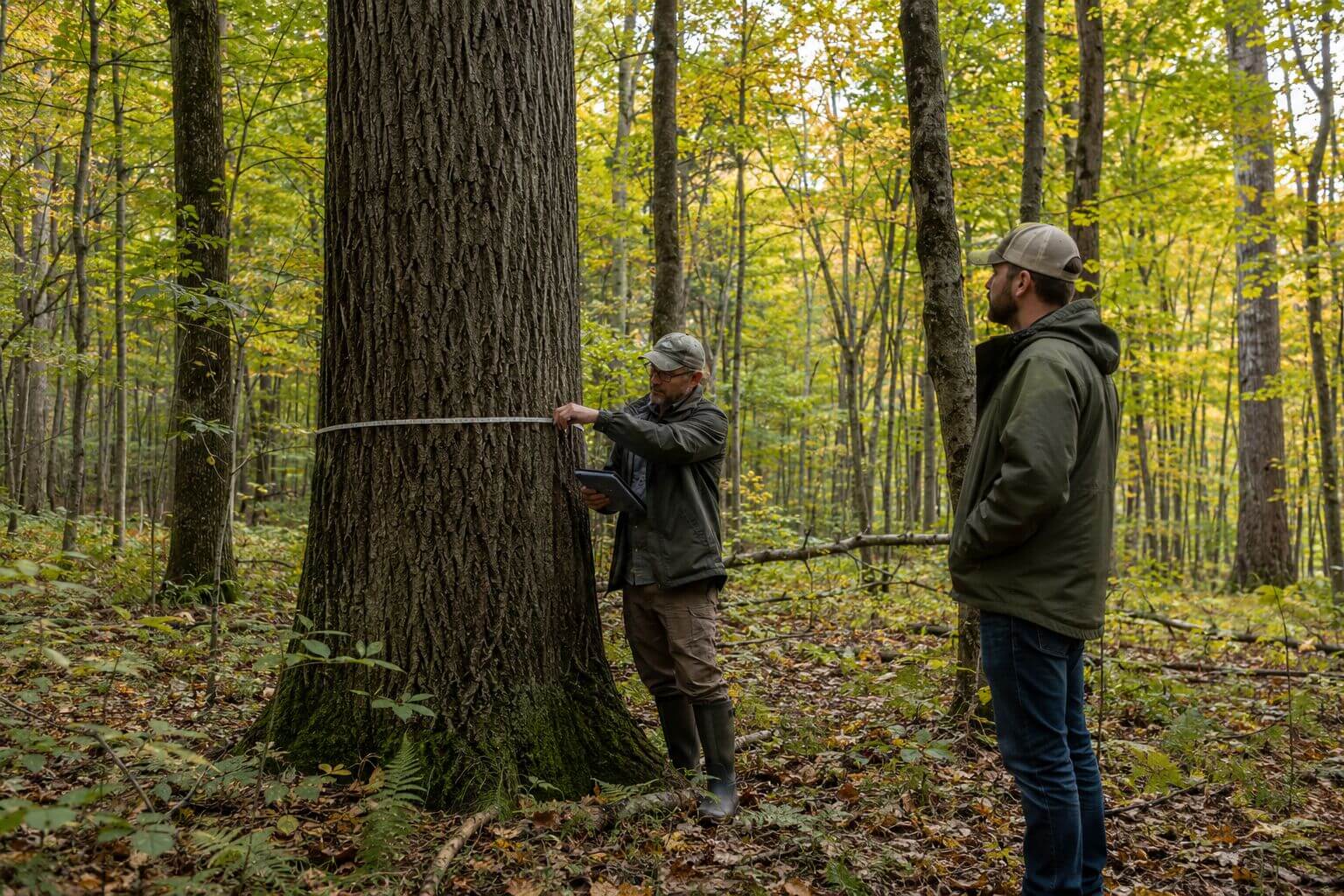 Two of the most common Michigan land buying mistakes don’t cost you money directly — they quietly cost you money you should have had.
Mistake #5: Skipping the QFP eligibility check. Michigan’s Qualified Forest Program exempts enrolled land from up to 18 mills of school operating taxes. Per MDARD, parcels need at least 20 acres, a forest management plan, and — for parcels under 40 acres — at least 80% productive forest stocking. Applications are due September 1, 2026 for the 2027 tax year. Buyers who never check eligibility pay full freight on taxes for years. We broke down the whole program in our QFP guide for hunters.
Mistake #6: Not getting a timber cruise. Mature oak, maple, and pine stands carry real value — we’ve seen parcels where standing timber was worth $50,000 or more, and neither the buyer nor the seller had priced it in. A professional timber cruise before closing tells you what the trees are worth and can reshape your entire offer. It also matters long after you close, which is why Michigan timberland holds value as a long-term investment.
The Land Itself Can Surprise You
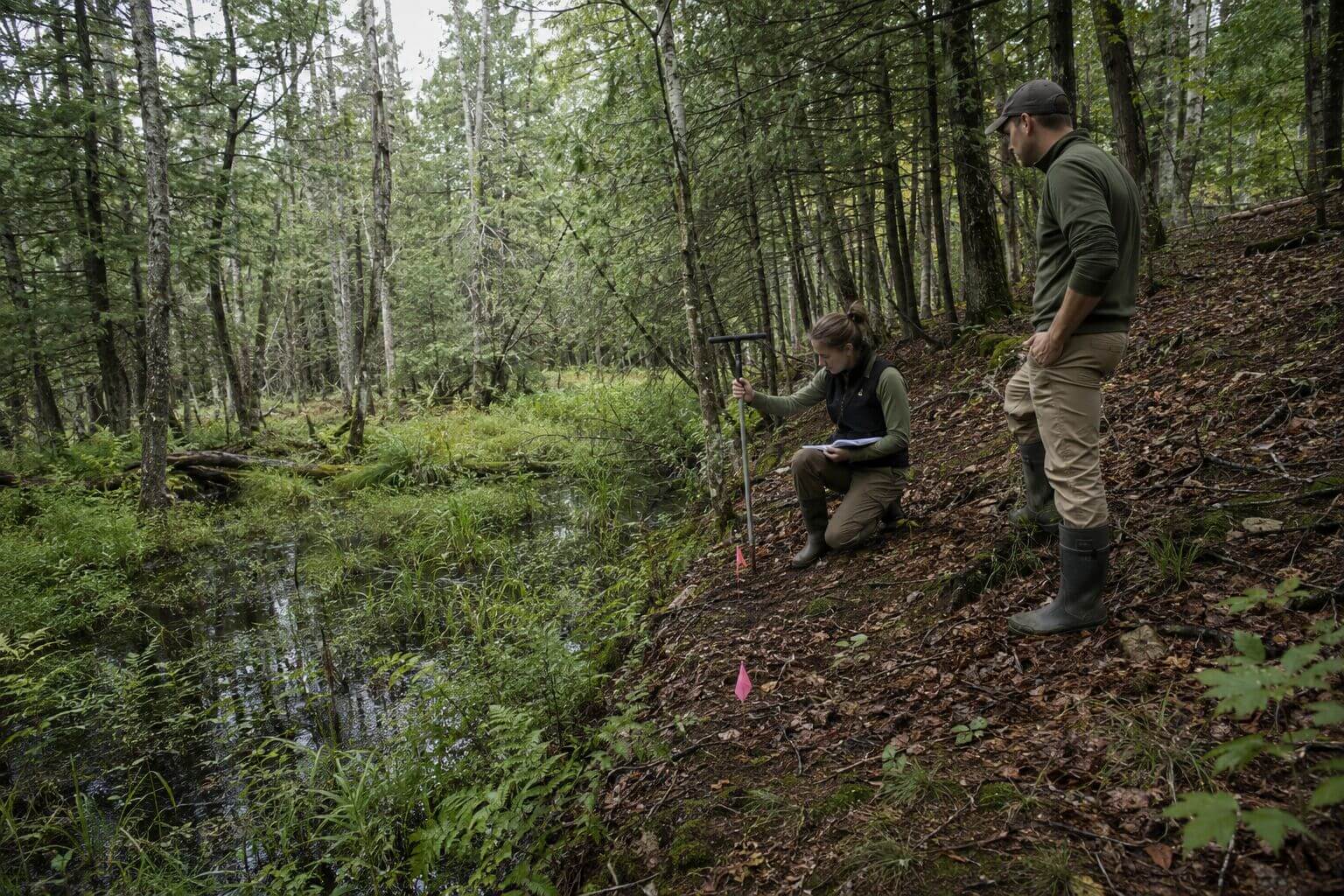 Wetland regulation and regional deer management differences change what a property can actually do for you, and both get overlooked in the excitement of a purchase.
Mistake #7: Ignoring wetland delineation. Michigan regulates wetlands under Part 303, and the thresholds catch buyers off guard. A wetland is generally regulated if it meets any of these conditions:
- It’s connected to or within 500 feet of an inland lake, pond, river, or stream
- It’s within 1,000 feet of the Great Lakes or Lake St. Clair
- It’s larger than 5 acres, or smaller but designated essential by EGLE
You can’t fill, drain, or build in a regulated wetland without an EGLE permit — and not knowing it was regulated is no defense. If your plans include a cabin, a driveway, or a big food plot, confirm what’s regulated before you close.
Mistake #8: Buying in the wrong county for your hunting goals. Michigan isn’t one deer herd. The Upper Peninsula runs different antlerless regulations and winter-stressed deer densities than the farm country of Hillsdale or Tuscola County, and the one buck rule’s geography changes the trophy math region by region — something we covered in depth in our Michigan one buck rule analysis. Decide what kind of hunting you want first, then pick the region. Browsing current Upper Peninsula listings side-by-side with southern farm-country parcels makes the tradeoffs obvious fast.
Process Mistakes Sink Good Buyers on Good Properties
How you buy matters as much as what you buy. These last two errors are about the purchase process itself.
Mistake #9: Using a residential agent unfamiliar with land. A house agent may be great at houses. But land deals turn on things residential transactions never touch — timber value, tax program enrollment, easement language, tillable lease terms, wetland restrictions. An agent who’s never handled them can misprice your offer and miss contingencies that should have protected you.
Mistake #10: Not visiting during hunting season. A parcel in July tells you about soil and cover. A parcel in November tells you where the deer actually are. Whenever the timeline allows, see the property — or at least the neighborhood — during the season you plan to hunt. Fresh sign doesn’t lie.
Here’s the full list in one place, with the cost of each error and the fix:
| # | Mistake | What It Can Cost | The Fix
|
|---|---|---|---|
| 1 | Skipping the boundary walk | Acres you thought you bought | Walk every line with the plat map |
| 2 | Ignoring mineral rights | Surface disruption, lost value | Check chain of title at register of deeds |
| 3 | Not verifying road access | A landlocked parcel | Confirm recorded easement or frontage |
| 4 | No QFP eligibility check | 18 mills of school tax, yearly | Check acreage and stocking; apply by Sept 1 |
| 5 | No timber cruise | $50,000+ in standing timber | Order a cruise before the offer |
| 6 | Ignoring wetland rules | Blocked building/improvement plans | Confirm Part 303 status with EGLE |
| 7 | Wrong county for your goals | Years of mismatched hunting | Match region to goals before shopping |
| 8 | Not asking about leases | Loss of control until lease ends | Get lease disclosures in writing |
| 9 | Residential agent on a land deal | Mispriced offers, missed contingencies | Work with a land specialist |
| 10 | Never visiting in season | Buying potential that isn’t there | See it when deer are moving |