Michigan’s Commercial Forest Program (CFP) cuts the tax on enrolled timber to $1.35 an acre per year, but the land has to stay open to the public for hunting, trapping and fishing on foot. The Qualified Forest Program (QFP) instead exempts the land from local school operating millage, typically 18 mills, less an annual fee equal to 2 mills of the land’s taxable value, and your land stays private. If you bought the ground to hunt it yourself, QFP is usually the one that fits.
Those rules come from the Michigan DNR’s Commercial Forest page and MDARD’s Qualified Forest Program page, both read as of Nov. 8, 2026. Two different agencies run the two programs, which is a big reason people mix them up.
Key takeaways
- CFP requires public foot access for hunting, trapping and fishing. A fence or a gate doesn’t change that.
- CFP’s specific tax is $1.35 per acre per year for tax years 2022 through 2026, and you need at least 40 contiguous forested acres to enroll.
- QFP starts at 20 contiguous acres, keeps the land private and exempts it from the local school operating millage (typically 18 mills), less a yearly fee equal to 2 mills.
- CFP bars buildings, permanent blinds and paid hunting leases. QFP allows buildings, but they’re still taxed.
- Selling enrolled land? CFP parcels under 10,000 acres have to come out of the program if the new owner won’t allow public access. A QFP buyer can keep the seller’s capped taxable value.
The deciding difference: who else gets to hunt your land
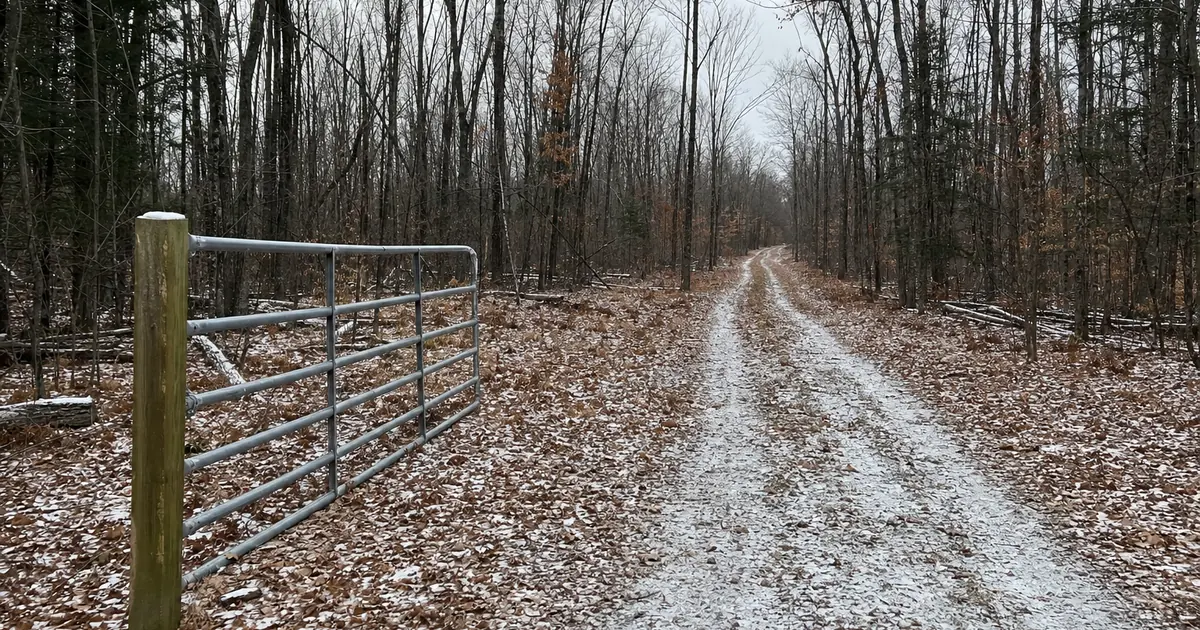
On CFP land, the public can walk in to hunt, trap and fish. The DNR says more than 2.2 million acres of private land enrolled in the program are open to public foot traffic this way. Enrolled parcels aren’t signed as commercial forest, they may be fenced or gated, and the DNR states plainly that a fence or gate doesn’t stop foot access.
You can’t post CFP land against hunting or fishing, either. The DNR’s Commercial Forest Program summary says “No Trespassing” signs aren’t allowed on enrolled land.
The owner still controls everything beyond walking in to hunt, trap and fish. Under DNR rules, people using CFP land can’t build blinds, cut shooting lanes, screw tree steps into trees, leave stands, camp, target shoot or drive ORVs without your permission. You can also restrict access while logging is underway.
QFP works the other way around. MDARD’s program FAQ says land with a QFP exemption is not required to be open to the public, so you decide who hunts, same as before you enrolled. For a buyer who paid for privacy, that settles most of the question before anyone runs the tax math.
CFP and QFP side by side
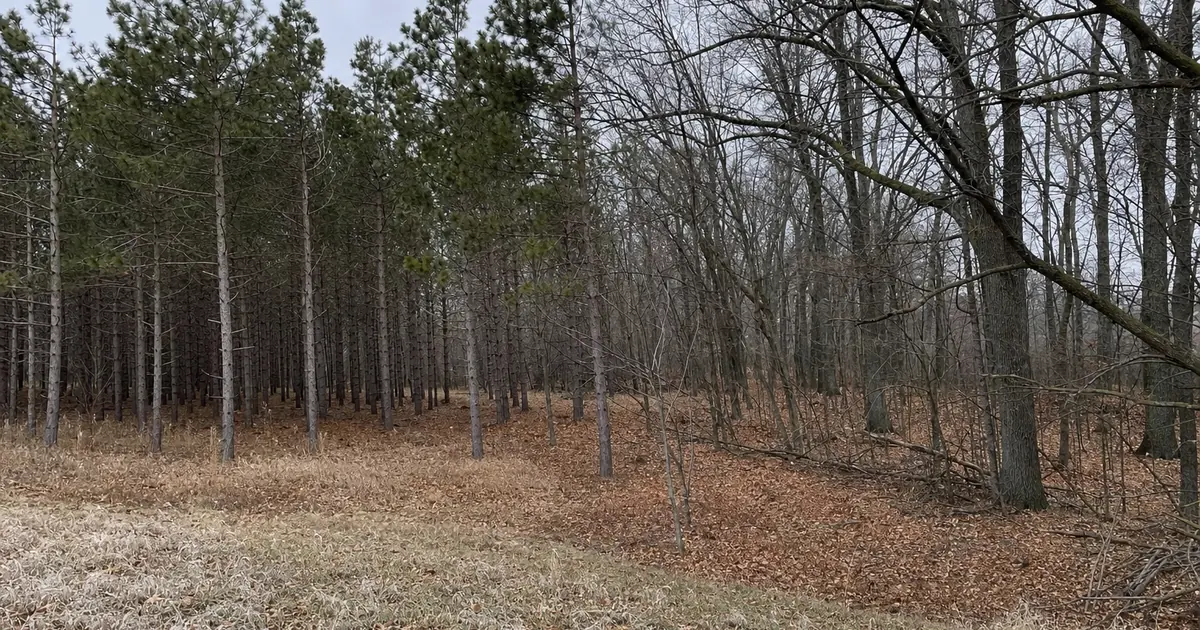
The table compares the two programs on the points hunting-land owners ask about most.
| Commercial Forest (CFP) | Qualified Forest (QFP) | |
|---|---|---|
| Run by | Michigan DNR | MDARD |
| Minimum size | 40 contiguous forested acres; you must own the timber rights | 20 contiguous acres; under 40 acres needs 80% productive forest, 40 acres or more needs 50% |
| Public access | Required: foot access to hunt, trap and fish | Not required |
| Tax benefit | Specific tax replaces general property tax on the land | Land is exempt from local school operating millage (typically 18 mills) |
| Yearly cost | $1.35 per acre (tax years 2022–2026) | Fee equal to 2 mills of the land’s taxable value |
| Buildings and permanent blinds | Not allowed | Allowed; buildings pay school operating millage |
| Management plan | Required, written by a registered forester or a DNR-approved natural resources professional; confirm current eligibility with DNR | Required, written by a Qualified Forester; 20 years max |
| When to apply | Jan. 1 to April 1 | Year-round; by Sept. 1 for the next year’s exemption. Apply now, no later than Sept. 1, 2027, for 2028 |
| Application fee | $200 for 200 acres or less; for 201 acres or more, $1.00 per acre or fraction of an acre, up to $1,000 | $50 |
| Leaving | Withdrawal application, fee and penalty | Recapture tax |
Sources: Michigan DNR Commercial Forest page and program summary (IC4171, revised March 17, 2026); MDARD Qualified Forest Program FAQ. Read Nov. 8, 2026.
How the Commercial Forest Program works
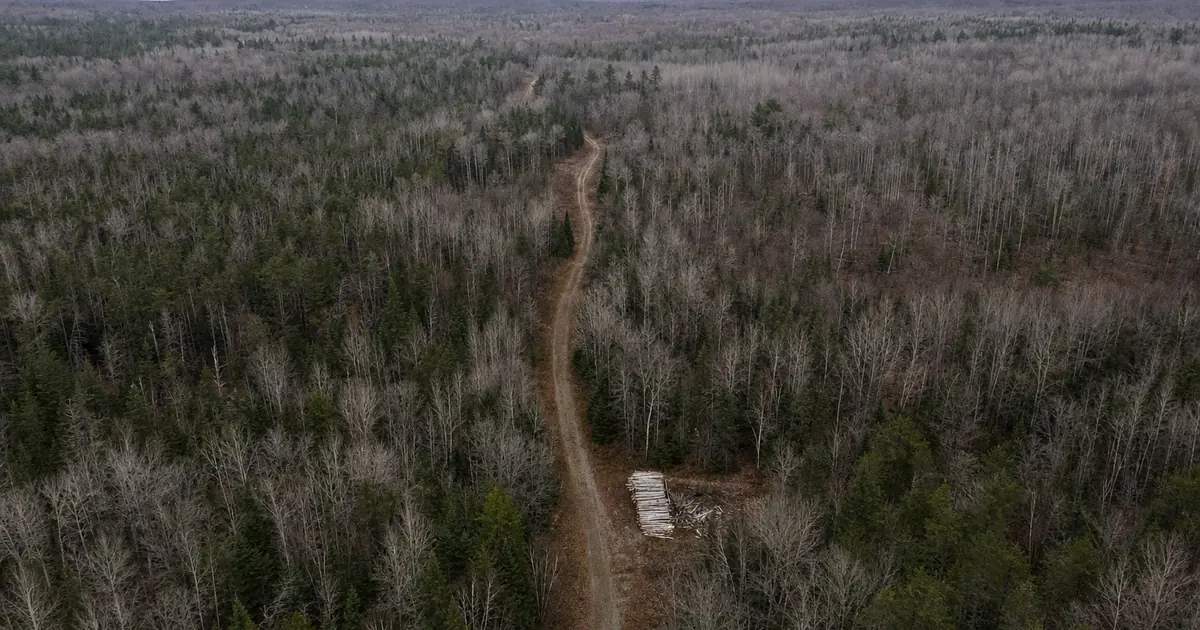
CFP land doesn’t pay general property tax. It pays a specific tax instead, set by the Legislature in 2006 at $1.20 per acre per year and raised five cents every five years since. For tax years 2022 through 2026 the rate is $1.35 an acre, and the bill usually comes from the township treasurer in the winter cycle, billed in December and due in February.
To get in, you need at least 40 contiguous forested acres, the timber rights, enough productive stocking and a forest management plan written by a registered forester or a DNR-approved natural resources professional; confirm current eligibility with DNR. You also have to tell the DNR in writing 10 days before any cutting. Applications open Jan. 1 and must be postmarked by April 1, and the tax status changes the following tax year.
The limits are where hunters get surprised. CFP land can’t carry buildings, trailers, permanent hunting blinds or utilities, and it can’t be used for farming, grazing or a residence. The DNR summary also says owners can’t take payment for any agreement affecting CF land, including a lease. If lease income was part of your plan, CFP rules it out, and our hunting lease income guide covers what leasing looks like on land that’s outside the program.
So who is CFP for? Mostly owners who manage large tracts for wood products and don’t mind sharing the woods with public hunters in November.
How the Qualified Forest Program works
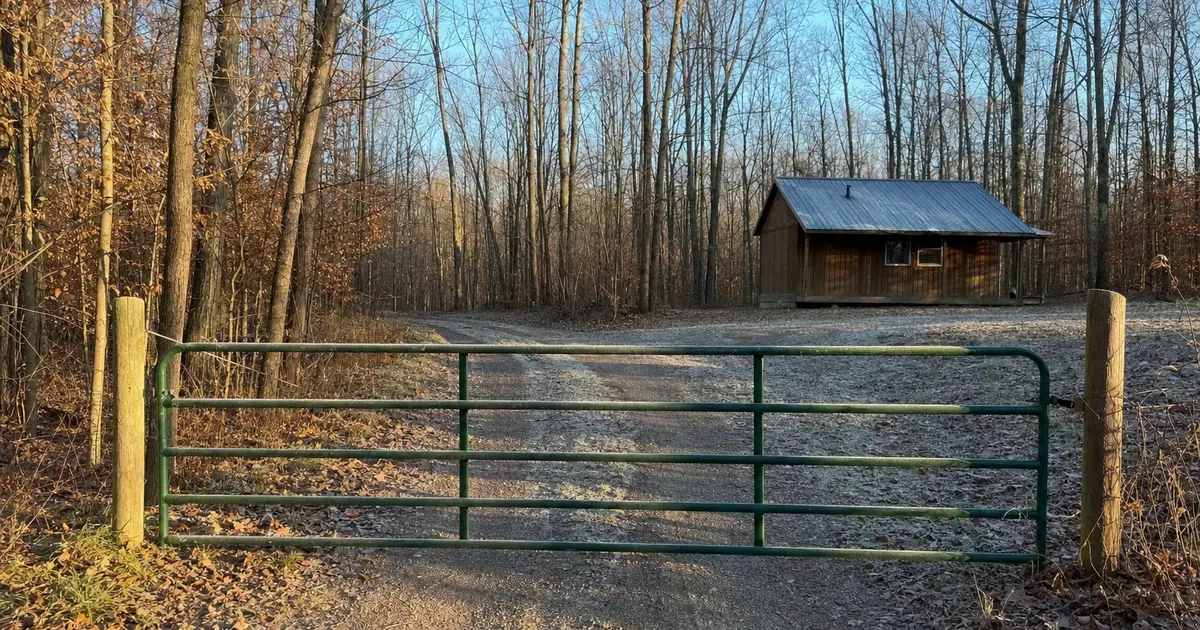
QFP is built for smaller private woodlots. The parcel needs at least 20 contiguous acres. Under 40 acres, at least 80% has to be stocked with productive forest, meaning ground that grows at least 20 cubic feet of wood per acre per year. At 40 acres or more, the bar drops to 50%.
The payoff is an exemption from the local school operating millage on the land. MDARD says that’s typically 18 mills, though it can be less depending on your school district. A yearly fee equal to 2 mills of the land’s taxable value comes back out, and a cabin or pole barn still pays school operating millage on its own value.
You’ll need a forest management plan written by a Qualified Forester, and you have to follow it, harvests included. Planned cutting can work in a deer hunter’s favor if the plan is laid out well, which our guide to select-cutting timber on hunting property walks through.
MDARD accepts applications year-round. Apply by Sept. 1 with the plan, a stand harvest schedule, deeds, tax bills and a $50 fee for the following year’s exemption. Once you’re approved, you sign, notarize and record the affidavit at the county register of deeds, then hand it to your local taxing authority by Dec. 31. The Sept. 1, 2026 deadline has passed. You can apply now, no later than September 1, 2027, for the 2028 exemption.
Our QFP guide for hunters goes deeper on stocking problems, cabins and the mistakes that cost people the exemption.
What each program saves on a real tax bill
Take a hypothetical parcel: 80 forested acres with a land taxable value of $100,000, nothing built on it, and a current tax bill of $4,000 a year. Your parcel’s numbers will be different.
- QFP: 18 mills on $100,000 is $1,800 a year. Take off the 2-mill fee ($200) and you save about $1,600 a year, if your district levies the full 18 mills.
- CFP: the general property tax on the enrolled acres is replaced by $1.35 × 80, or $108 a year. On a $4,000 bill, that’s about $3,900 saved.
In this hypothetical, CFP produces the larger annual tax saving. The gap between those two lines is what you’d pay, in effect, to keep strangers off the ridge you bought for yourself.
This is general information, not tax advice. Your assessor, MDARD or a Michigan CPA can run the numbers on your actual bill. If your land is more field than forest, neither program may fit, and our Michigan land tax breaks overview covers the other options.
What happens when you sell or leave a program
CFP land can be bought and sold, but the program follows the deed. Any document transferring title has to state that the land is subject to Part 511, and the new owner has 90 days from the deed to come into compliance. If the parcel is under 10,000 acres and the buyer won’t allow public hunting and fishing, the land has to be withdrawn.
Withdrawal takes an application, a fee and a penalty the DNR calculates under Part 511 and bills through the township treasurer. The DNR says applications can take up to 12 weeks to process. Withdrawn land is taxed as commercial forest for that year, then goes back on the regular tax rolls the next.
QFP land is often the easier sale for a hunting buyer. MDARD offers a Qualified Forest Taxable Value Affidavit to people buying land that’s already enrolled, and signing it keeps the taxable value capped at the previous owner’s level. The buyer takes on the plan. Pulling land out of QFP, or falling out of compliance, triggers recapture: taxable value × the school operating mills (minus the 2-mill fee) × the years enrolled, up to seven. MDARD doubles that amount if no harvest was done.
Michigan Whitetail Properties has been selling Michigan hunting, farm, and recreational land since 1995. If your land is enrolled, put the program status, the current plan and any withdrawal cost in the listing packet from day one, because buyers will ask. Questions about whether enrolled acreage matches the deed go to a title company or a Michigan attorney.
Additional resources
- Michigan DNR: Commercial Forest Program
- Michigan DNR: Commercial Forest Program summary (IC4171, revised March 17, 2026)
- MDARD: Qualified Forest Program
- Michigan Legislature: MCL 324.51101 (Part 511, Commercial Forests)
- Michigan Legislature: MCL 211.7jj[1] (Qualified Forest Program exemption)
Not sure which program fits your land?
Whether you’re weighing enrollment or getting ready to sell land that’s already in one of these programs, tell us about your property and we’ll walk you through both. If you’d rather talk it over, call 517-437-2946.