Michigan’s hunting trespass law, MCL 324.73102, treats land two ways. Farm property and wooded areas connected to farm property can’t be entered to hunt without the owner’s consent, whether they’re posted or not. Other private land is covered only when it’s fenced to keep intruders out or posted with signs that meet the statute’s size and spacing rules.
Wound a deer and watch it cross onto private land? According to the Michigan DNR, you have no legal right to follow it without permission. A first trespass conviction is a misdemeanor, with up to 90 days in jail, a fine of $100 to $500, or both. Michigan Whitetail Properties has been selling Michigan hunting land since 1995, and a clearly marked, well-documented boundary is one of the simplest protections an owner has.
What follows is Michigan law in plain English. It’s background, not legal advice, and a Michigan attorney can tell you how it fits your land.
Key takeaways
- Farm ground and the woods connected to it need consent to hunt, signs or no signs.
- On wooded land with no farm connection, posting to the statute’s standard is often what makes the trespass law apply.
- Following a wounded deer onto someone else’s land takes their permission.
- Baiting to hunt deer is banned on all public and private land in the Lower Peninsula. Public Act 86 of 2026 allows limited wildlife feeding (up to 2 gallons within 300 feet of a residence). As of Nov. 16, 2026, the DNR has proposed keeping feeding banned in 11 northeast Lower Peninsula counties; that is a proposal, not a rule, and the current feeding rule is unchanged. Food plots on private land are legal.
- Non-paying guests generally can’t sue over an injury short of gross negligence or willful and wanton misconduct.
Michigan trespass law, plainly stated
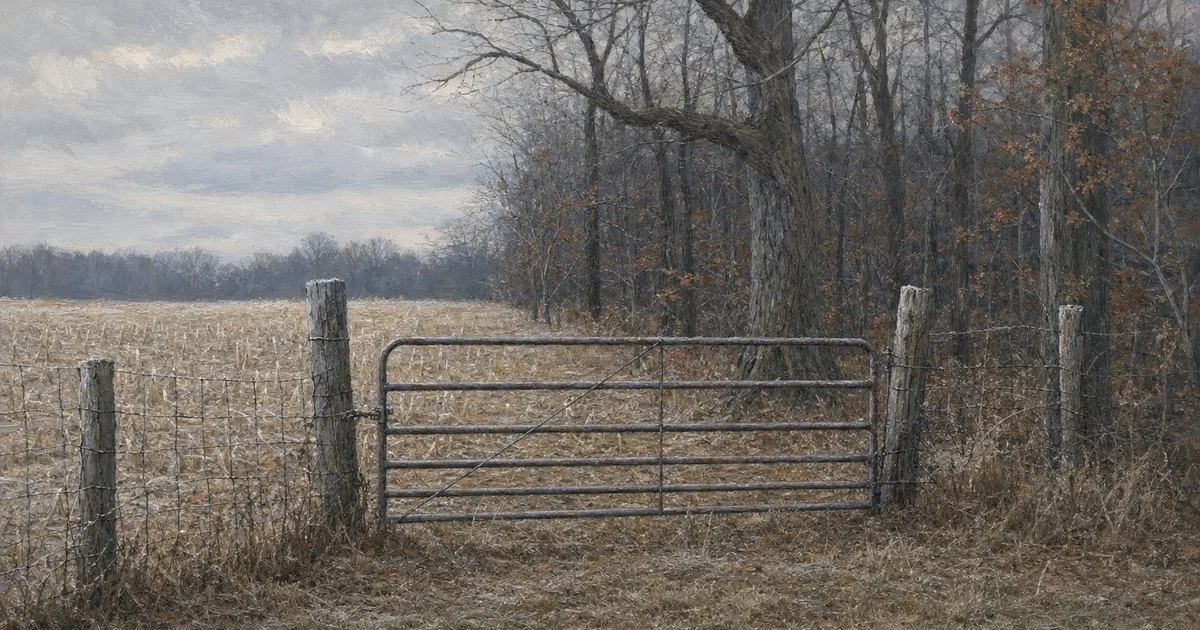
Farm property and connected woods. Hunting or trapping there takes the consent of the owner, the lessee or their agent, period. Posted, fenced or neither makes no difference.
Other private land. Consent is required if either of two things is true. The land is fenced or enclosed and kept that way to exclude intruders, or it’s posted in a conspicuous manner. Posting signs must be at least 50 square inches with letters at least 1 inch tall, and they have to be spaced so a person can see at least one sign from any point of entry.
Consent can be given out loud or in writing, and it can come with conditions. If you require written permission from everyone, a person on your land without it is prima facie evidence of unlawful entry under the same section.
One carve-out covers dogs. Someone without a firearm may walk in to retrieve a hunting dog unless you’ve told them not to, and must leave once they have it.
Penalties come from MCL 324.73110:
| Offense | Penalty |
|---|---|
| First violation | Misdemeanor: up to 90 days, a $100 to $500 fine, or both |
| Killing game while trespassing | Up to 90 days, a $250 to $750 fine, or both |
| Second violation within 3 years | Up to 90 days, a $500 to $1,500 fine, or both; the court may revoke a hunting, fishing or trapping license and bar a new one for up to 3 calendar years |
Under MCL 324.73109, a landowner can sue a trespasser for $750 or actual property damages, whichever is greater, plus reasonable attorney fees.
When you do run into a trespasser, keep it short: ask them to leave, write down the vehicle, plate and time once they’re gone, and call local law enforcement. Don’t confront an armed stranger in the woods.
Wounded deer that cross the line
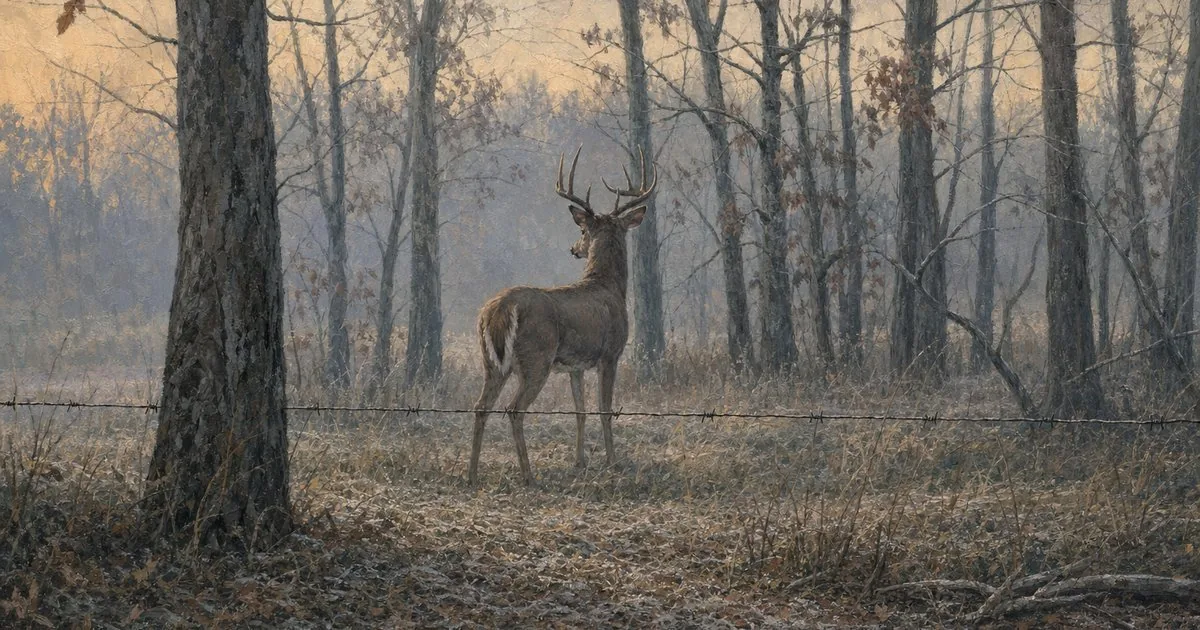
The rule fits in one sentence. The DNR says that if you wound a game animal and it goes onto private property, you have no legal right to pursue it without the landowner’s permission, and you could be prosecuted for trespassing.
A clear blood trail doesn’t change that, and neither does a deer that dies ten yards over the line.
What resolves it in practice:
- Stop at the line and mark the last blood.
- Find or call the landowner and ask to recover the deer, unarmed.
- Bring in a tracking dog if you need one. The DNR allows a dog to locate a down or mortally wounded deer if it’s on a leash or the tracker can show control of it, and nobody along carries a bow, crossbow or firearm.
As the landowner, the answer is yours. Consent can carry conditions, so you can say yes on your terms: unarmed, with you along, in daylight.
The best fix happens before the opener. Five minutes with each neighbor about what happens if a deer crosses heads off a lot of arguments, so trade phone numbers before November 15 and keep the 2026 firearm deer season dates and rules handy. Our neighbor-pressure guide covers how the land around yours shapes your hunting.
Baiting and feeding status for 2026
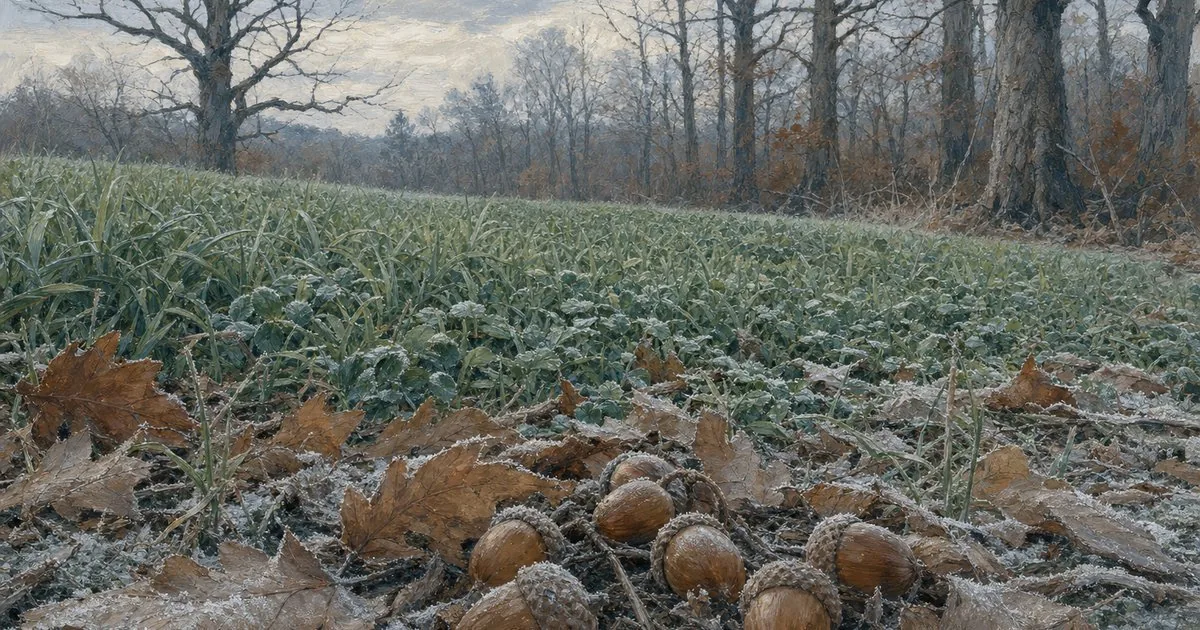
From the DNR’s 2026 deer regulations summary:
- Lower Peninsula: baiting to hunt deer is banned on all public and private land. The one baiting exception, for qualifying hunters with disabilities during the Liberty and Independence hunts, is finished for 2026. The Independence Hunt ended Oct. 18.
- Feeding near a home: Public Act 86 of 2026 (MCL 324.40111a) allows limited wildlife feeding, up to 2 gallons within 300 feet of a residence. As of Nov. 16, 2026, the Department of Natural Resources has proposed that the Natural Resources Commission keep deer and elk feeding banned in 11 northeast Lower Peninsula counties — Alcona, Alpena, Cheboygan, Crawford, Iosco, Montmorency, Ogemaw, Oscoda, Otsego, Presque Isle and Roscommon — to limit bovine tuberculosis. This is a proposal, not an adopted rule, and the current feeding rule is unchanged. The Commission may be eligible to act on the proposal as early as its Dec. 9, 2026 meeting. See the DNR information memo, and check the DNR baiting and feeding page before you put anything out.
- Upper Peninsula: baiting is allowed Sept. 15 through Jan. 1. Each hunting site is capped at 2 gallons, scattered directly on the ground over an area of at least 10 by 10 feet.
- Food plots: legal on private land, but not on public land. Standing crops and food left by normal farming practices don’t count as bait.
The Natural Resources Commission approved the Lower Peninsula baiting and feeding ban in August 2018, and it took effect Jan. 31, 2019. Public Act 86 of 2026 has since carved out limited feeding near homes.
If a guest or tenant baits your Lower Peninsula land, they’re the one breaking the law. Still, the land and the lease carry your name, which is reason enough to put a no-baiting clause in every permission and lease you give out.
Boundary marking done right
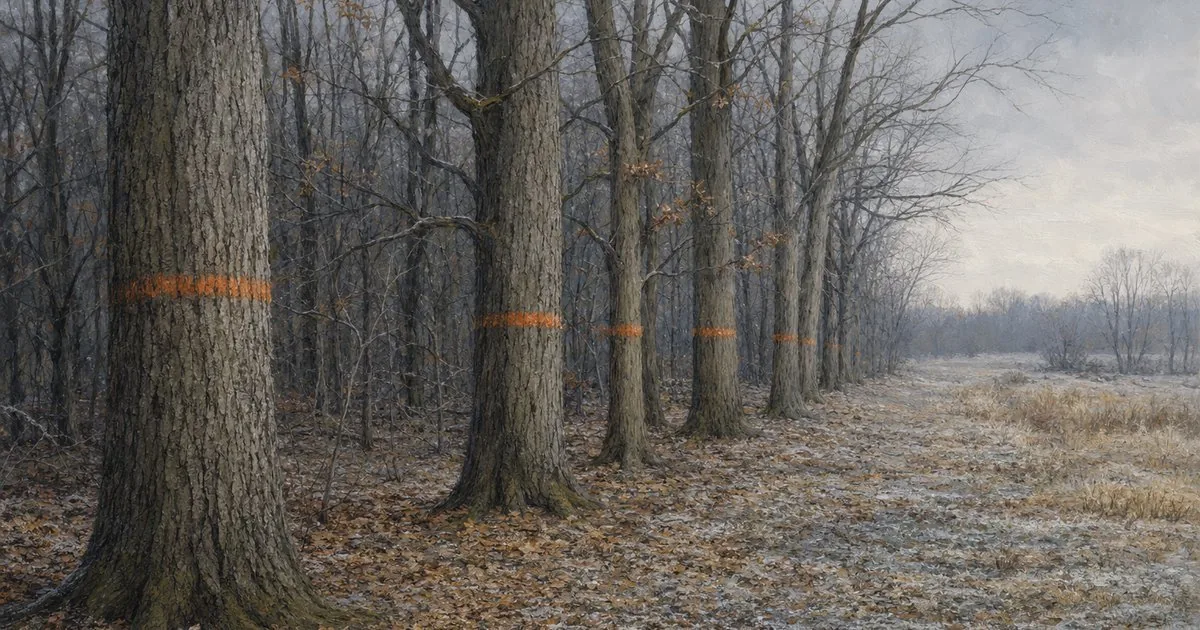
- Signs that meet the statute. Every sign needs at least 50 square inches and letters an inch tall. Place them so someone walking in at any point (a gate, a corner, a trail, a field edge) can see one.
- Paint marks. Many owners paint a band on trees along the line at eye level. Paint lasts for years, but the statute’s posting standard is written around signs, so treat paint as a backup.
- A yearly walk. Walk the whole line before the season and replace faded, torn or missing signs.
- Signs are protected. Pulling down or defacing a sign posted under the trespass law breaks the law too, under MCL 324.73104.
Fence in one spot, deed saying another? Don’t guess. Old fences can wander off the deeded line, and the strip between the two is where neighbor fights tend to start. Take the question to a title company or a Michigan attorney before you move a fence or hang a stand near it.
On wooded hunting land that isn’t connected to a farm, posting is often what makes the trespass law apply at all. Post it before the opener.
Landowner liability for guests and tenants
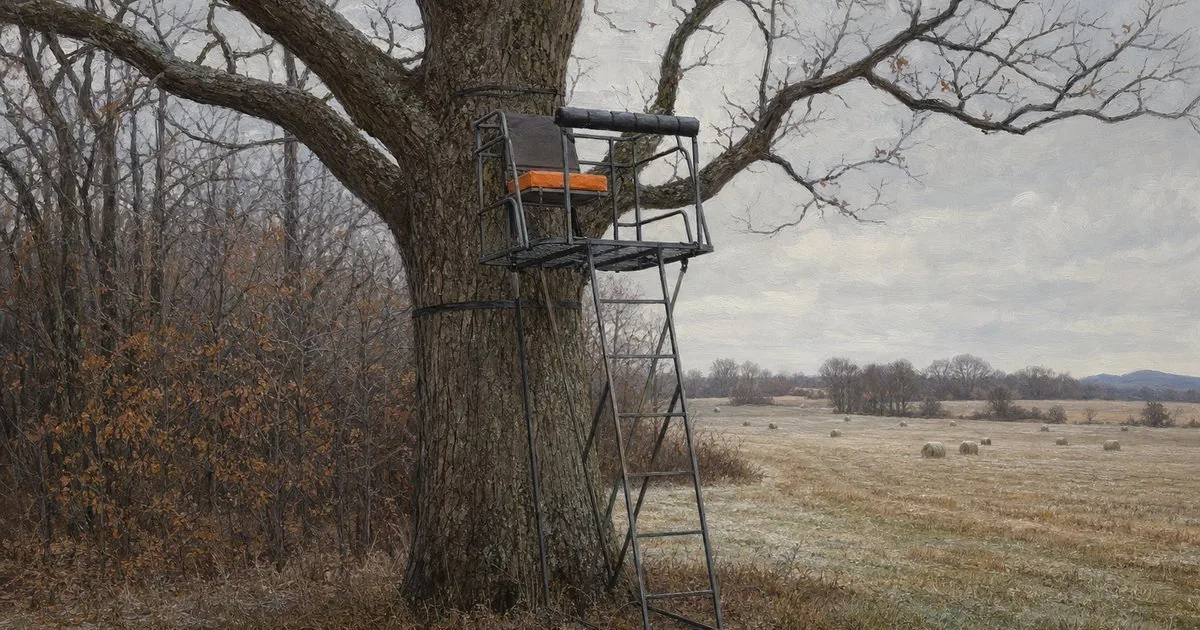
Michigan’s recreational use statute, MCL 324.73301, says someone who hunts your land without paying generally has no injury claim against you, unless the injury came from your gross negligence or willful and wanton misconduct.
Paid hunting changes that. On a working farm, a paying hunter can sue over a known, unreasonably risky condition the owner didn’t fix or warn about. For paying hunters on land that isn’t a farm, ask a Michigan attorney how the statute applies.
What protects you in practice:
- Written permission for every guest.
- A written lease for any paid hunting, with proof of insurance required.
- A walk before the season to fix or flag old wells, foundations and rotten stands.
- A written answer from your insurer about what your policy covers.
Our hunting lease income guide covers lease rates, liability and lease terms in more depth.
Why clean boundaries are a valuation factor
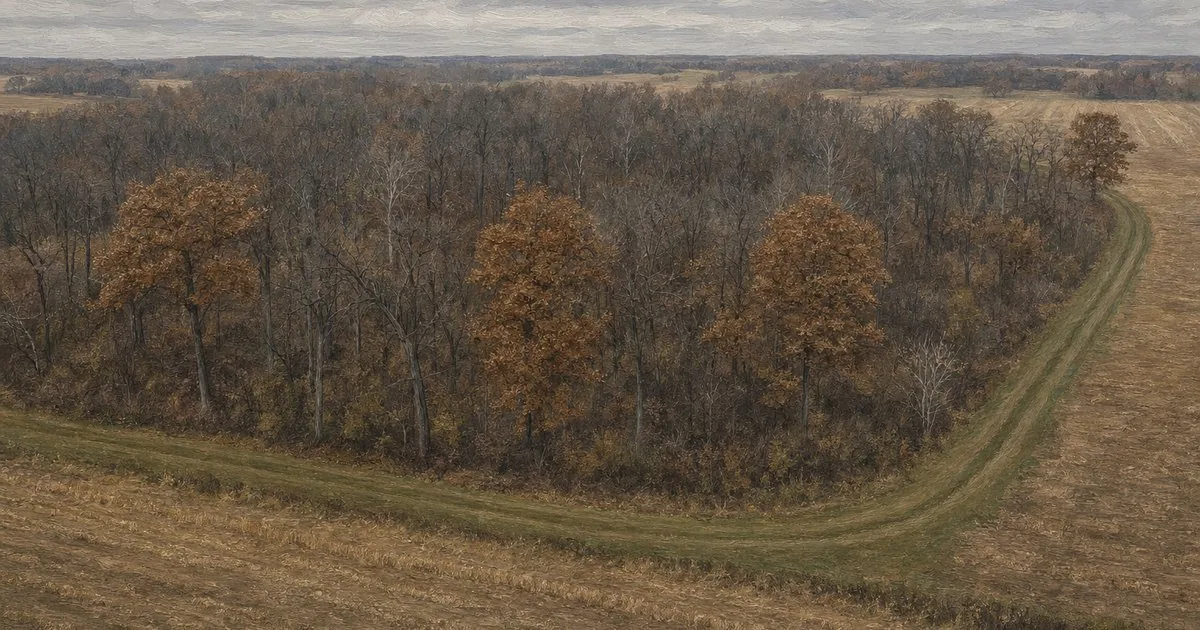
Buyers like certainty. Clean lines with no fights behind them make a parcel simpler to own, and simpler to explain to a buyer down the road. You can browse current Hillsdale County land listings to see what’s on the market in one southern Michigan county.
What tends to give buyers pause:
- Unclear lines, or “we think it’s about here.”
- A fence that doesn’t match the deed.
- A neighbor known for hunting the line.
- Access that depends on a handshake instead of a recorded easement.
Most of this comes down to paperwork, and one folder does it: the deed, title policy and any recorded easements, plus dated photos of signs and paint, each written permission or lease, and notes on whatever you and the neighbors agreed. Update it every fall. If a dispute ever ends up in court, that folder carries a lot of weight. Our Michigan hunting land due diligence checklist shows the questions a buyer is likely to ask.
Additional resources
- Michigan Legislature: MCL 324.73102 (recreational trespass)
- Michigan Legislature: MCL 324.73109 (civil action by property owner)
- Michigan Legislature: MCL 324.73110 (penalties)
- Michigan Legislature: MCL 324.73301 (recreational use liability)
- Michigan DNR: 2026 Deer Hunting Regulations Summary
See properties with clean, marked boundaries
Looking for ground with a clean boundary story? See properties with clean, marked boundaries on our Michigan hunting land page.