If you own rural ground in Michigan, or you’re about to, it can do more than sit there and collect a tax bill. A hunting lease, a flock of laying hens, a pole barn full of somebody else’s boats over the winter: none of that takes a development project or a rental house full of tenants, and with some planning the land can help cover its own costs.
Below are seven ideas, with the township calls, liability questions and startup costs each one brings.
Why Michigan Land Draws Buyers
Michigan covers a lot of different country. There’s Great Lakes shoreline, orchard ground on the west side of the state, flat tillable farmland in the Thumb and across the south, and big stretches of woods up north. That range is why recreational buyers, farmers and people with a small business idea all end up looking at land here.
USDA NASS pegged Michigan farm real estate at $7,000 an acre for 2026, which was 2.9% higher than 2025. Just remember that USDA doesn’t break out hunting or recreational ground on its own, so that number is about farms, and it won’t tell you what a cedar swamp with an oak ridge running through it is worth to a deer hunter.
Land Ownership 101: What to Weigh
Is owning land worth it? Usually, though it depends on the parcel, what you plan to do with it, and whether you’re ready for the work some of these ideas take. One thing to understand is that a lot of farm ground is headed for new owners. American Farmland Trust figures nearly 300 million acres of U.S. agricultural land could change hands in the next 20 years, and when USDA counted, the average U.S. producer’s age came out to 58.1 in the 2022 Census of Agriculture. That’s a lot of older owners deciding what happens to their land.
Michigan also has plenty going for it as a place to put land to work: a moderate climate, lots of water, farm infrastructure that’s already in place, and deer and turkey hunting that people will pay for access to. Several of the ideas below fit a modest parcel.
7 Ways to Turn Michigan Land Into a Cash-Flowing Asset
Here are seven ways owners make money from their land. A few of these ideas came from other states, so check each one against Michigan’s rules, and your township’s, before you spend a dime.
1. Hunting Leases

Deer are the big draw. Some hunters would rather pay for private ground than share a public woodlot on opening morning, and once a lease is signed there isn’t much for you to do. Most deals land one of two ways. A seasonal lease is one price, and the group has the place to themselves for the main seasons (usually deer and turkey). A day or weekend lease charges by the visit, which can bring in more per hunter, but you’ll spend a lot more of October and November on scheduling and phone calls.
What a lease brings depends on how many deer you’ve got, the cover and food on the property, and where it sits. Ground with a name for big bucks, or with turkeys and ducks too, does better. Don’t count on a lease covering the taxes and a land payment by itself. Paired with something else on this list, it starts to matter. We wrote up current Michigan lease rates, liability and resale effects if you want the details.
Liability is the piece to think through before you take anyone’s money. Michigan’s recreational-use statute, MCL 324.73301, generally means a landowner isn’t liable for injuries to someone hunting or using the land for outdoor recreation without paying, unless there’s gross negligence or willful and wanton misconduct. Once the hunter pays you, as with a lease, that broad protection doesn’t apply. If the property is a working farm used in agricultural production, paid hunters fall under a narrower protection. The owner can be liable only for a condition with an unreasonable risk of harm that the owner knew or had reason to know about and didn’t take reasonable care to make safe or warn about, and only if the hunter didn’t know or have reason to know about it. That’s information, not legal advice. Put the lease in writing, and talk with your insurance agent or a Michigan attorney before the first truck pulls in.
If you’d rather not deal with a lease group at all, the DNR’s Hunting Access Program (HAP) is another way to get paid for access. According to the DNR, HAP makes an annual lease payment to private landowners in eligible areas who allow public hunting, and it pays up to $30 per acre for high-quality habitat enrolled in a Farm Bill program such as CRP or land in a wildlife food plot. The DNR’s HAP page for landowners has the details on eligibility.
2. Small-Scale Livestock Operations (Egg Farming or Goats)

Chickens or goats are about the easiest way into livestock. Neither takes much room or much babying, and each gives you more than one thing to sell.
With hens, it’s eggs. Keep a laying flock, set a cooler of cartons out at the Saturday farmers’ market, maybe line up a standing order with a small grocer in town, and you’ve got a little cash coming in most weeks. Goats give you milk, cheese and meat, and some owners host goat yoga (we’re not kidding). Soap or cheese made from the milk can add to what the herd brings in.
Don’t buy a single chick until you’ve called the township. In Michigan it’s mostly the township (or the city) that sets zoning, not the county, so they’re the ones who know if birds or goats are allowed on your place and how right-to-farm questions get handled there. Since you’ll have the township on the phone anyway, ask for the assessor too, and find out if the land could be classified agricultural.
3. Storage and Equipment Leasing
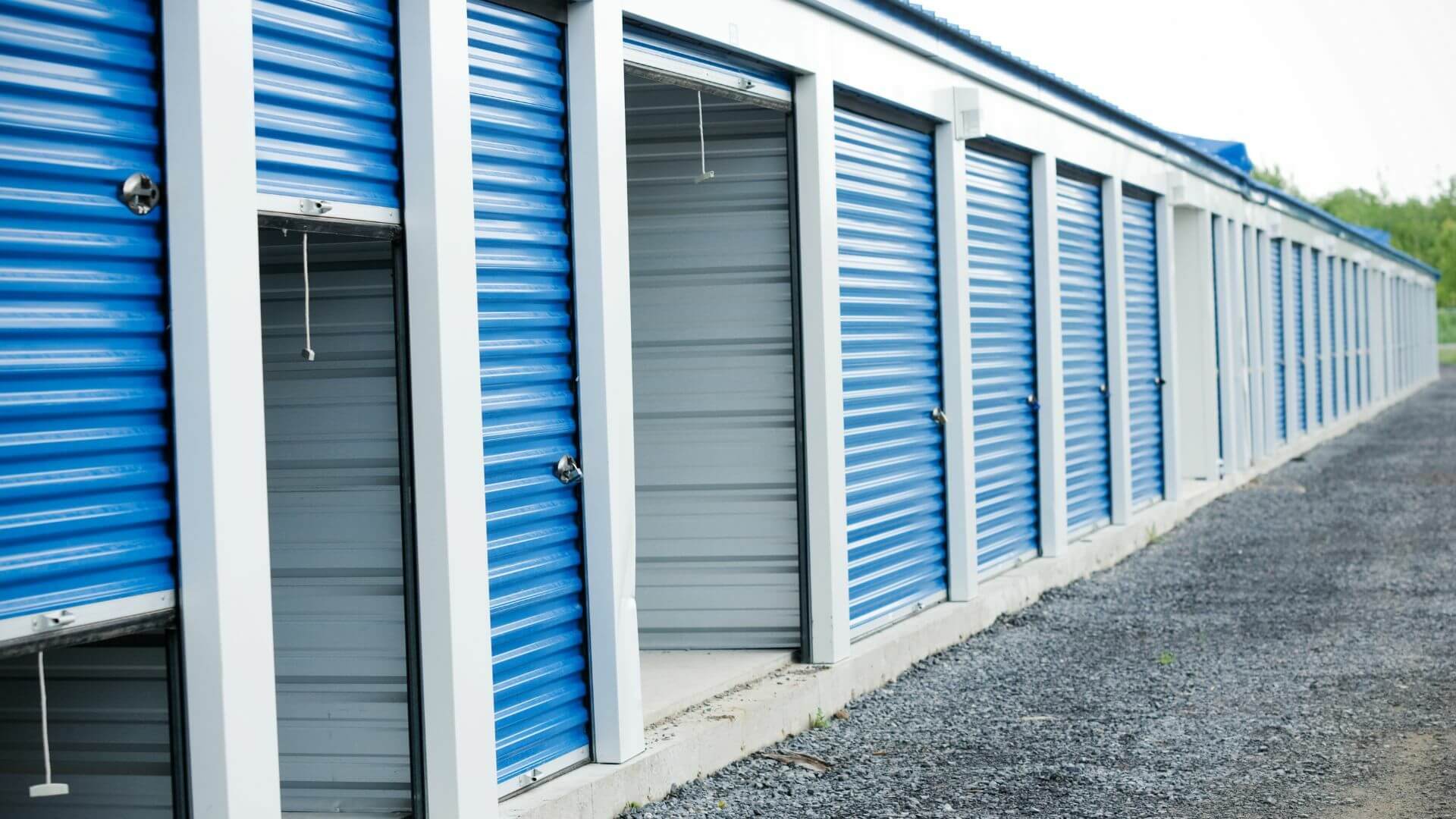
Got a corner of the property doing nothing, or a pole barn that sits half empty all winter? Tractors, boats, campers, the neighbor’s spare trailer: there’s often somebody nearby looking for a dry, safe spot to park something between seasons.
Pricing is local. Inside or outside, how big the spot is, and how many other places nearby rent space all move the number, so call a few storage lots in the area and ask what they get. If a tractor or skid steer sits in your shed most of the month, renting it out by the day or week is another option, though you’ll want to ask your insurance agent who’s covered when somebody else is running your equipment.
4. Orchards and Specialty Crops
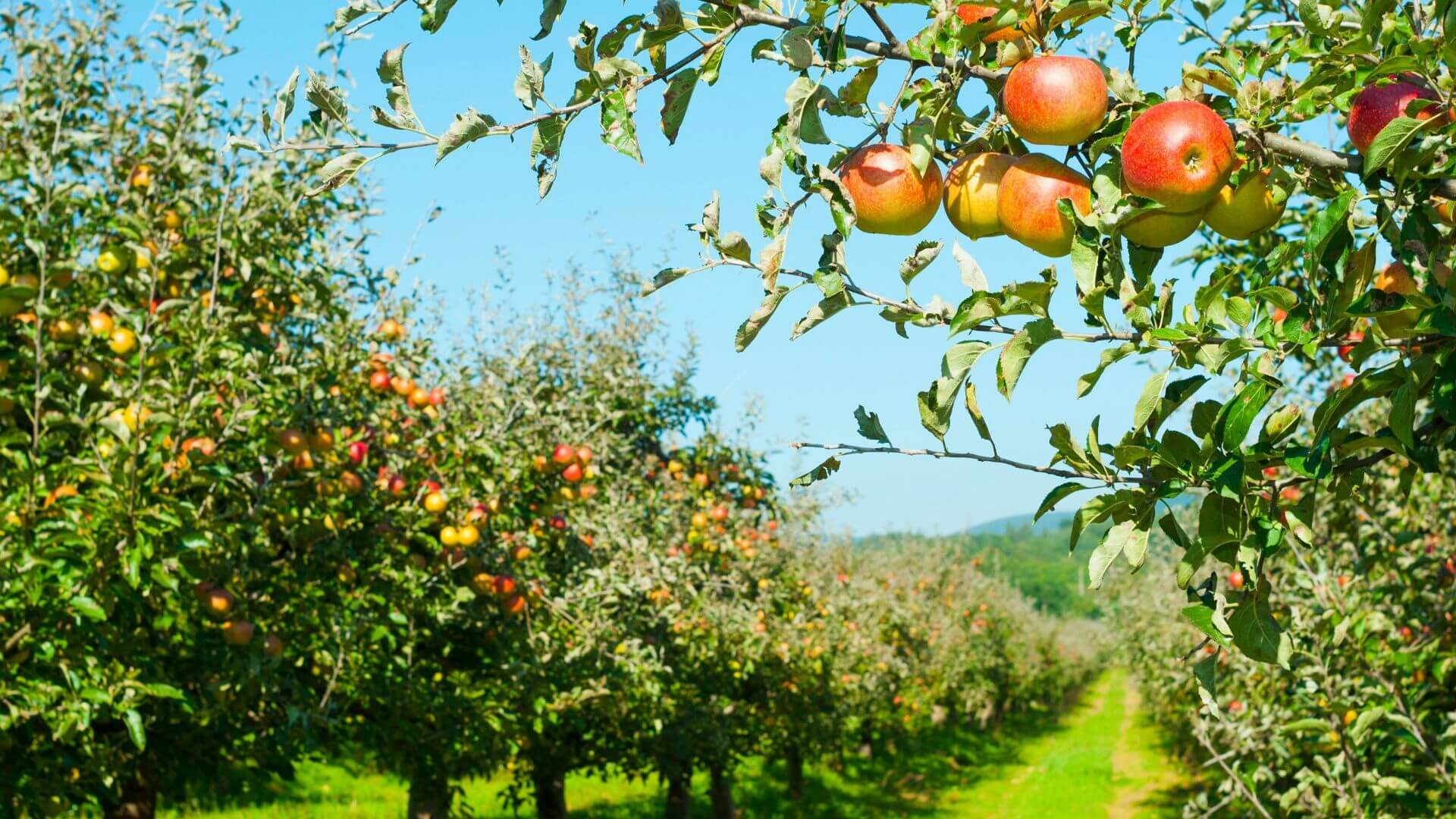
Michigan is a big fruit state (think apples and cherries, plus peaches in some spots), and an orchard is a long game. Young trees take years to bear, so plan on putting money in for a good while before you see much fruit. Once they’re producing, though, an orchard can earn for decades.
U-pick is half farming and half hosting. Families drive out on a September Saturday, the kids eat about as many apples as they bag, and what people are really paying for is the afternoon. If you’d rather not deal with crowds, sell by the bin to grocers, co-ops or a distributor, or turn the fruit into cider, pies or jam. Startup is the catch. You’ll need trees, irrigation, soil work and fence, and the fence isn’t optional, because the same deer you might lease to hunters will browse young trees down to sticks.
5. Barn Venues and Event Rentals

Got a barn with good bones, or a spot where one could go? People book barns for weddings, company get-togethers and family reunions, and the open weekends can go to showers or a photographer who wants old wood behind a senior picture.
Venue fees vary a lot with what’s included, so price yours against other barns in your part of the state. What you collect is gross, and bathrooms, insurance, parking, cleanup and repairs come out of it. Add zoning, building inspectors, health rules and maybe a liquor license. It can pay, but it’s the most hands-on idea on this list, and your weekends stop being yours.
6. Short-Term Vacation Rentals (Cabins or Barn Conversions)
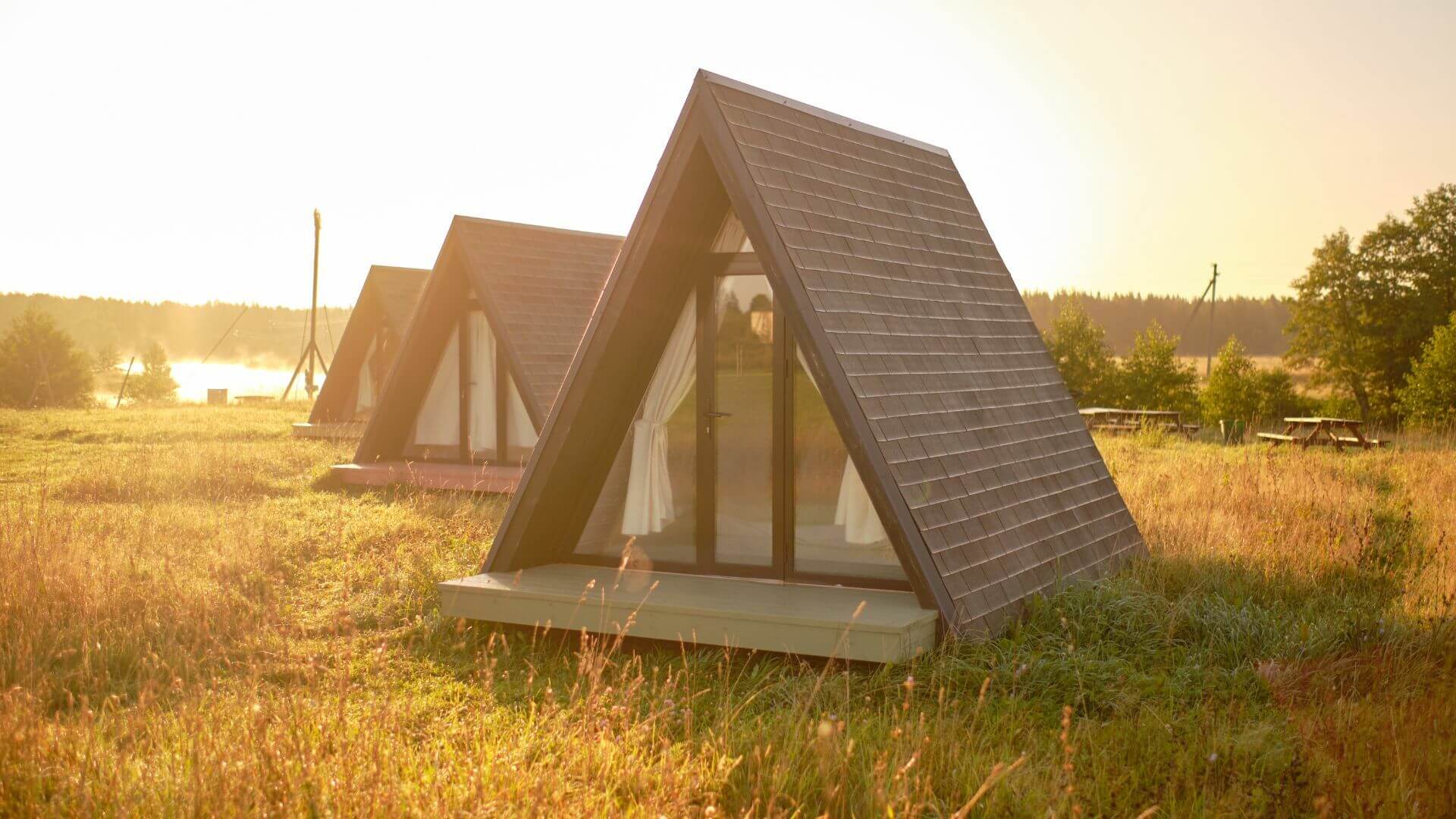
How about a cabin for weekenders? Start with one. A booking site handles the reservations, and between automatic messages and a keypad lock with a code you text the guest, plenty of hosts never shake a guest’s hand.
Look up what similar cabins near you charge a night; that’ll tell you more than any statewide average. But before a single footing gets poured, ask the township what zoning allows and whether they’ve got short-term rental rules, because it varies from one township to the next. After that comes the budget for a well, septic, power, and all the little things guests manage to break over a few seasons.
7. “Layering” Multiple Income Streams
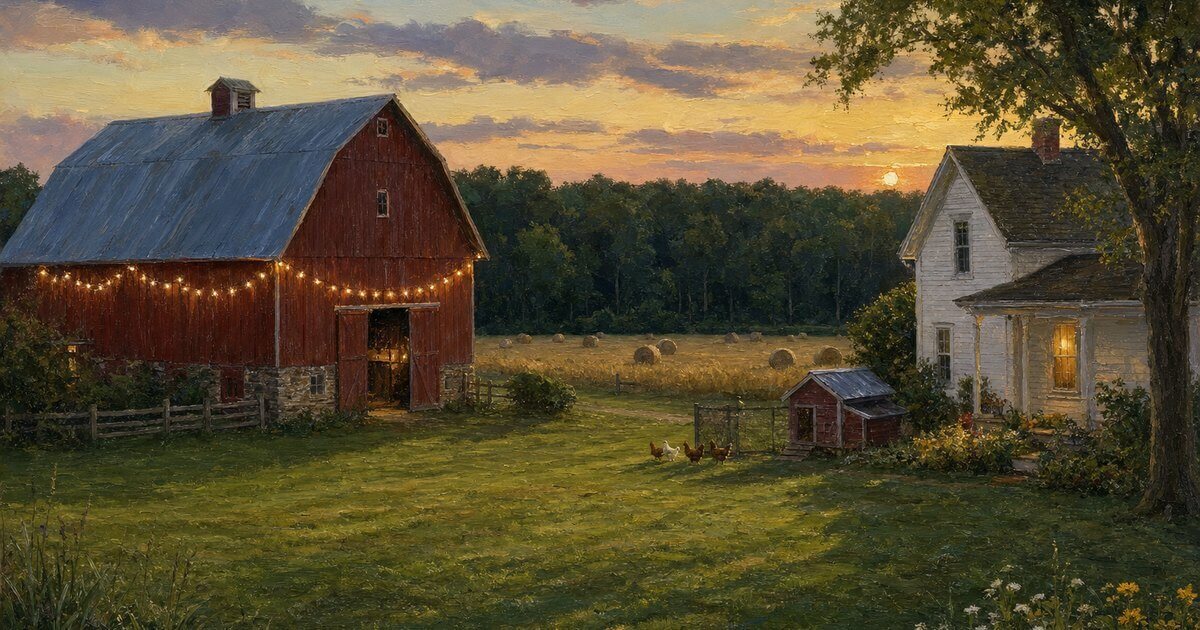
Plenty of owners mix a few of these. Picture a parcel where a hunting group leases the back woods for the fall, hens run in a coop up by the house, and the old barn hosts summer weddings. If the deer have an off year in your area, the egg money and the barn bookings take some of the sting out of it. The trick is keeping the pieces from stepping on each other, since a wedding party and a bowhunter don’t belong on the same October Saturday, so write the lease to spell out which weekends and which parts of the property the hunters get.
Financial Considerations and Creative Financing
Lots of folks assume land has to be bought with cash. Cash makes negotiating easier, sure, but you’ve got other choices. Plenty of Michigan banks and credit unions do land loans, and once in a while a seller will carry the paper themselves, which sometimes gets you in with less down. If what you’ve got in mind is a farm or some kind of rural business, USDA has loans and grants worth asking about, just know each one comes with its own eligibility rules.
Once money starts coming in, keep the lease checks apart from the egg money and the venue fees so you can tell which one is really earning after expenses. And be careful about changing how the land’s used, because that can change how it’s taxed or knock out a tax break you’re counting on, so a Michigan CPA and the assessor should hear about it first.
Important Steps Before You Buy
Walk it before you buy it, and pay attention to the deer trails, where the water is, and what shape that barn roof is in. Ask the township flat out if hens, a hunting lease or two rental cabins would fly, and set money aside beyond the price for soil tests, septic, fence and maybe irrigation. Land brokers, the township office and Michigan State University Extension get farm and zoning questions every day, so ask. If you haven’t bought rural ground before, here’s how buying land in Michigan works, step by step.
Conclusion: Making Michigan Land Pay Its Way
You don’t have to do everything at once, and you probably shouldn’t. Try one seasonal lease, or a flock of hens, or a single cabin, and you’ll find out pretty fast if you like playing landlord, farmer or host, and what the township is going to let you get away with. Get the first one running the way you want before you add the next, and check the township, your insurance and your tax situation each time you do.
If you’d like help finding a property that fits the income plan you have in mind, the experienced local brokers at Michigan Whitetail Properties know Michigan’s rules and work with buyers on farmland, hunting land and recreational land.