Michigan’s quiet period runs November 10 through November 14, the five days right before the regular firearm deer opener on November 15. During that stretch you can’t carry afield or transport any rifle, rimfires included, or a shotgun if you’ve got buckshot, slugs, ball loads or cut shells with you. It applies statewide, on public land and private land alike.
Most hunters here know the quiet period exists. Fewer could tell you exactly what it covers, and that’s where the camp arguments start, usually over whether the old .22 can ride along for a squirrel or two. What follows is the rules first, then some thoughts on how to use the week, whether you’ve sat through a pile of openers or you’re taking a kid out for the first time.
Why Michigan has a quiet period before firearm season
The DNR’s regulations summary lays out what you can and can’t do that week, but it doesn’t offer a reason for the rule. So the reasons you’ll hear come from hunters themselves. Fewer guns in the woods means less shooting and less traffic on the two-tracks, and a lot of hunters figure the deer have settled down some by the time opening morning rolls around. Whether that holds on your ground or your neighbor’s, nobody can prove, but plenty of people believe it.
For many families it’s also simply part of how November goes. One guy hauls the propane tanks up north, somebody else finally gets around to that busted rung on the ladder stand, and after that it’s mostly cribbage and waiting on the fifteenth.
What’s legal that week and what isn’t
The rules are short. They’re also specific, and the specifics are what trip people up, so read them before you head out after anything that week, rabbits included.
Restrictions on Firearm Possession and Transport
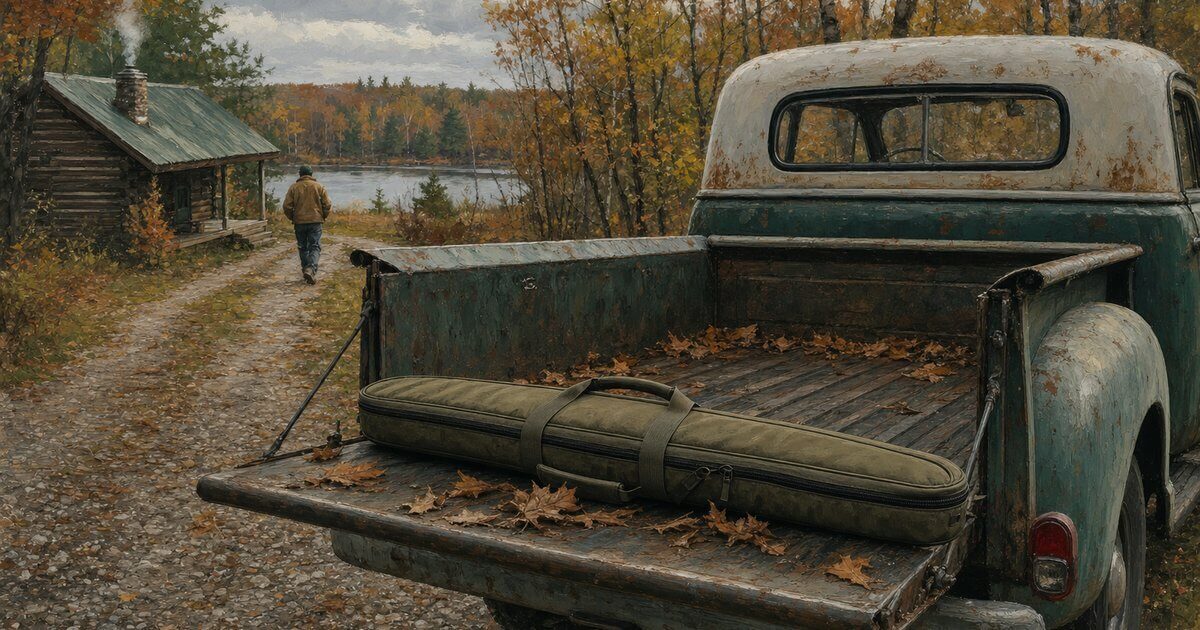
From Nov. 10 through Nov. 14 you can’t carry afield or transport any rifle. That includes rimfires, so the .22 stays in the safe. Shotguns are restricted too, but only if you have buckshot, slugs, ball loads or cut shells with you.
There are two exceptions worth knowing. You may transport a firearm to your deer camp or to a target range as long as it’s properly transported (unloaded, and in a case or the vehicle trunk). You may also target shoot on your own property, provided you aren’t trying to take game. That second one is handy if your scope took a knock and you’d like to check it on your own ground before the opener.
What Is Still Allowed
Small game hunting with a rifle is out for the week, .22 or otherwise, so the squirrel, rabbit, raccoon and coyote hunters who carry rifles will have to wait. A shotgun can still go afield if there’s no buckshot, slug, ball load or cut shell anywhere on you, which leaves room for anyone who’s carrying ordinary shot.
Bowhunting keeps going. Early archery season runs Oct. 1 to Nov. 14, so it’s open the entire quiet period, and those last few sits before the gun crowd shows up can be good ones.
Prohibited Areas for Firearm Use
There’s no corner of the state where the quiet period doesn’t apply. It’s statewide, and the same rules cover public land and private land, so owning the ground doesn’t loosen anything beyond the target shooting allowance above. The Limited Firearms Deer Zone was eliminated this year, and since other things shifted too, it’s worth reading what changed in Michigan’s 2026-27 deer regulations before opening day.
How the quiet period affects deer behavior

Does five days without rifles in the woods actually change how deer act?
A lot of hunters think it does. Deer notice people, and when there’s steady foot traffic they tend to slide back into the thick stuff and get harder to pattern. With fewer people carrying guns around that week, many hunters believe the deer are moving on something closer to their normal routine by the time the gun opener comes.
Nobody’s handing out proof on that, and your results will depend a lot on what the neighbors are doing and where the does are bedding. Still, if the woods around you see less pressure for a few days, it’s hard to see how that would hurt your odds on the morning of the fifteenth.
Tips for preparing during the quiet period
So what do you do with five days and no rifle? Quite a bit, and most of it pays off when you’re finally sitting in the stand on November 15.
Scouting and monitoring deer patterns
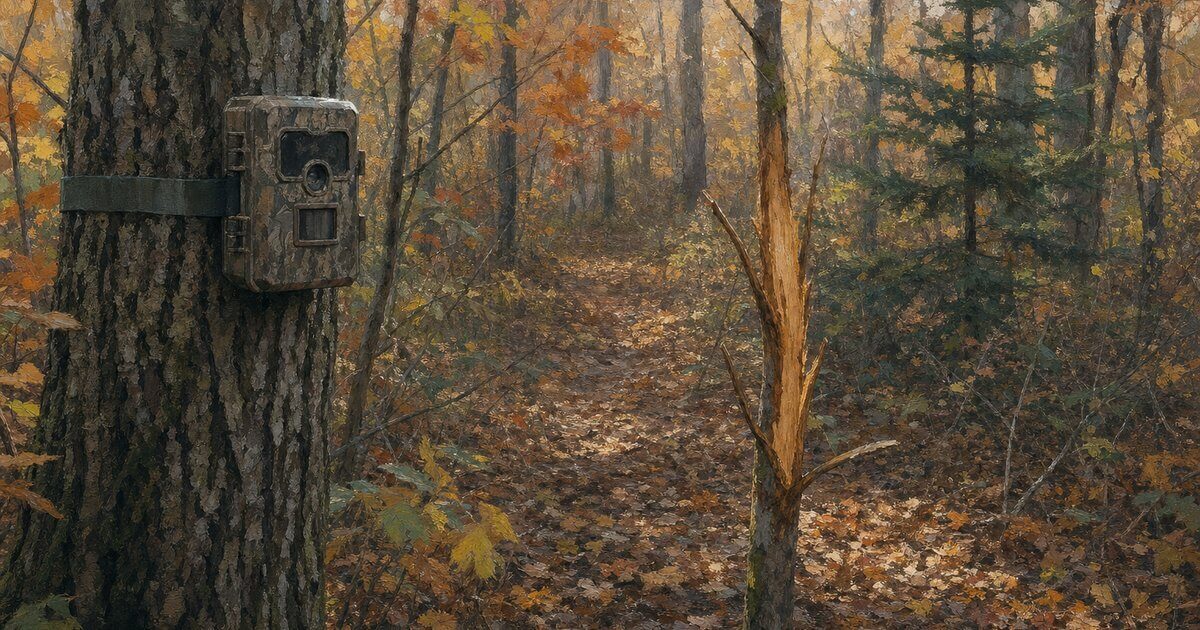
Midday is a decent time to swap camera cards, since you’re less likely to blow deer out of where they’re resting. After that, walk the field edges with empty hands (you can’t carry the rifle anyway) and see which trails look beat down. If you’re finding fresh rubs and scrapes, the bucks are cruising, and that usually settles the argument over who gets the good stand opening morning.
Keep the walking light, though. Clomping through a bedding area on Thursday afternoon can undo whatever calm the week bought you.
Finalizing your gear
Wipe down the gun, throw a spare box of shells in the pack, and try on the bibs, which may have mysteriously shrunk since last season. Then climb into every stand once. A frayed strap you find on a Wednesday afternoon is a small annoyance, but that same strap in the dark on the fifteenth is a real problem.
Having the safety talk
Pick one night over supper and have the safety talk, and keep it short or nobody will listen. Go over who’s sitting where, which directions are off limits for shooting, and how everyone’s getting to their stand in the dark. Hunter orange, shooting hours and tagging belong in that conversation too, but don’t try to recite them from memory. Pull up the 2026 Michigan deer hunting regulations and season dates and read the current rules together so nobody’s guessing in the field.
What the five days mean to camps and families
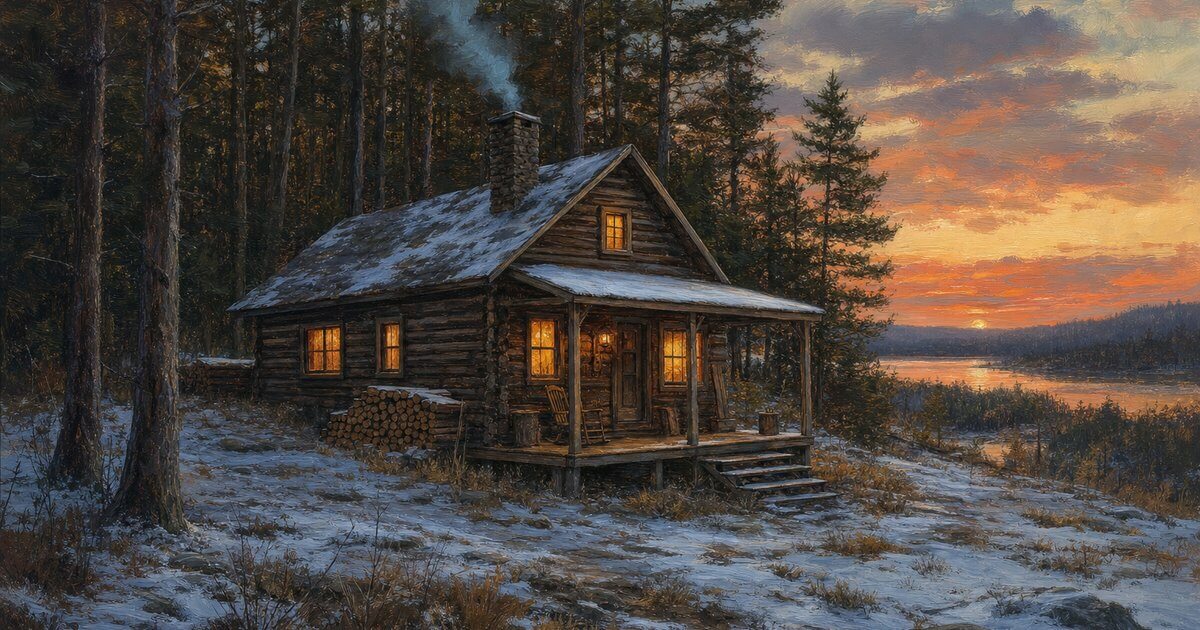
For a lot of Michigan families, the quiet period is as much tradition as regulation. The camp fills up, the coffee pot runs all day, and the plan for opening morning gets argued over one more time at the kitchen table.
Giving the woods a breather
Hunters often describe the week as a small break for the deer right before the busiest stretch of the fall. Whether it makes any measurable difference is anyone’s guess. For most people at camp, the bigger payoff is a few days to slow down and get the details right.
Making opening day an occasion
It also turns the fifteenth into an event. Five days of waiting builds the anticipation, and plenty of hunters swear they see more deer when the guns finally come out. Some of that might be the deer. Some of it is probably a camp full of people who’ve been itching to get out there all week.
Making the most of the wait
It’s five days, and they go fast. If you scout a bit, fix the stuff that broke last year and get through the safety talk, opening morning is mostly coffee and a walk in the dark.
Before you load the truck, though, read the rules one more time, because that week the rifle shouldn’t be riding anywhere unless it’s unloaded and either cased or in the trunk, and on its way to camp or a range. Then enjoy the evenings at the table. The fifteenth shows up whether you’re ready or not.