Most sellers call us in April.
The best listings? They were ready in February.
And no—this isn’t about “staging” land like a house. This is value protection and buyer-confidence prep—the kind that prevents ugly surprises once spring showings start rolling.
Here’s why February matters so much in Michigan:
-
Frozen ground = easier access. You can reach spots that will be impassable during thaw without tearing things up.
-
Leaf-off visibility. You can actually see your topography, trails, timber edges, and boundary evidence.
-
Time buffer. If we discover a culvert issue, a boundary confusion, or a title/easement question, you still have time to fix it before buyers show up with opinions.
If you’re thinking “I’ll deal with it when the snow’s gone,” you’re not alone. But it’s also the #1 reason spring listings feel rushed—and why some sellers end up negotiating against problems they didn’t even know they had.
(Friendly disclaimer: This article is practical guidance from the field, not legal, tax, or forestry advice. For surveys, taxes, timber harvest, and invasive control, consult the appropriate pros.)
The Big Mistake Sellers Make: Waiting Until the Snow Is Gone
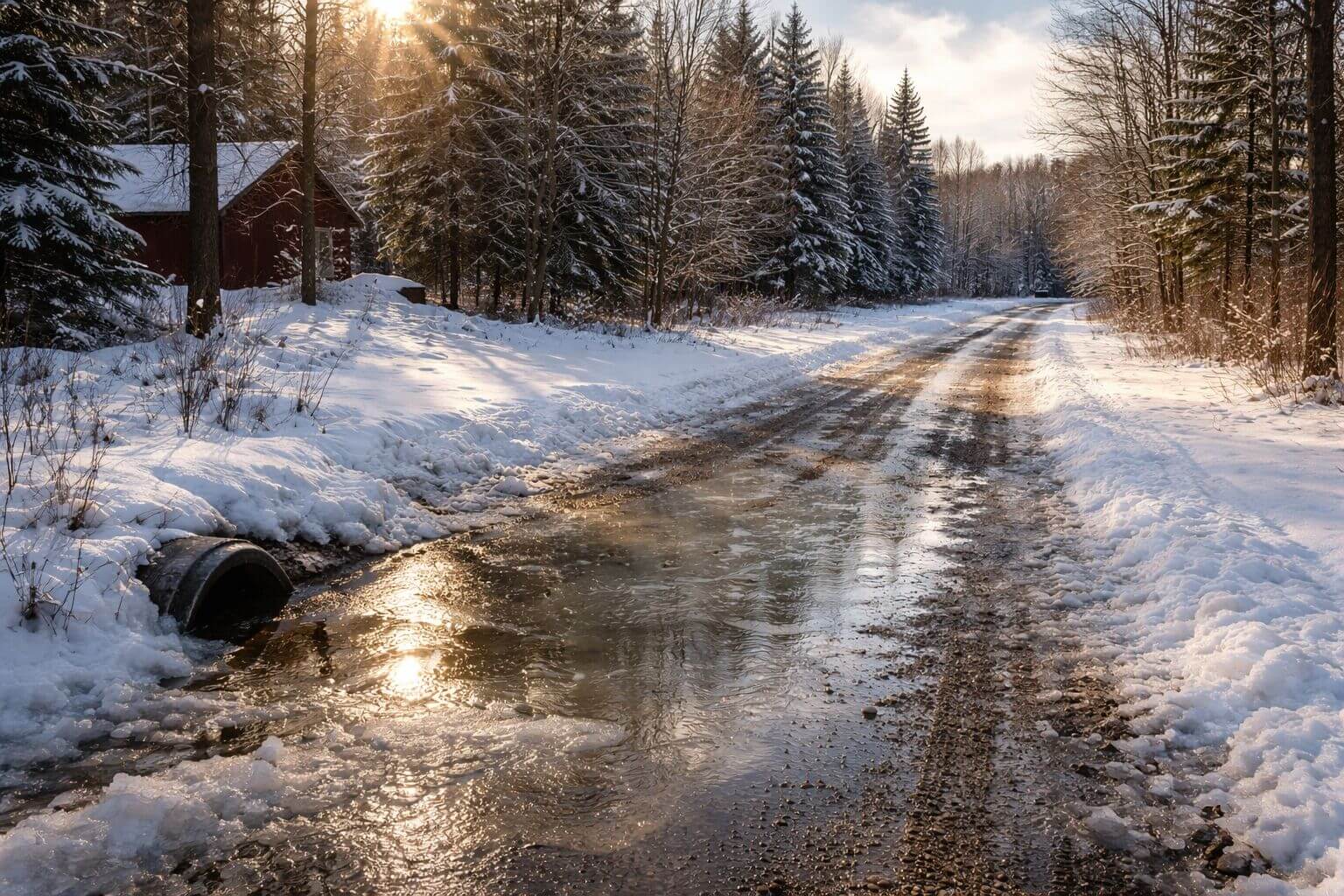 Spring feels like the natural time to list land in Michigan. But spring also brings the exact conditions that expose weak prep:
-
Rushed listings (photos, mapping, details, and pricing done too fast)
-
Missed fixes (roads, washouts, gates, trail pinch points)
-
Poor media (mud season doesn’t photograph like a dream)
-
Access surprises (“We can’t get the truck in there today…”)
And here’s the part most people underestimate:
First impressions form before a buyer ever steps foot on the land.
Your buyer’s confidence starts online—then gets confirmed (or crushed) in the first 10 minutes on site:
-
Can we get in easily?
-
Can we navigate the property without a machete?
-
Do the boundaries make sense?
-
Does the land “feel cared for”?
February prep is how you control that story.
Step 1: Roads, Driveways, and Access — Fix What Buyers Will Judge First
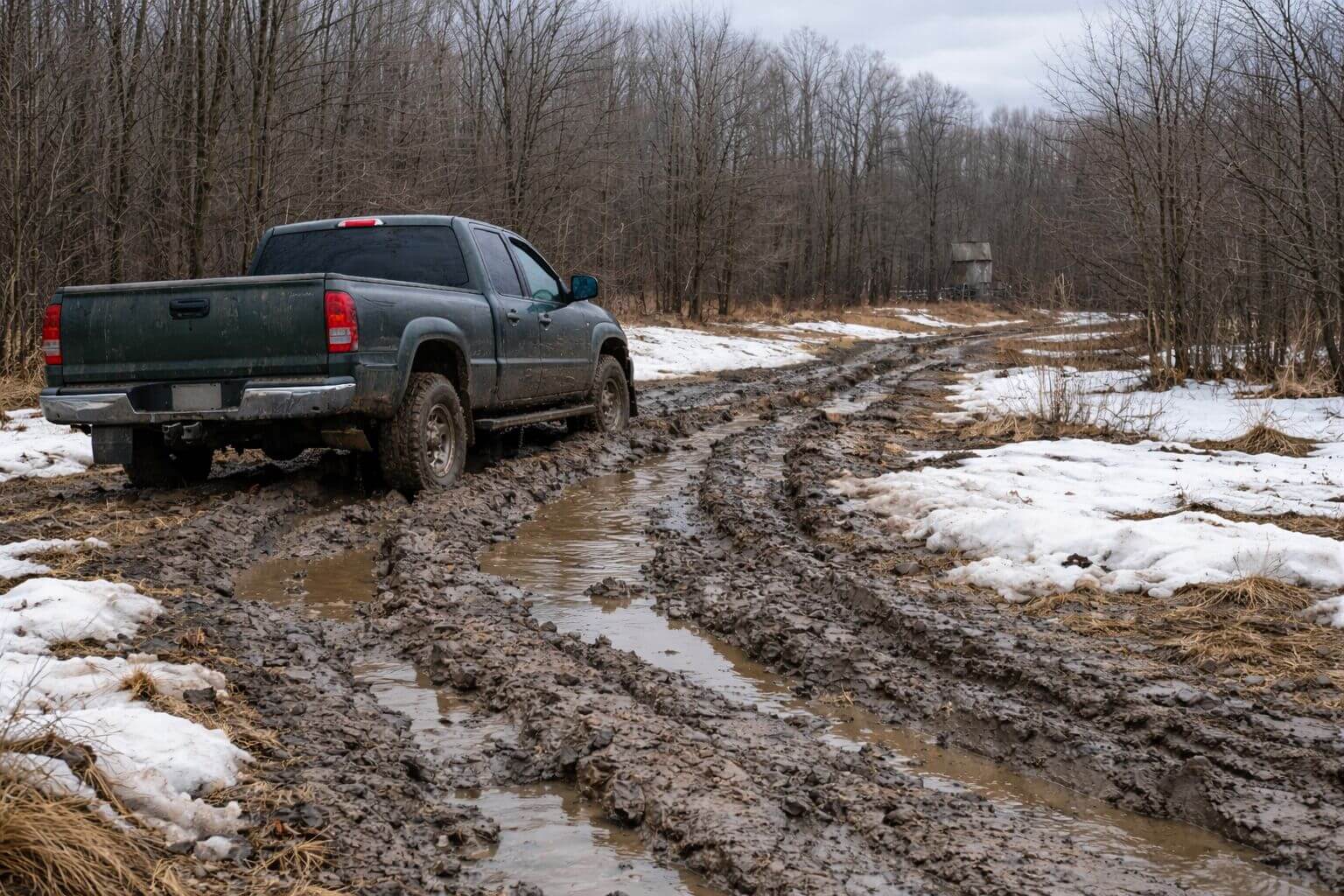 Access is never “just access.” To buyers, access is a risk indicator.
If the entrance is rough, the road is questionable, or the driveway is a mystery during thaw, buyers start mentally subtracting money—fast.
Seasonal Access vs. Legal Access
Two phrases sound similar but live in totally different worlds:
-
Seasonal access: “You can usually get in… except when you can’t.”
Think thaw, heavy rain weeks, or drifted snow. -
Legal access: deeded frontage, recorded easement, or documented right-of-way.
In Michigan, mud season is the great truth serum. A two-track can look fine when frozen, then become a axle-eating sponge as frost comes out. Michigan county road agencies even manage seasonal weight restrictions (“frost laws”) because late-winter thaw weakens roadbeds.
Seller tip: if you’re planning gravel, culvert work, or any heavier equipment movement, February is often your easiest window before thaw and restrictions complicate timing.
February Fixes That Pay Off
You don’t need a new highway. You need clean, confident access:
-
Culverts: clear, replace crushed ones, correct obvious undersizing.
-
Washouts / low spots: address the spots buyers will notice first (usually within the first 200 yards).
-
Trimming for visibility: open up tight corners, improve sight lines at the entrance, and reduce “tunnel” feel.
-
Gate placement: set gates where trucks/trailers can pull off safely without blocking the road or needing a 19-point turn.
MWP field truth: Buyers forgive rustic. They don’t forgive sketchy. When access feels uncertain, offers get cautious.
Step 2: Trails, Food Plots, and Internal Access
 A great property can show terribly if we can’t move through it.
Clean, Not Perfect
Michigan land buyers—especially hunting and recreational buyers—don’t expect manicured trails like a golf course.
They expect:
-
Navigable routes
-
Logical loops
-
The ability to see and understand the tract
If we can show the best features in an efficient path, buyers engage more, ask better questions, and mentally “own” the land faster.
What to Touch — and What to Leave Alone
In February, the goal is showability without disturbance.
Worth doing:
-
Light trail brushing on key routes (entrance → core areas → water → best cover)
-
Repair obvious crossings (a simple, stable pass is better than a muddy gamble)
-
Remove deadfalls that block the primary loop
Usually not worth doing right before listing:
-
Over-clearing bedding cover
-
Reworking food plot edges aggressively
-
“Big” habitat changes without a plan to explain them
MWP experience: Clean internal access makes showings smoother and helps buyers focus on value instead of fighting briars and blowdowns.
Step 3: Boundary Confidence — Know What You’re Selling
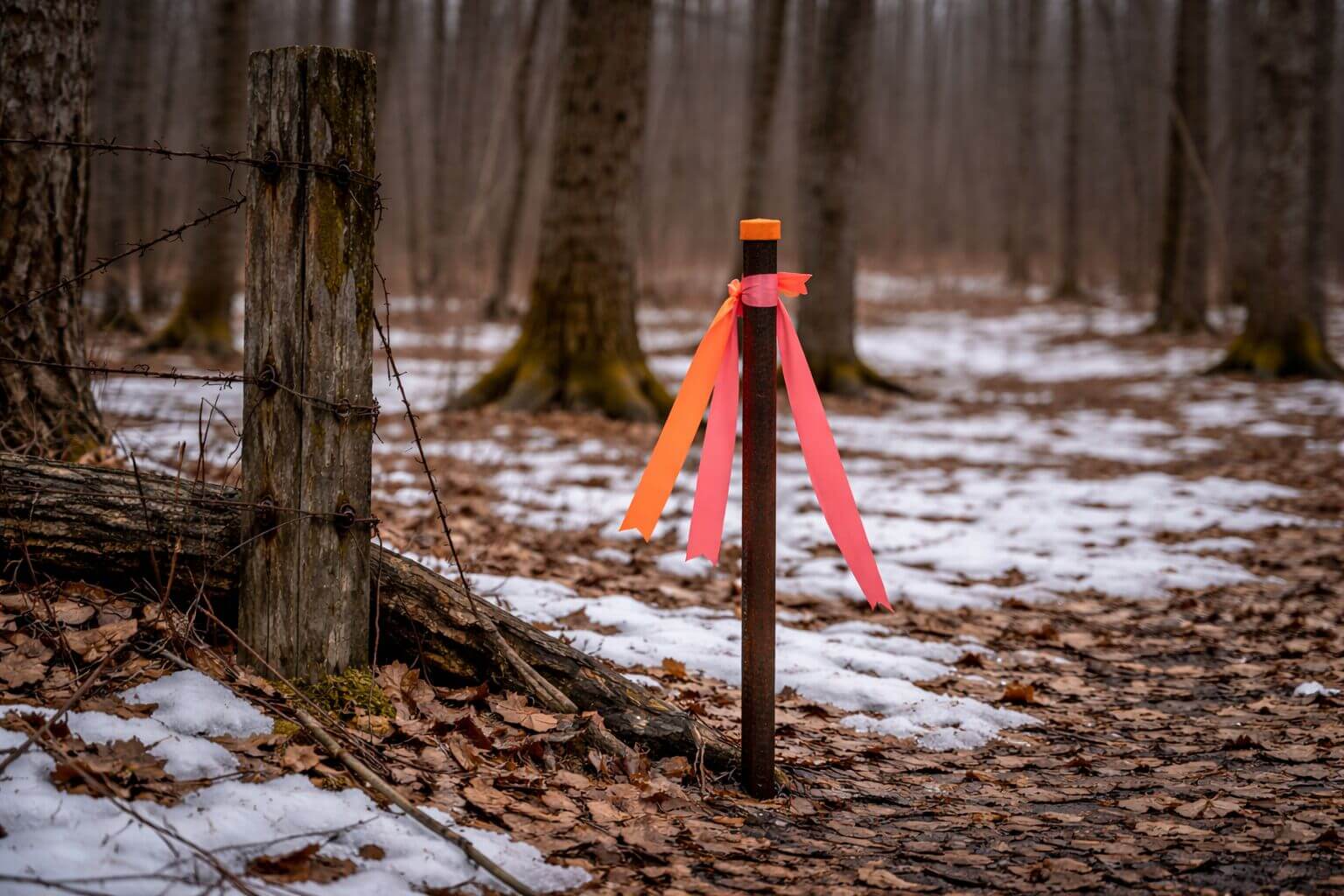 Nothing derails a deal like boundary doubt.
When a buyer hears “It’s approximate,” what they often think is:
-
“So… you’re not sure?”
-
“What else don’t we know?”
-
“How many acres am I actually buying?”
Markers, Corners, and Why “Approximate” Hurts Value
A few practical moves go a long way:
-
Flag corners (and key line changes)
-
Locate old pins/markers if you know where they are
-
Don’t rely on old fences unless they truly match legal lines
-
Use GIS carefully: county mapping tools are helpful, but they’re not a substitute for legal boundary certainty when it matters
When to Consider a Survey (and When Not To)
Surveys aren’t always required, but they can be a power move when:
-
Lines are unclear
-
Neighbor use is close to the edge (trails, cabins, hunting structures)
-
There’s a history of “handshake boundaries”
-
The buyer pool will be more lender-driven
Survey pricing varies wildly by acreage, terrain, and records. National sources commonly cite costs ranging from hundreds to several thousand dollars depending on scope and property complexity.
EEAT angle: Clear boundaries create trust—and trust reduces renegotiations.
Step 4: Timber, Habitat, and “Leave-Behind” Value
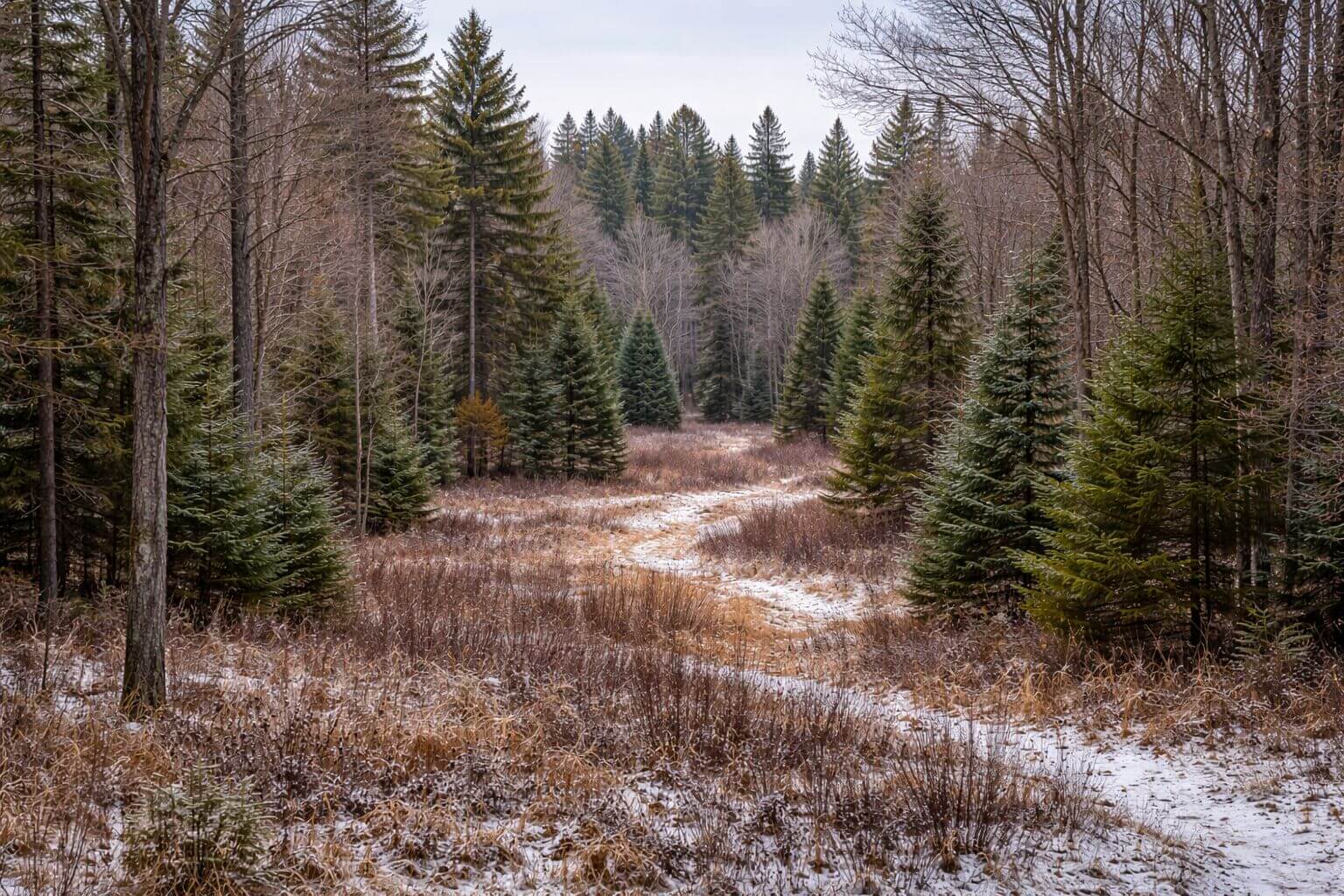 This is where land sellers accidentally step on rakes.
Don’t Log Right Before Listing (Usually)
Can logging increase value? Sometimes—when it’s part of a long-term plan and executed cleanly.
But logging right before listing can backfire because buyers may see:
-
Habitat disruption
-
Messy trails/landings
-
Uncertainty about what’s left
-
A “cash-out” signal
If a timber sale is on the table, we typically talk strategy first: what’s the goal, what’s the timeline, and how will it show?
Smart Habitat Prep Buyers Appreciate
Instead of big disruption, focus on credible stewardship:
-
Address invasive pockets responsibly (and dispose properly—Michigan emphasizes correct handling and disposal to avoid spreading invasives).
-
Document what you’ve done: hinge cuts, screening, plot rotations, stand locations, camera history (without oversharing exact “secret spots” online)
-
If you have a plan, highlight it (forest plan, habitat plan, etc.)
Michigan-specific bonus: If your land is enrolled in (or eligible for) the Qualified Forest Program (QFP), that can matter to certain buyers. QFP is designed to encourage sustainable private forest management and provides an exemption from local school operating millage; applications are due by September 1 for the following year.
(Important: QFP has rules and long-term implications—don’t market it loosely. We present it accurately and connect buyers to the right resources.)
Step 5: Photos and Media — February Is a Secret Weapon
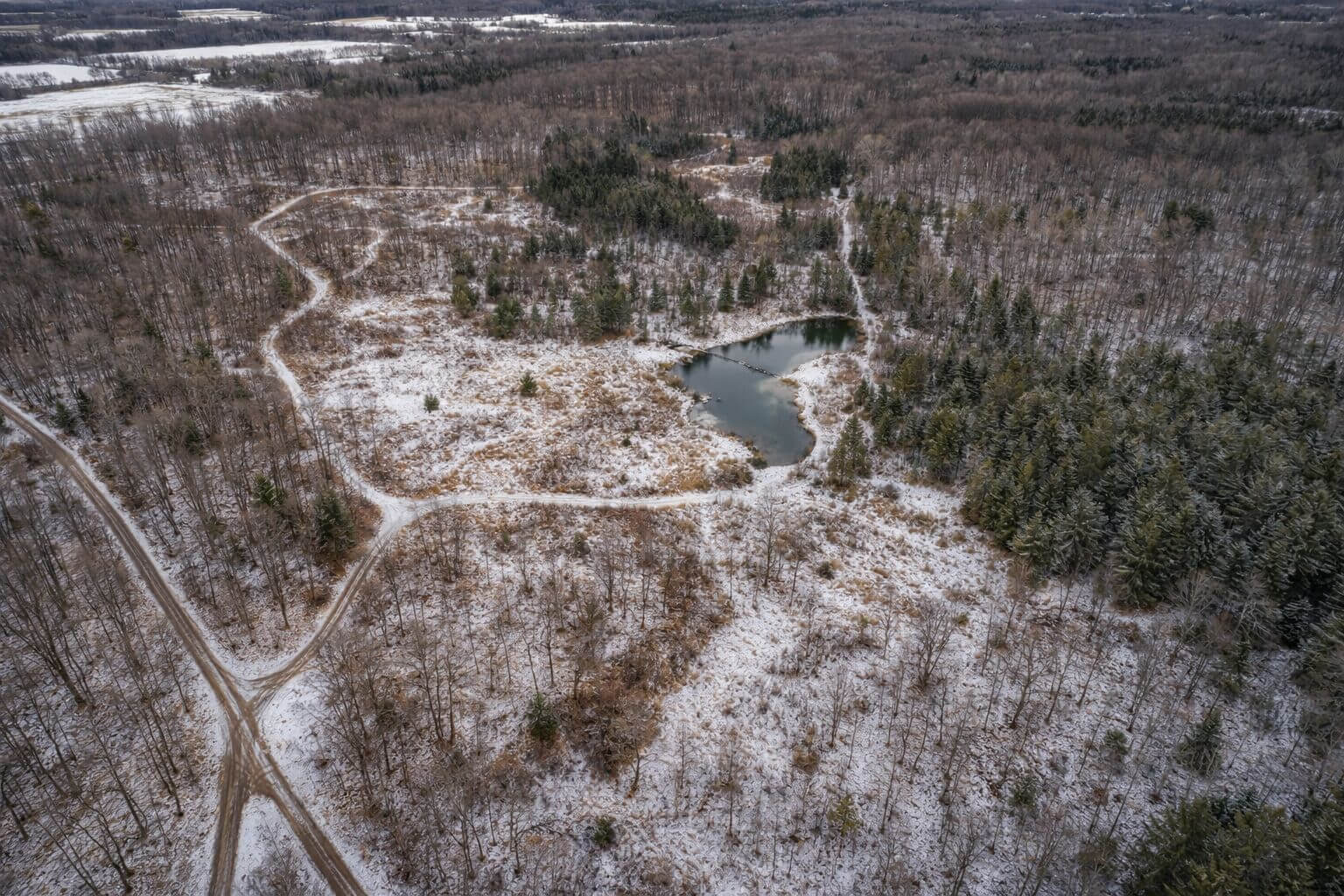 A lot of sellers think, “We’ll wait until everything greens up.”
But February is a quiet advantage—especially for land.
Why Winter Photos Still Matter
Leaf-off photos help buyers understand:
-
Topography (ridges, bowls, benches)
-
Timber diversity (conifer pockets, mast edges, transitions)
-
Access reality (entrances, two-tracks, road conditions)
-
Structures (cabins, barns, pole buildings show clearly)
Winter media won’t replace spring/summer imagery forever, but it can absolutely strengthen a listing—especially when paired with good maps and a smart photo plan.
What Buyers Want to See Online
Land buyers click for features they can understand fast:
-
Roads and driveway entrance
-
Primary trails (a simple loop is gold)
-
Timber types and transition edges
-
Water: creek, pond, swamp edge (and the “dry routes” around it)
-
Neighbor buffers / seclusion
-
Any improvements: blinds, camps, storage, power, wells
MWP advantage: Professional, land-focused photography and mapping upgrades the quality of inquiries—more serious buyers, better questions, cleaner showings.
Step 6: Pricing Prep — The Part Most Sellers Get Wrong
 Pricing land isn’t like pricing a house.
“Spring fever pricing” is real—owners feel the season, see a few big numbers online, and aim high.
Why “Spring Fever Pricing” Backfires
The first weeks of a listing are your leverage window. If you overshoot:
-
You burn early momentum
-
You train buyers to wait you out
-
You risk becoming a “stale listing,” which hurts negotiating power
February Market Data vs. April Emotion
The right way to price is grounded and land-specific:
-
True comparable land sales (not just active listings)
-
Access quality and legalities
-
Wetland/timber mix
-
Build potential (where applicable)
-
Local demand (county-by-county matters—what moves in Lake County doesn’t always match what moves in Washtenaw)
The MWP February Seller Checklist
Access
✅ Confirm legal access (frontage/easement documentation)
✅ Clear entrance visibility (trim pinch points)
✅ Inspect culverts and low spots
✅ Address obvious washouts/ruts
✅ Evaluate gate location and turn-around space
✅ Note seasonal road realities (plowed/unplowed, two-track conditions)
Trails & Internal Navigation
✅ Establish a simple showing loop (main features)
✅ Remove deadfalls on primary trails
✅ Light brush clearing on key routes
✅ Stabilize or clearly route around wet crossings
✅ Avoid major disturbance right before listing
Boundaries
✅ Locate and flag corners
✅ Flag key boundary runs (as needed)
✅ Gather deed/plat/old survey documents
✅ Decide if a new survey is worth it (based on risk/value)
Timber, Habitat, Improvements
✅ Document habitat improvements (food plots, bedding, stands)
✅ Note timber info (species mix, past cuts, management plans)
✅ Address invasives responsibly; plan proper disposal to prevent spread
✅ Gather any program docs (QFP, NRCS plans, etc.)
Photos & Media
✅ Plan winter + spring photo strategy
✅ Capture access, trails, topography, water, timber transitions
✅ Prepare map layers (aerial, topo, soils/wetlands where relevant)
✅ Consider drone imagery for scale and layout
Pricing & Paperwork
✅ Compile tax info and parcel IDs
✅ List known easements/leases (farm, hunting, timber, oil/gas if applicable)
✅ Identify excluded items (stands, blinds, equipment)
✅ Review comps with a land specialist (avoid “spring fever pricing”)
Why Sellers Who Prepare Early Sell Faster — and Cleaner
 When February prep is done right, a listing tends to feel “clean” to buyers:
-
Fewer surprises during showings
-
Stronger offers (less risk discounting)
-
Cleaner negotiations (fewer retrades)
-
Better buyer confidence (and confidence brings action)
In plain terms: prepared land sells like it’s been cared for.
How We Help Michigan Landowners Prepare the Right Way
 At MWP, we’re not interested in giving you a “to-do list” that wastes money.
We help you prep with a field-first approach:
-
Walk-the-land evaluations (what matters, what doesn’t)
-
Pre-listing strategy (timing, access plan, media plan)
-
Local buyer expectations (by region—U.P., Northern LP, Southern ag interface, etc.)
-
No-pressure guidance so you only tackle improvements that protect value
If you’re even thinking about listing this spring, February is the month to get ahead of it.
February Prep Is the Difference Between “For Sale” and “Sold”
Michigan land doesn’t sell because it’s “pretty.” It sells because buyers feel confident:
-
confident they can access it,
-
confident they understand it,
-
confident they’re paying the right price for the right property.
February is when you build that confidence—before mud season, before leaf-out hides the details, and before spring urgency forces rushed decisions.
Soft next step (no pressure)
If you want a second set of eyes, reach out and we’ll talk through a February prep plan that fits your land and your goals.