After walking thousands of acres of Michigan ground with buyers and sellers, we’ve seen firsthand why some properties are buzzing with deer activity… and why others stay frustratingly quiet. And in nearly every case, deer density comes down to one thing:
Habitat balance — specifically food, cover, and water.
Not just having these features, but having them arranged in a way that makes sense for how deer live, move, and survive in Michigan’s climate.
This field guide breaks down the land features that increase deer density so you can better evaluate your own property — or understand what to look for when buying land in Michigan.
Why Deer Density Matters for Landowners, Hunters & Buyers
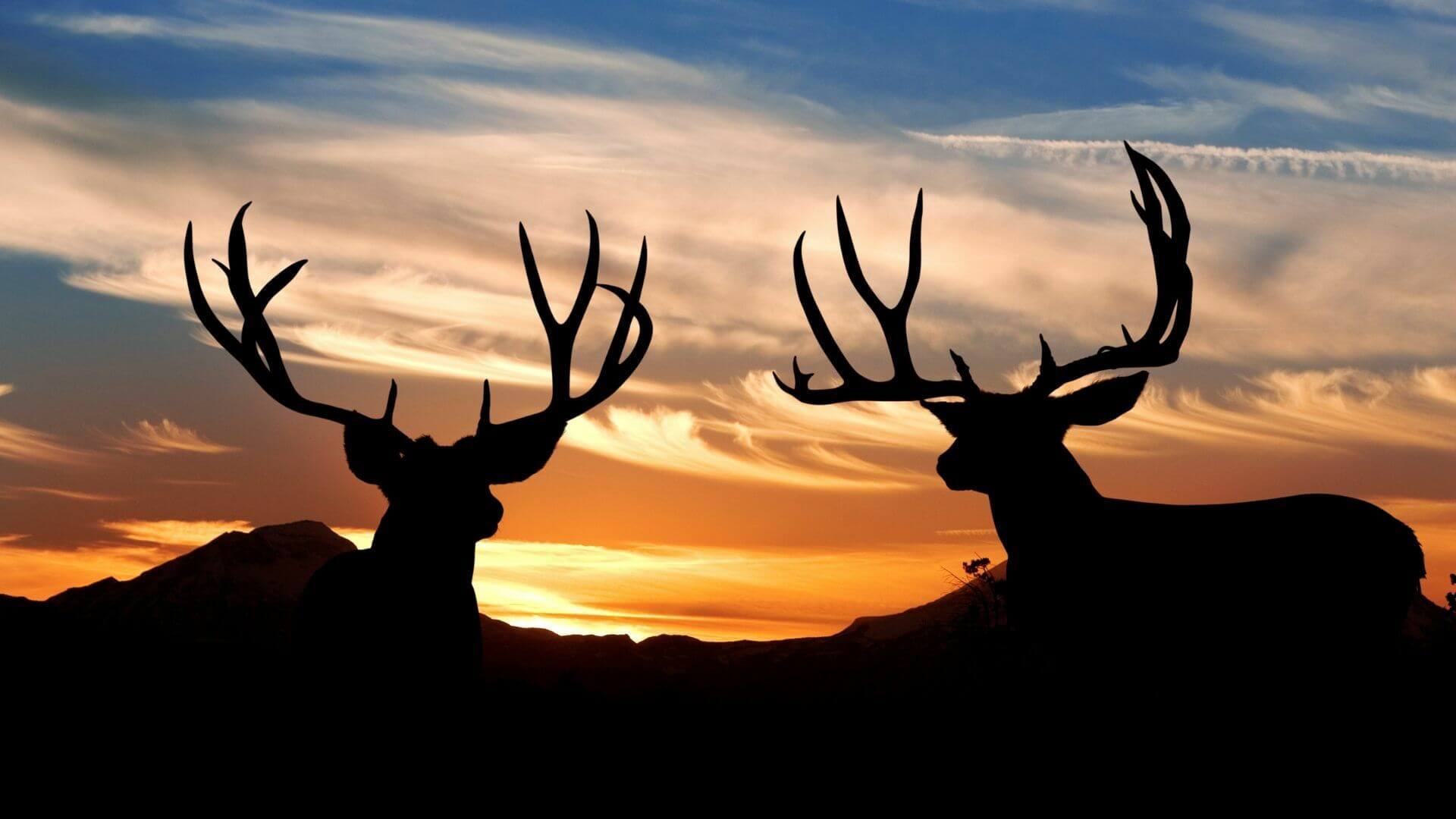 Deer density isn’t just a wildlife metric — it’s a land-value driver.
High deer density often leads to:
- More consistent deer sightings
- Better hunting quality
- Stronger herd health
- Increased property desirability
- Higher resale value for recreational land
When we tour a piece of land with clients, deer density is often one of the first things they ask about. Properties with the right mix of habitat features routinely command more attention — and better offers.
The Big Three Habitat Pillars: Food, Cover & Water
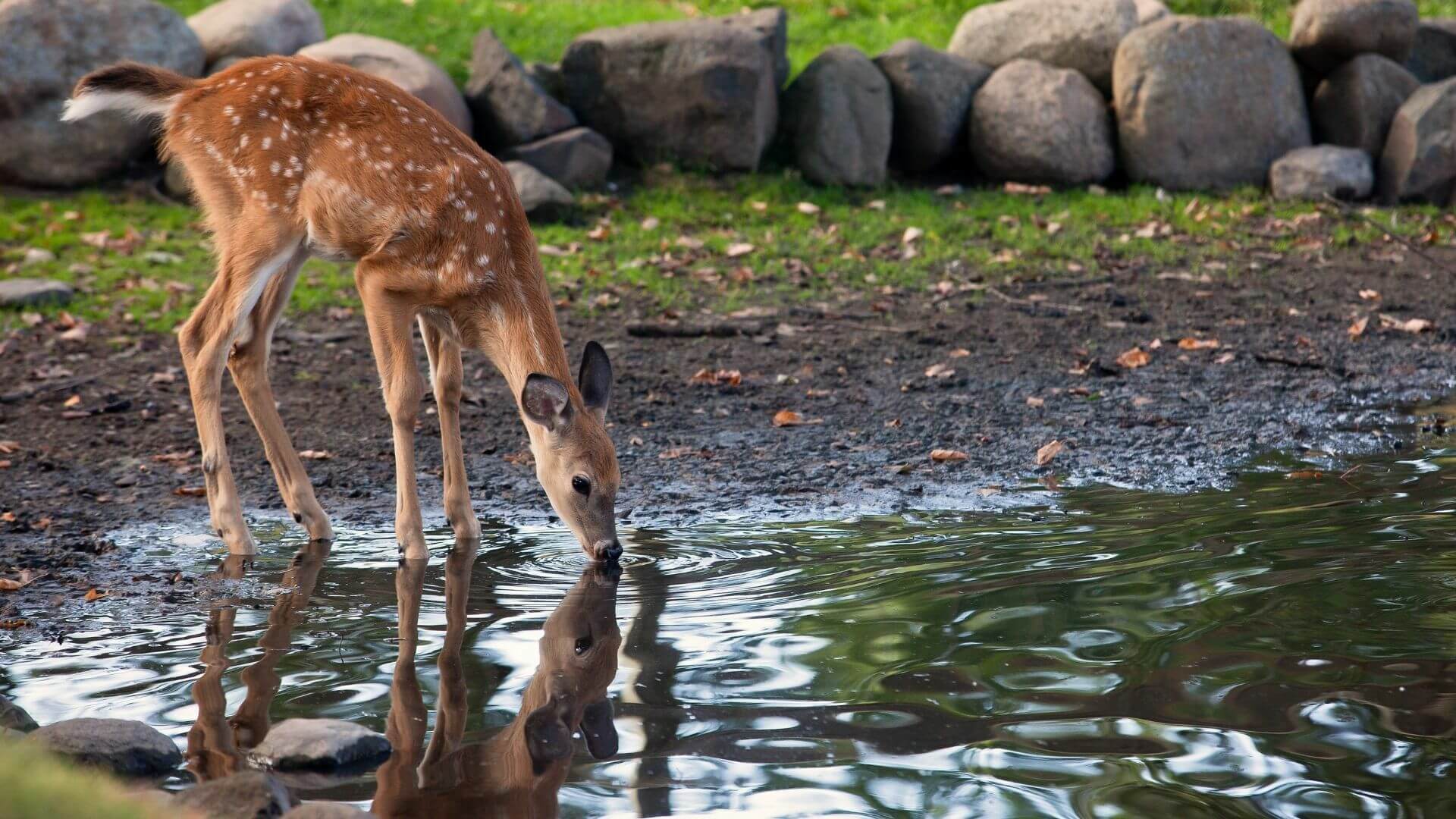 Deer choose where to spend their time based on survival. That survival depends on:
1. Quality Food
2. Safe, Diverse Cover
3. Usable Water
When those three features exist close together, deer density increases. When one is missing or poorly positioned, deer may spend their time elsewhere.
Let’s break each element down.
Feature #1 — Food: Natural Forage + Thoughtful Food Plots
Food is the most visible habitat feature — and often the most misunderstood.
What Quality Food Looks Like
Michigan’s deer rely heavily on:
- Young forest regeneration
- Native browse (dogwood, maple, aspen sprouts)
- Forbs and wild greens
- Acorns and hard mast
- Apples, berries, and soft mast
Properties with diverse natural forage tend to hold deer more consistently than properties relying only on agricultural fields.
Food Plots: A Useful Tool When Done Right
 Many landowners choose to plant food plots, and when placed strategically, plots can absolutely increase deer use.
Key characteristics of effective food plots:
- Close proximity to cover
- Varied plantings for multiple seasons
- Accessible, low-pressure locations
- Soil-tested and maintained for healthy growth
We regularly walk properties where food plots are positioned far from cover in big open fields — and those plots rarely see daylight use. Placement matters just as much as what’s planted.
Common Mistakes Landowners Make
- Planting food plots too far from security cover
- Relying solely on food without improving bedding
- Ignoring soil and site conditions
- Overvaluing large plots instead of strategic ones
Food attracts deer — but food alone rarely holds them. For that, they need cover.
Feature #2 — Cover: The #1 Predictor of Deer Density
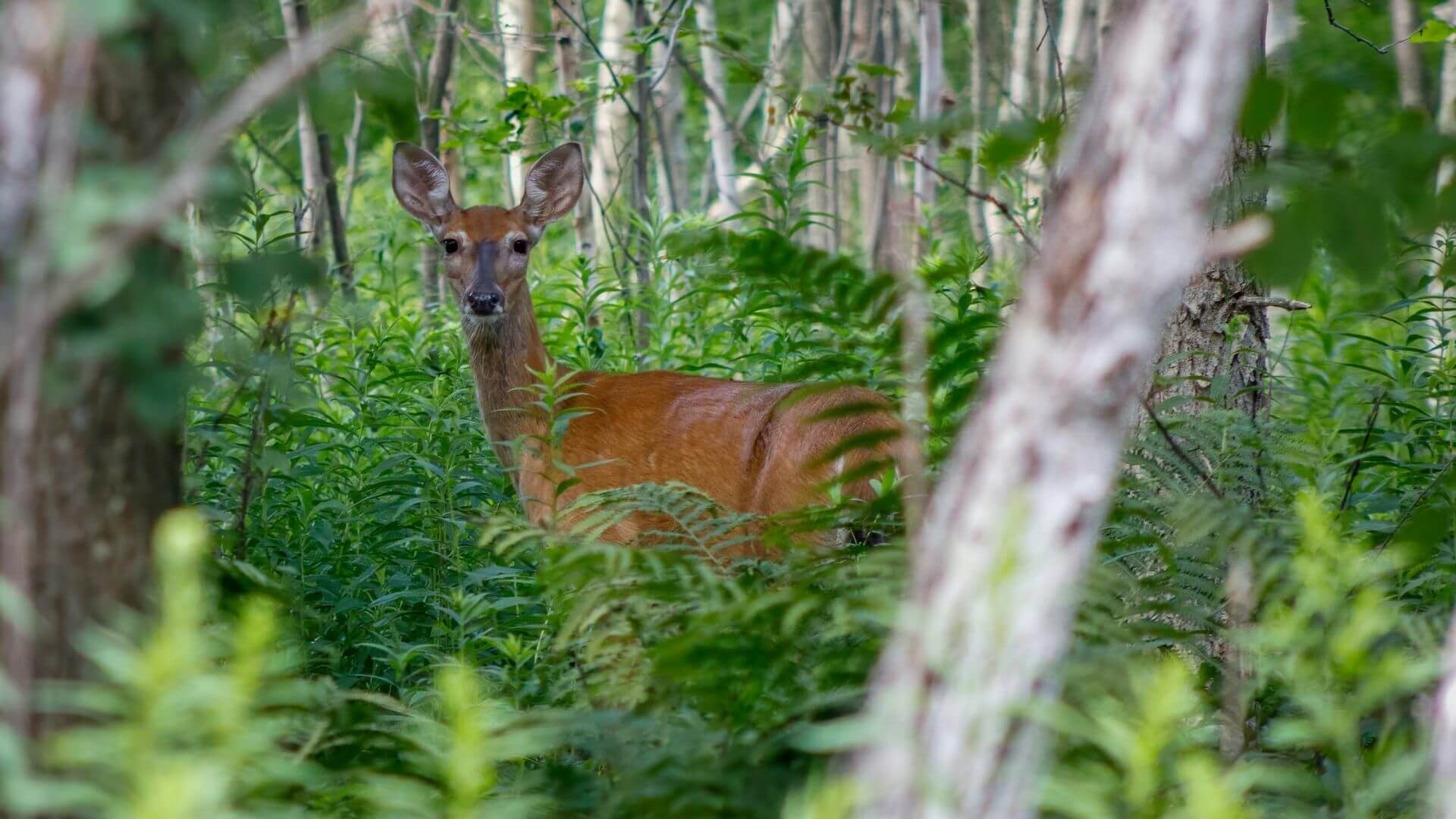 If there’s one habitat feature that consistently predicts higher deer density across Michigan properties, it’s cover — especially bedding cover.
Three Types of Cover That Matter Most
1. Escape Cover
Thick, messy vegetation that deer retreat into for safety.
2. Bedding Cover
Areas deer trust enough to spend most of the day.
3. Thermal Cover
Critical for winter survival in many Michigan counties, especially the northern LP and U.P.
How Much Cover Is Ideal?
Many experienced habitat managers aim for:
30–50% of a property in quality cover.
While we don’t perform habitat work ourselves, we routinely see that properties with strong bedding cover — cedar thickets, young regeneration stands, brushy edges — naturally have higher deer density.
Landowner Approaches We Commonly See
Some of the most effective cover improvements Michigan landowners choose to create include:
- Allowing old fields to grow naturally
- Selective logging to stimulate young growth
- Encouraging brushy transition areas
- Planting conifers for future thermal cover
- Creating soft edges between timber and fields
We’ve walked countless properties where simply letting certain areas grow up led to noticeable increases in deer use.
Feature #3 — Water: The Underrated Deer Magnet
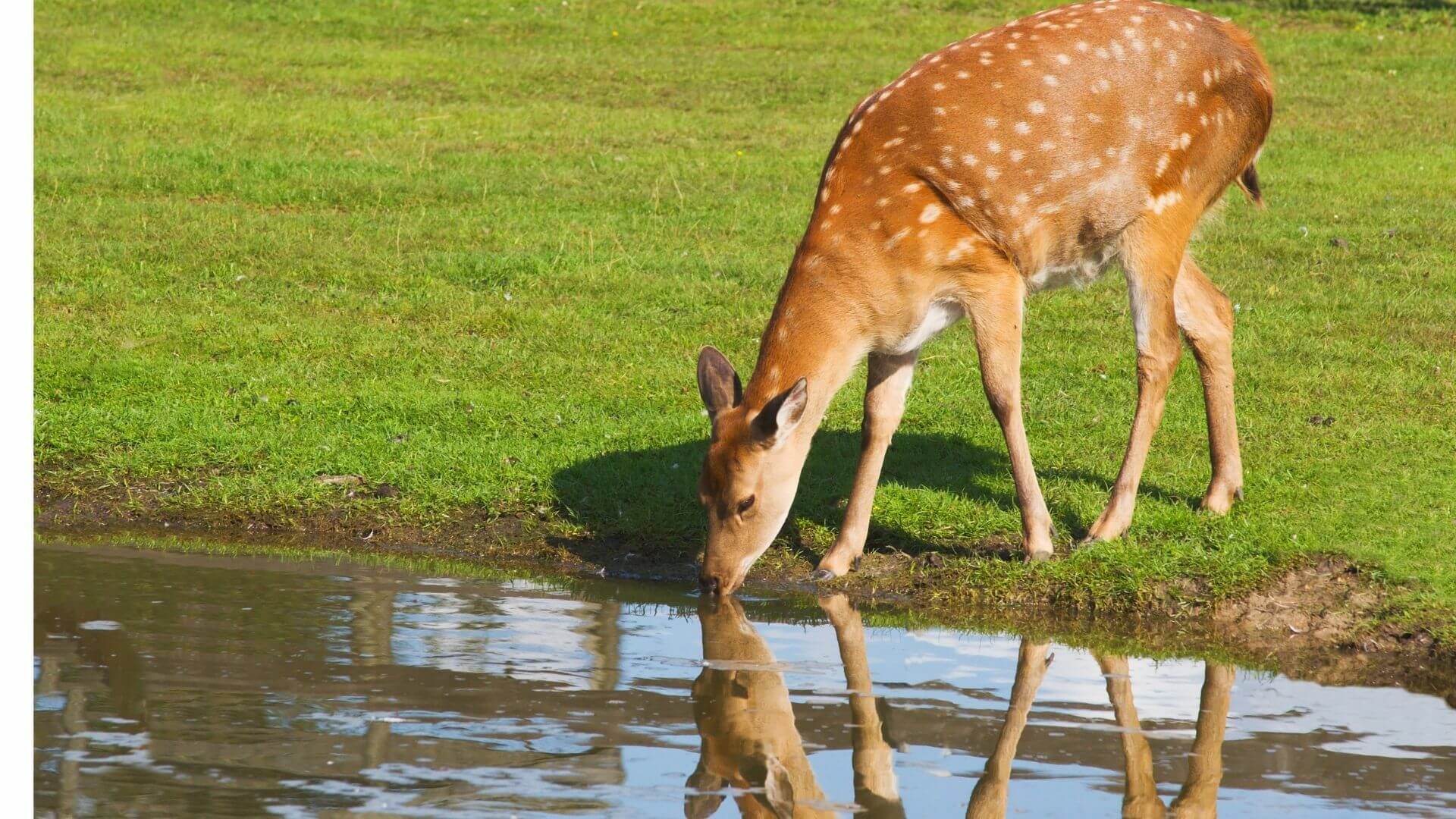 Even in a state with abundant water, usable water sources near bedding and food make a major impact.
Types of Water Sources That Increase Deer Density
- Small streams and creeks
- Natural springs and seeps
- Ponds and small dugouts
- Wetland edges
- Seasonal depressions that hold water into fall
Properties with a dependable water source — especially in areas prone to dry late summers — often pull deer from surrounding parcels.
Where Water Has the Biggest Impact
Based on what we’ve observed in client properties:
- Water inside cover gets used most
- Water near bedding increases daytime activity
- Water between bedding and food becomes a natural travel point
Even a small pond or seep, if positioned right, can dramatically influence how deer use a property.
Putting It All Together: The Habitat “Triangle”
Deer density increases when food, cover, and water exist in a tight, functional layout.
The most effective Michigan properties tend to have:
- Food plots or natural food
- Bedding and escape cover
- Reliable water
- Travel corridors connecting them
- Low-pressure sanctuaries
This is the type of layout that causes deer to center their home ranges on a property — instead of simply passing through.
Landscape Context Matters Too
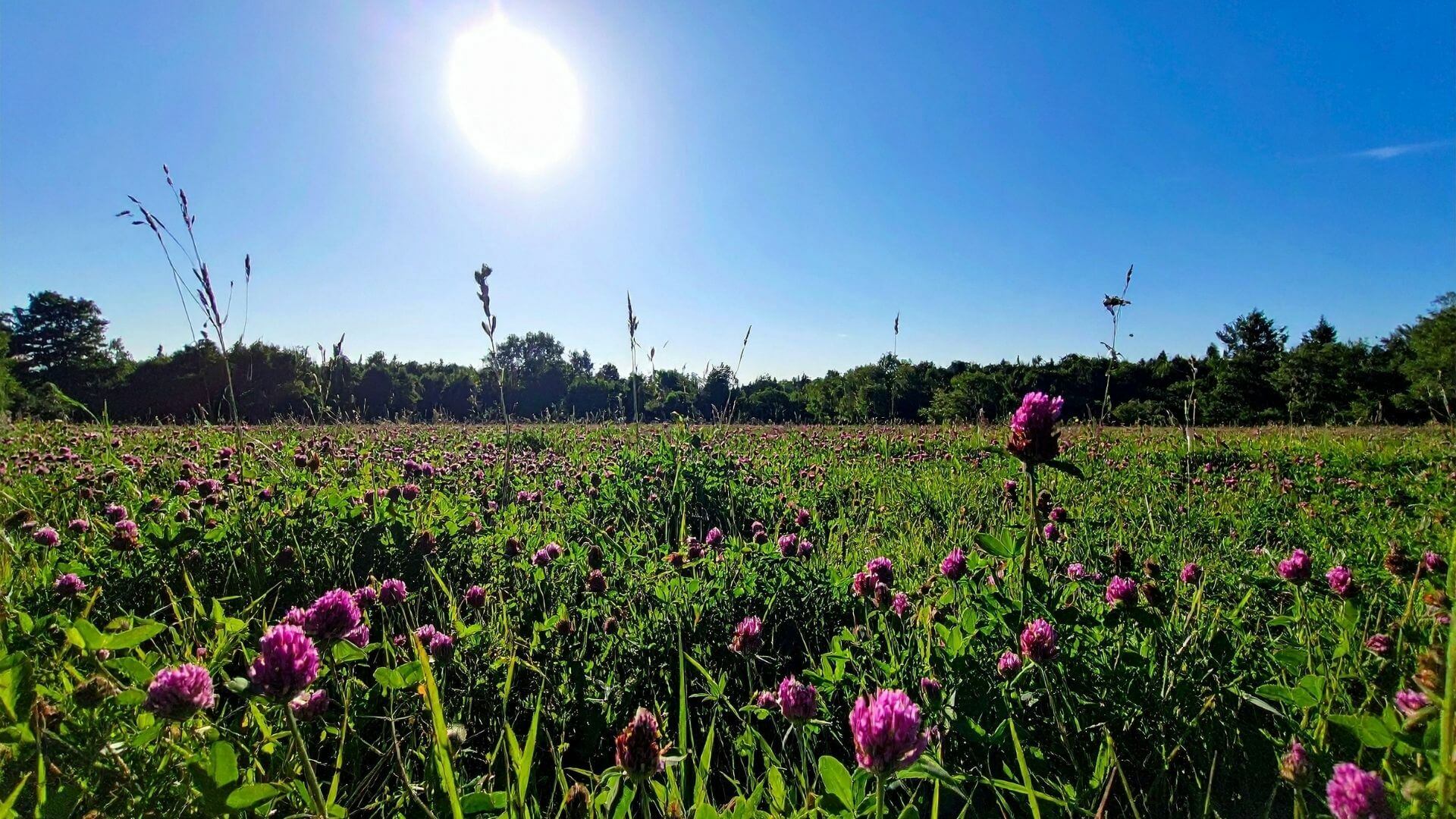 Your property is part of a larger habitat mosaic. Deer density is influenced by:
- Neighboring agriculture
- Timber age and diversity
- Hunting pressure in the surrounding area
- Available winter cover
- Seasonal food supplies nearby
A 20-acre parcel can hold strong deer numbers if it offers the best combination of these features in the immediate landscape.
Common Myths & Mistakes About Increasing Deer Density
Myth: “Bigger food plots always mean more deer.”
Smaller, tucked-away plots often see more daylight use.
Myth: “We have water everywhere, so adding water doesn’t matter.”
Deer prefer safe, accessible water — not just any water.
Mistake: Removing too much understory.
Clean woods often equal low deer numbers.
Mistake: Ignoring edge habitat.
Deer thrive on transition zones.
Case Study: A Michigan Property That Dramatically Improved Deer Density
A landowner in Roscommon County asked us to evaluate why deer numbers were low on his otherwise attractive property. After walking the land with him, several factors stood out:
- Very little bedding cover
- No reliable water source
- Food plots placed far from security
Over the next few seasons, the landowner made improvements including adding bedding pockets, establishing a small pond, and relocating food plots closer to cover.
The results he saw:
- Year 1: Higher doe group consistency
- Year 2: Mature bucks appearing on camera in daylight
- Year 3: Noticeable jump in property appeal and buyer interest
From a brokerage perspective, we see similar patterns statewide:
When a landowner improves bedding, food layout, and water availability, deer density almost always responds.
Checklist for Evaluating (or Buying) a Michigan Property With Deer Density in Mind
Use this list whether you’re managing your own land or touring a potential purchase:
1. Food
- Does the property offer natural browse and/or food plots?
- Are food sources positioned near cover?
2. Cover
- Is there thick, diverse bedding?
- Are there transition zones and edge habitat?
3. Water
- Is there a dependable, safe water source?
4. Access & Pressure
- Can the property be hunted without disturbing bedding?
5. Landscape Context
- What’s happening on neighboring properties?
- Is there supporting habitat in the surrounding square mile?
Land that checks these boxes typically has — or can quickly develop — strong deer density.
Conclusion: Build a Habitat Deer Want to Live In
Increasing deer density is about designing or recognizing a balanced habitat system, not just adding one feature. Properties that offer reliable food, secure cover, and accessible water are the properties deer choose to live on year-round.
As a Michigan land brokerage, we see every day how these features influence property desirability, wildlife value, and long-term appreciation. Whether you’re buying, selling, or simply learning more about your own acreage, understanding habitat features gives you a major advantage.
If you’d like help evaluating a property or exploring Michigan land with strong deer habitat potential, we’re always here to help.
Explore current listings or connect with our team at Michigan Whitetail Properties anytime.