(And Who Actually Qualifies)
If there’s one topic that consistently trips up Michigan land buyers and sellers—no matter how experienced—it’s property taxes. We’ve watched confident buyers second-guess great properties after a winter tax bill shows up. We’ve also seen sellers unintentionally mislead buyers by quoting a tax number that simply won’t survive a sale.
Michigan does offer some excellent land tax break programs, but they’re misunderstood, inconsistently explained online, and often oversimplified. This guide is designed to cut through that noise.
Below, we break down the Principal Residence Exemption (PRE), Qualified Agricultural Property, and the Qualified Forest Program (QFP)—not just what they are on paper, but who actually qualifies in the real world, how they affect buying and selling land, and where people most often get burned.
How Michigan Property Taxes Really Work (Quick but Critical Primer)
 Before diving into exemptions, it helps to understand the foundation they sit on.
In Michigan, property taxes are based on taxable value, not market value. That taxable value is tied to SEV (State Equalized Value) and—under normal circumstances—can only increase at a limited rate each year.
What Changes When a Property Sells
When land changes ownership, the taxable value typically “uncaps” and resets closer to market value. This is why relying on a seller’s tax bill is one of the most common (and expensive) mistakes buyers make.
Tax exemptions don’t eliminate this risk—but they can dramatically soften the blow if they’re understood and applied correctly.
The Principal Residence Exemption (PRE): Clear Rules, Gray Edges
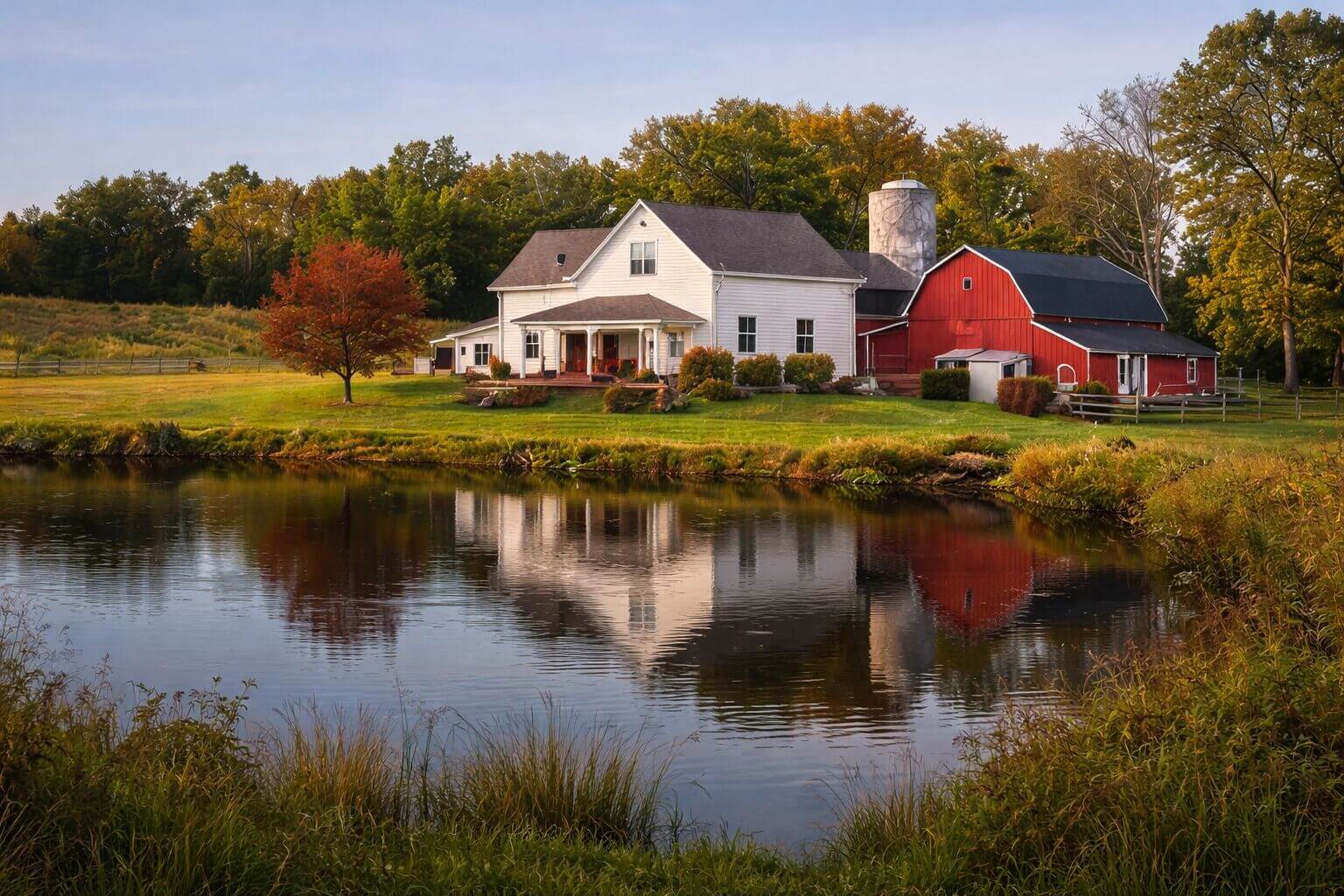 The Principal Residence Exemption, administered through the Michigan Department of Treasury, is the most familiar tax break—but also the one most often misapplied to rural land.
What the PRE Actually Does
The PRE exempts a primary residence from up to 18 mills of local school operating taxes. It applies to the home you truly live in—not where you hunt, vacation, or plan to retire someday.
When Acreage Is Involved
On rural properties, the PRE can apply to:
-
The home
-
The immediate surrounding land tied to residential use
It does not automatically apply to:
-
Entire large tracts
-
Separate hunting parcels
-
Agricultural or timber acreage
Assessors often split parcels or partially exempt properties based on use, which is where confusion sets in.
Who Does Not Qualify (Despite Common Beliefs)
We regularly hear:
-
“It’s our cabin, but we’re there a lot.”
-
“We’re retiring there in a few years.”
-
“It’s our hunting camp, but we sleep there.”
None of those qualify for PRE. Assessors look at voter registration, driver’s licenses, and where daily life actually happens—not intent.
Qualified Agricultural Property: Powerful, but Widely Misunderstood
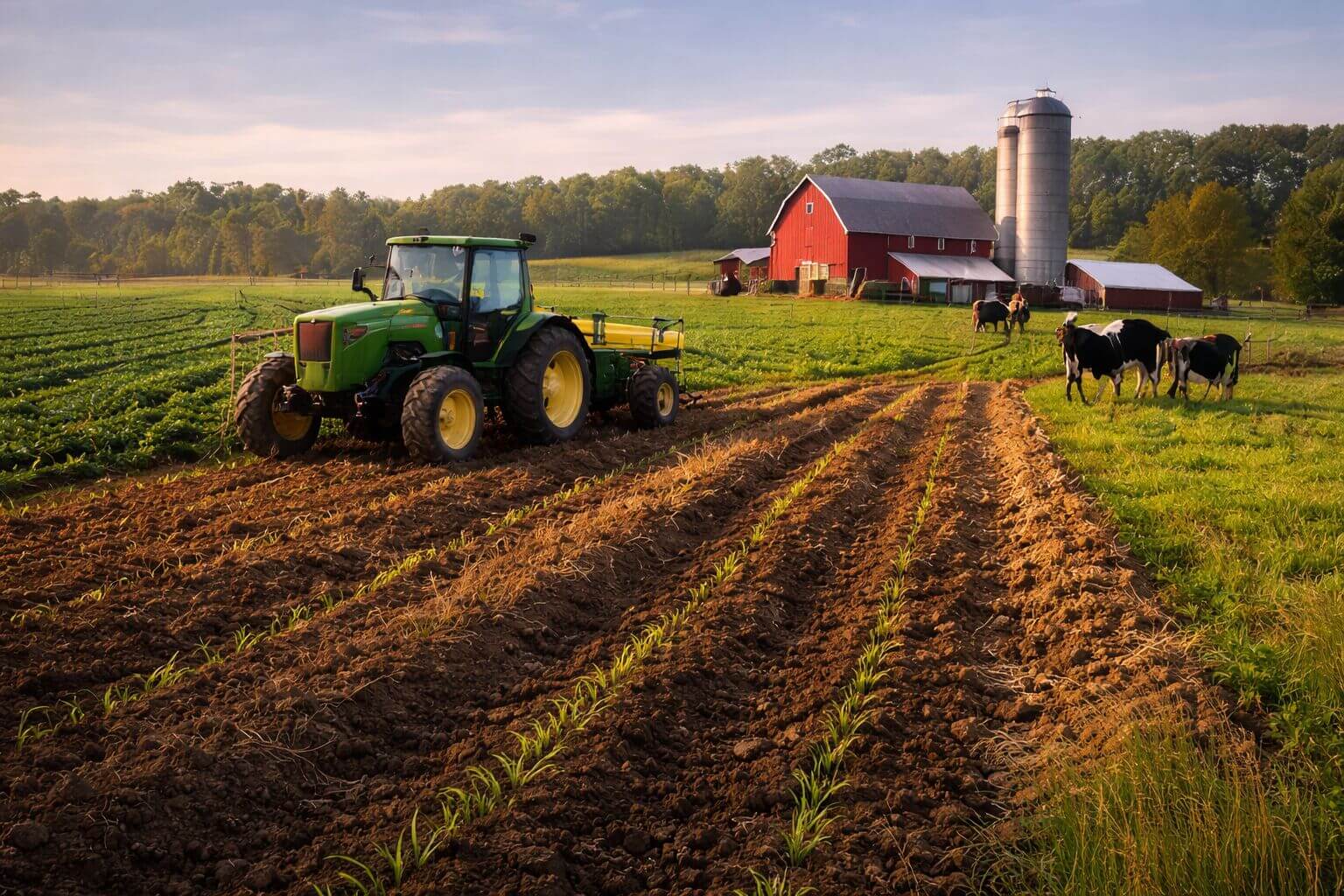 The Qualified Agricultural Property exemption is one of the most valuable tools for keeping farmland taxes predictable—but it’s also one of the most misused.
What Counts as “Qualified Agricultural Use”
Generally, land must be actively used for:
-
Crop production
-
Livestock or dairy
-
Hay, pasture, or specialty crops
Importantly, leased farmland can still qualify if the lease is legitimate and documented.
Acreage Myths vs. Reality
There is no statewide minimum acreage requirement, but local interpretation matters. Ten acres in active crop production may qualify in one township, while 20 acres of idle ground may not in another.
Do Food Plots Count?
In most cases: no.
Wildlife food plots—by themselves—are considered recreational use, not agricultural production. Occasionally, land with both hunting use and leased crop ground may partially qualify, but documentation is everything.
What Happens When the Property Sells
Qualified Ag status does not automatically transfer. Buyers may need to file new affidavits, continue farming activity, or risk losing the exemption entirely after closing.
The Qualified Forest Program (QFP): A Major Opportunity for Wooded Landowners
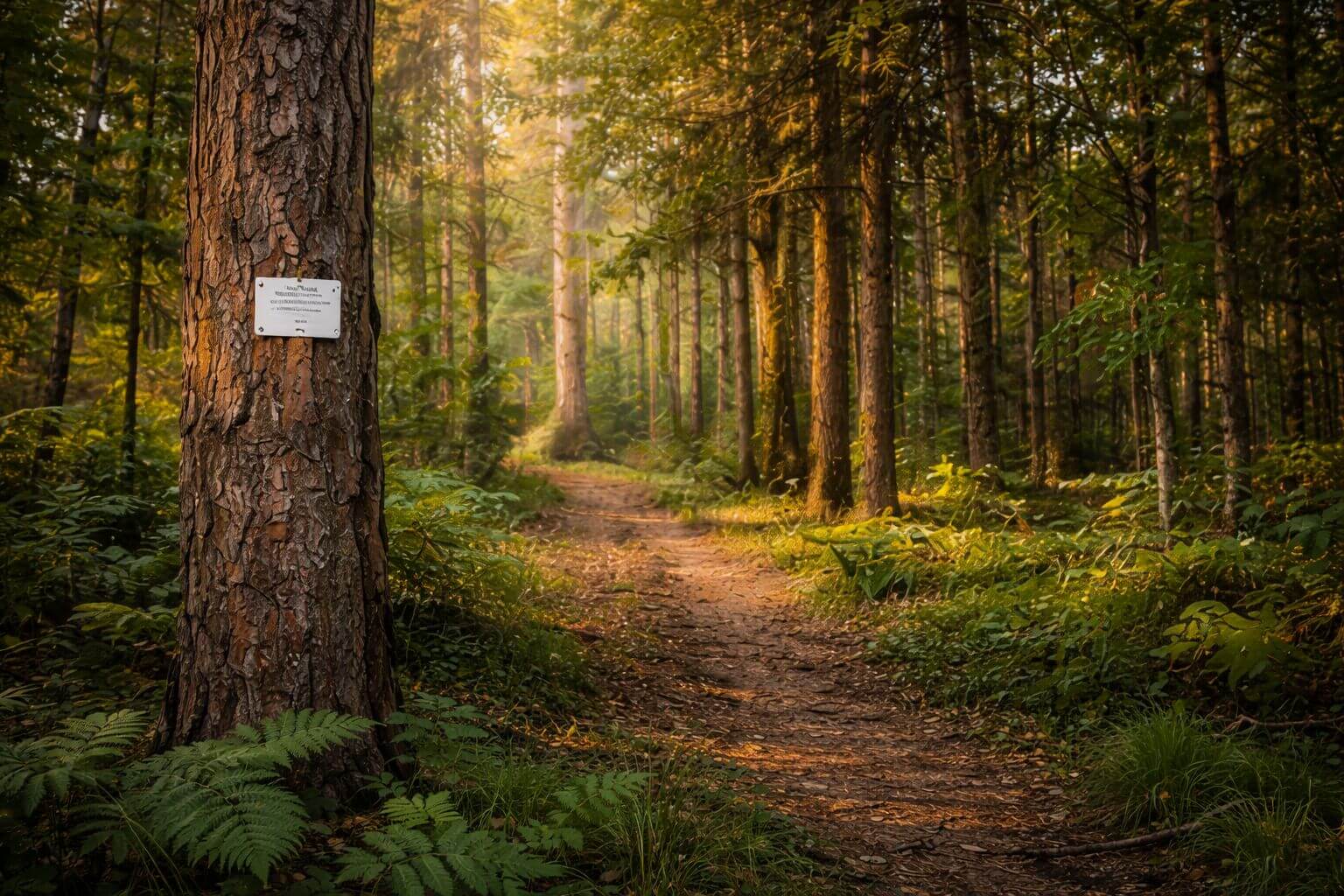 For Michigan landowners with timber ground, the Qualified Forest Program is often the most overlooked tax strategy.
Administered through the Michigan Department of Agriculture and Rural Development, QFP can significantly reduce property taxes on forested acreage.
What QFP Does
QFP exempts enrolled forest land from local school operating taxes, often resulting in meaningful annual savings—especially on larger tracts.
Basic Eligibility Requirements
-
Minimum forested acreage
-
A professionally written Forest Management Plan
-
Long-term enrollment commitment
Clearing Up Logging Fears
A forest management plan does not mean clear-cutting your property. Many plans focus on:
-
Timber stand improvement
-
Invasive species control
-
Wildlife habitat enhancement
We’ve seen QFP enrollment increase the appeal of hunting land when buyers understand the program.
Deadlines and Penalties Matter
Enrollment windows are firm. Missing deadlines or withdrawing early can trigger penalties. This is where working with a knowledgeable forester—and understanding timing during a purchase—matters most.
Side-by-Side Comparison: PRE vs. Qualified Ag vs. QFP
| Program | Applies To | Primary Benefit | Transfers on Sale? | Common Pitfall |
|---|---|---|---|---|
| PRE | Primary residence | School mill exemption | No | Cabins & second homes |
| Qualified Ag | Active farmland | Prevents uncapping | Sometimes | No documentation |
| QFP | Forested land | School mill exemption | Conditional | Missed deadlines |
Costly Myths We Hear Every Year
Some of the most damaging assumptions include:
-
“Anything over 40 acres is automatically agricultural”
-
“Food plots count as farming”
-
“Once exempt, always exempt”
-
“My realtor said the taxes would stay the same”
These myths don’t survive first contact with a township assessor.
How These Tax Breaks Affect Buyers
Smart buyers evaluate post-sale taxes, not current taxes.
Before closing, we recommend:
-
Calling the township assessor directly
-
Confirming which exemptions apply after purchase
-
Budgeting for worst-case tax scenarios
This due diligence protects buyers from surprises—and strengthens negotiation confidence.
How These Programs Affect Sellers
For sellers, exemptions can be a marketing advantage—or a liability if misrepresented.
We encourage sellers to:
-
Disclose current exemptions clearly
-
Avoid quoting post-sale tax assumptions
-
Price land realistically with uncapping in mind
Handled correctly, transparency builds trust and speeds up transactions.
How We Help Clients Navigate Michigan Land Taxes
At Michigan Whitetail Properties, we don’t guess when it comes to taxes. We:
-
Coordinate with local assessors
-
Work with ag tenants and foresters
-
Identify eligibility risks before listings go live
-
Help buyers understand long-term ownership costs—not just the purchase price
That level of clarity is often the difference between confidence and regret.
When to Bring in Additional Experts
We’re land specialists—but some situations require more:
-
Assessors for exemption confirmation
-
Foresters for QFP planning
-
CPAs for broader tax implications
Knowing when to loop in the right expert is part of responsible land ownership.
Frequently Asked Questions
Do I have to reapply every year?
Usually no—but changes in use or ownership may require new filings.
Can I combine exemptions on one property?
Sometimes, depending on parcel splits and land use.
Can I still hunt land enrolled in QFP?
Yes. Hunting is fully allowed.
Does leasing land help me qualify for ag exemption?
It can—if the lease is legitimate and documented.
Final Thoughts: Tax Strategy Should Follow the Land, Not the Other Way Around
Michigan’s land tax programs aren’t loopholes—they’re incentives designed to support responsible land use. When applied correctly, they can make land ownership far more sustainable. When misunderstood, they create frustration and financial stress.
If you’re buying or selling Michigan land and want clear answers—not assumptions—we’re always happy to help you walk through the details before they become expensive surprises.