What we’re seeing across hunting land, tillable ground, timber, waterfront, and rural lifestyle properties — and what it means for buyers and sellers this year…
Michigan land has always been a little different. We’ve got world-class whitetail country, serious timber, real farmland, inland lakes, Great Lakes shoreline, and a deep bench of rural properties that still make sense for both lifestyle and long-term value.
But heading into 2026, the market isn’t just “busy.” It’s getting more strategic.
Buyers are asking sharper questions. Sellers are dealing with more variables (rates, zoning pressure, conservation options, and tighter buyer underwriting). And the “macro” economic backdrop — inflation hangover, higher-for-longer rate psychology, global supply chain reshuffling, and domestic development pressure — is pushing more people to treat land like what it really is:
A productive asset with scarcity, utility, and optionality.
In this report, we break down what we’re seeing across the property types we specialize in — Hunting Land, Recreational, Timberland, Waterfront, Undeveloped Land, Tillable Farm Ground, Farms/Ranches/Homesteads, Country Homes & Estates, Horse Property, Homesites, Log Homes, and Commercial Opportunity — and the real-world trends shaping Michigan land values moving into 2026.
The 2026 setup: the macro economy is changing how people buy land
 We don’t have to pretend the world is “normal.” It isn’t. Between interest-rate sensitivity, commodity volatility, insurance and construction cost increases, and growing geopolitical tension, a lot of investors and families are shifting from “growth-at-any-price” assets toward real assets with tangible use.
Here’s the key point for 2026:
Land demand is increasingly coming from two buyer mindsets at the same time:
-
The lifestyle / freedom buyer
People who want privacy, recreation, self-reliance, room to breathe, and something real they can pass down. -
The asset / optionality buyer
People who want productive capacity (rent, crops, timber), scarcity, and the ability to pivot the land’s use over time.
That second group is showing up more in Michigan than many people realize — and it’s one reason values can stay resilient even when other parts of real estate feel shaky.
At the national level, USDA reported U.S. farm real estate value averaged $4,350/acre in 2025, up from 2024.
National cropland values averaged $5,830/acre in 2025, and pasture averaged $1,920/acre.
That’s the national baseline. Michigan is doing its own thing — and in 2025 Michigan stood out.
Trend #1: Michigan farmland values jumped — and development pressure is a big reason why
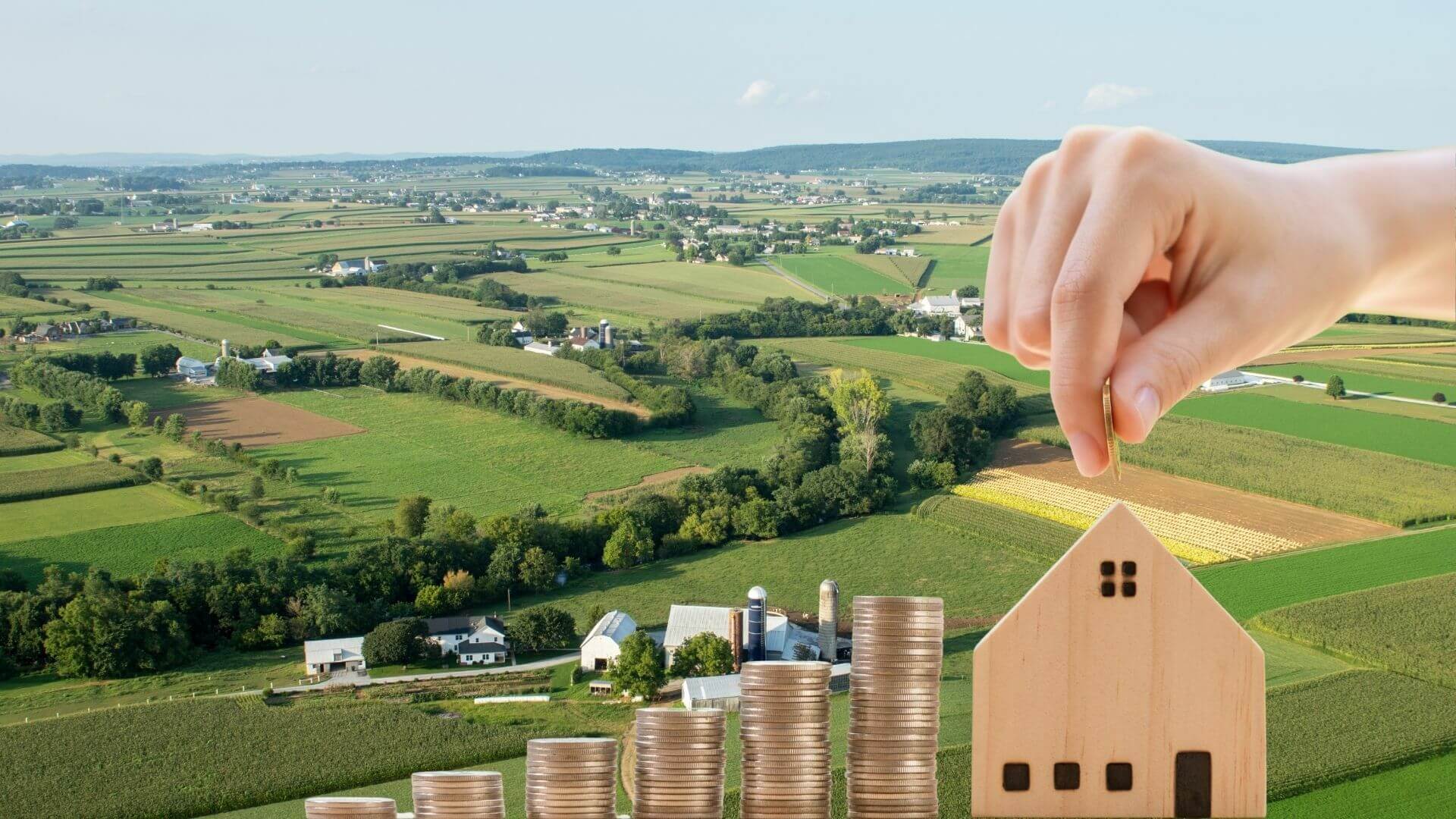 Michigan’s average farm real estate value has been rising faster than the national pace. In late 2025 reporting, Michigan was cited at $6,800 per acre on average, with a 7.8% increase year-over-year — a rate that led the nation.
Now here’s the part people miss:
A portion of that “farmland” value growth is being influenced by non-farm use demand — especially where land has a shot at future development, industrial use, or infrastructure adjacency.
Bridge Michigan reported that development land could yield $30,000 per acre or far more, and that some megasite farmland transactions can run $15,000 to $30,000 per acre, far above the statewide average.
What that means in plain English:
Even if you’re buying hunting land, timberland, or a homestead, you’re now competing in a market where certain regions have “option value” buyers in the mix — buyers who aren’t shopping for deer habitat… they’re shopping for location, zoning potential, utilities, or future use.
Where this shows up most
-
Fringe areas around growing metros
-
Near major road corridors and interstates
-
Places with strong power infrastructure and substation capacity
-
Areas being discussed for industrial parks, data centers, or large-scale projects
Bridge Michigan also cited that the average U.S. data center land transaction is now 224 acres, driven by multi-building campus needs and future expansion.
So yes — “big land” is having a moment.
And Michigan has a lot of it.
Trend #2: Cash rent is still a core value driver — and County variation matters
 When rates are higher and buyers are more careful, land gets underwritten more like a business. That means people look harder at:
-
What the land can earn (cash rent, farm lease, hunting lease, timber plan)
-
What the land will cost to carry (taxes, insurance, maintenance)
-
How much is immediately usable (access, tillable acres, timber maturity, water features)
At the national level, USDA reported the average cropland cash rent in 2025 was $161/acre, with non-irrigated cropland at $147/acre and irrigated at $244/acre.
In Michigan, statewide averages reported in farm media covering USDA data pegged non-irrigated cropland rent around $143/acre.
But the real story is local.
Michigan county cash rents can vary a lot
MSU Extension compiled USDA cash rent data showing big differences by county for non-irrigated cropland. A few examples from the 2025 figures:
-
Huron County: $237/acre
-
Gratiot County: $199/acre
-
Lenawee County: $176/acre
-
Monroe County: $164/acre
-
Hillsdale County: $136/acre
-
Cheboygan County: $27/acre
That spread is exactly why 2026 buyers are asking more questions and leaning harder into local expertise. Two “100-acre farm” listings can look similar on Zillow… and be totally different assets in real life.
Trend #3: Hunting land demand stays strong — but buyers are getting pickier
 Michigan hunting land is still one of the most emotionally-driven purchases out there (in a good way). People aren’t just buying dirt. They’re buying:
-
Family traditions
-
A place to unplug
-
A deer camp legacy
-
Control over their hunting pressure
But in 2026, we’re seeing more buyers ask questions like:
-
“How does this set up for low pressure access?”
-
“Can I hunt it with the prevailing wind options?”
-
“Does it have food, cover, and water — or do I need to build it?”
-
“What’s the neighborhood pressure like during firearm season?”
-
“What are the disease trends and regulations?”
Deer harvest and management signals still matter
Michigan’s DNR presented preliminary 2025 firearm season results showing firearm harvest and statewide totals were down year-over-year in reported numbers (as of early December reporting), and their brief also referenced ongoing disease monitoring and regulation timelines.
We don’t treat that as doom-and-gloom — it’s just part of being a serious land buyer in Michigan. The right properties will continue to outperform because they:
-
Offer sanctuary and security cover
-
Allow smart food plot placement
-
Provide clean access routes that don’t blow the farm up
-
Connect to bigger habitat or have enough internal diversity to hold deer
Bottom line: In 2026, “great hunting land” is still great — but “just woods” is not the same as a purpose-built whitetail property.
Trend #4: Timberland is getting more strategic — and fragmentation is a real issue
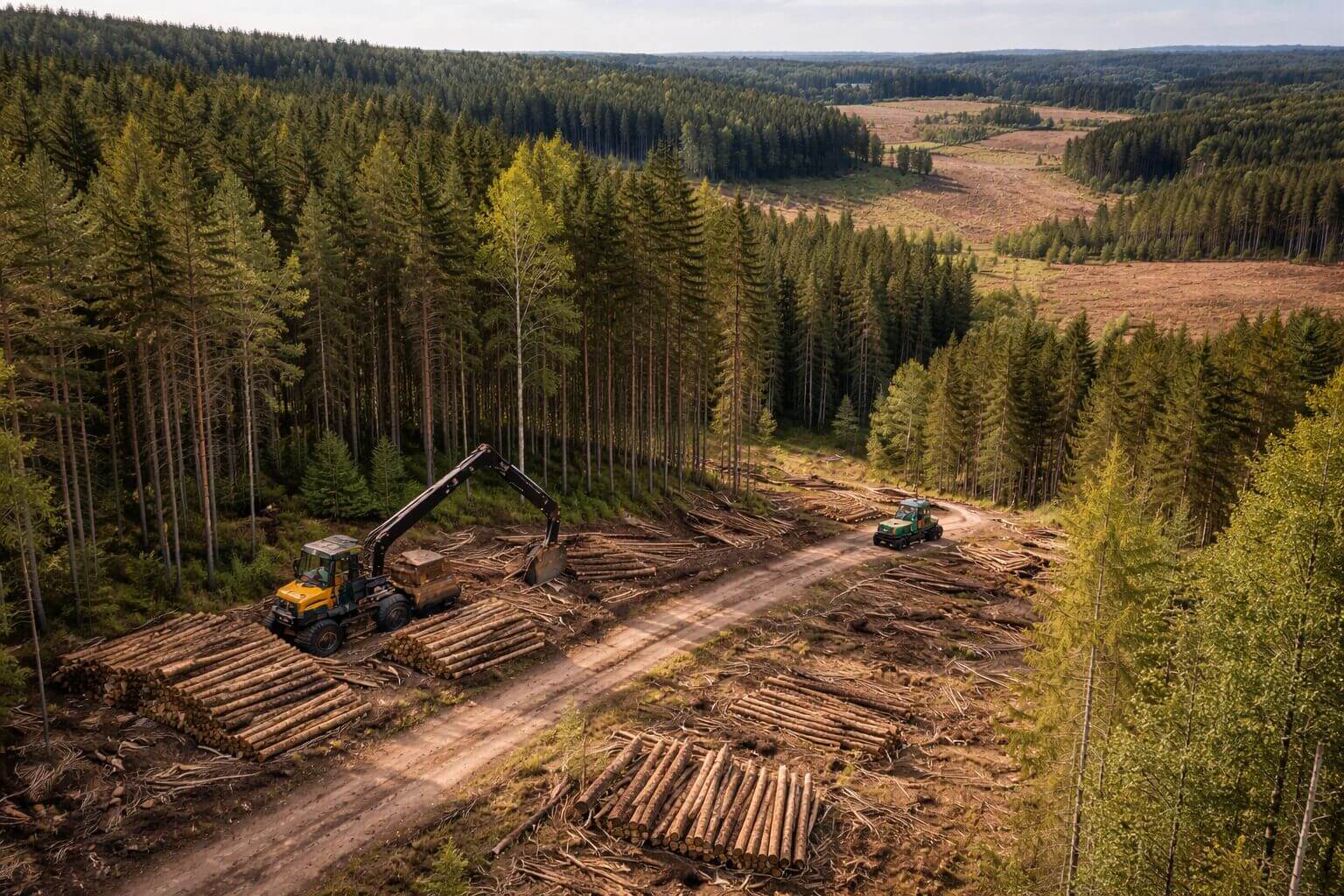 Michigan isn’t short on forest — but high-quality, well-managed timberland in the right locations is absolutely a finite resource.
Michigan DNR documents note the state has 19.3 million acres of forest land covering 53% of the state, with 18.6 million acres considered timberland.
That matters for value because timberland can be:
-
A recreational asset
-
A hunting asset
-
A management asset
-
And, when done right, a long-term income and improvement asset
But the market is increasingly rewarding timber properties that come with:
-
A credible management plan
-
Road and trail infrastructure
-
A realistic harvest timeline (not just “it’s got big trees”)
-
Good access and fewer encumbrances
DNR also flags ongoing threats like fragmentation and parcelization — basically, larger forests getting chopped into smaller pieces, which can reduce wildlife habitat value and long-term management efficiency.
Translation for 2026:
If you own a larger block of Michigan timberland, you’re holding something increasingly hard to replace — especially if it has good access, mixed age classes, and recreational appeal.
Trend #5: Waterfront and riparian land remains premium — but due diligence is everything
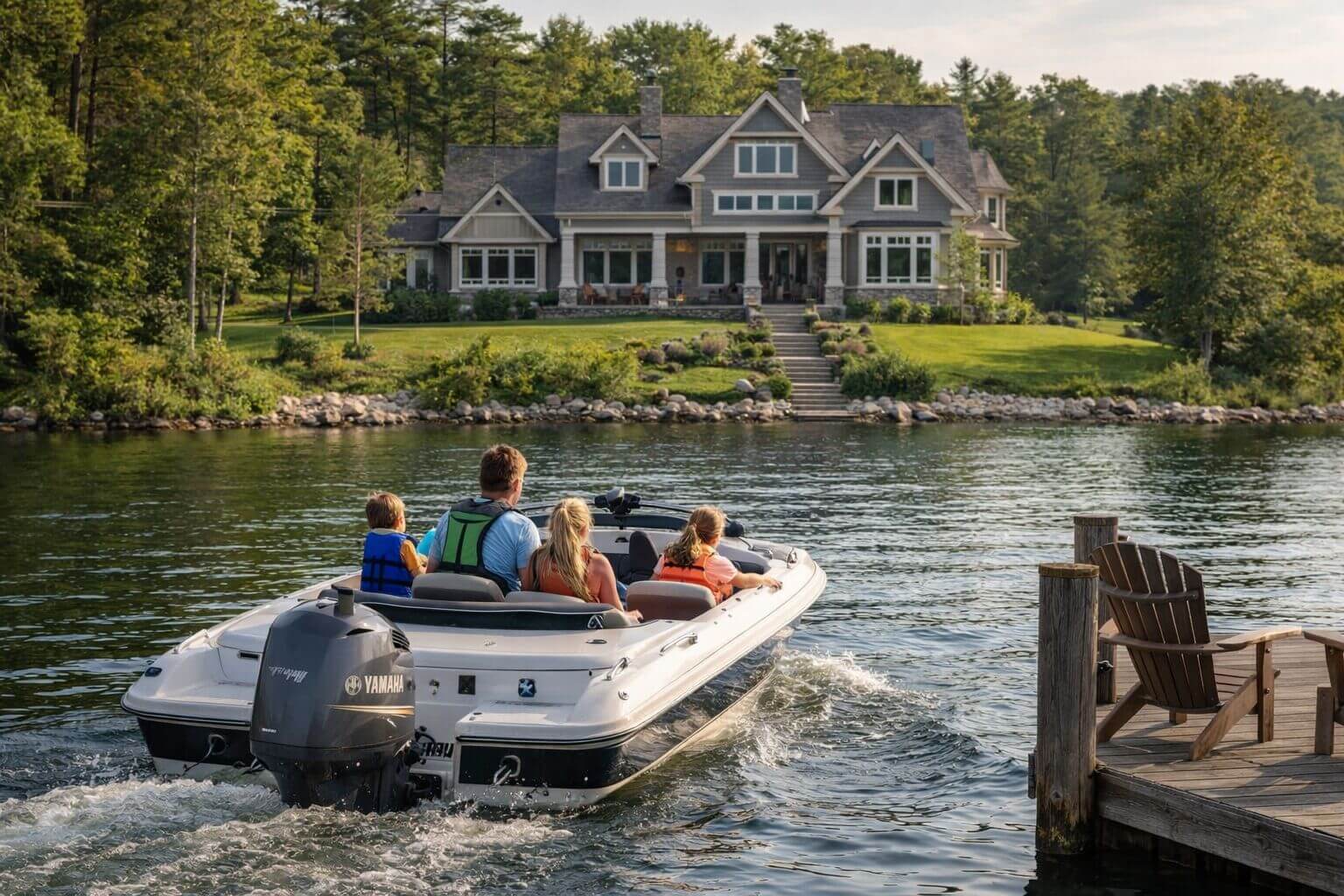 Waterfront in Michigan is its own world. Buyers are still paying for:
-
Lake frontage
-
River frontage
-
Views and privacy
-
Fishing and boating access
-
That “you can’t build this feeling” factor
But in 2026, we’re also seeing more due diligence questions around:
-
Shoreline restrictions and permits
-
Easements and public access questions
-
Wetlands and buildability
-
Erosion and long-term maintenance realities
-
Well/septic feasibility on smaller parcels
The properties that perform best tend to be the ones that combine:
-
Clean, documented frontage
-
Practical build sites
-
A usable shoreline (not just “pretty”)
-
Good year-round access
Trend #6: The rural lifestyle market is still alive — it’s just maturing
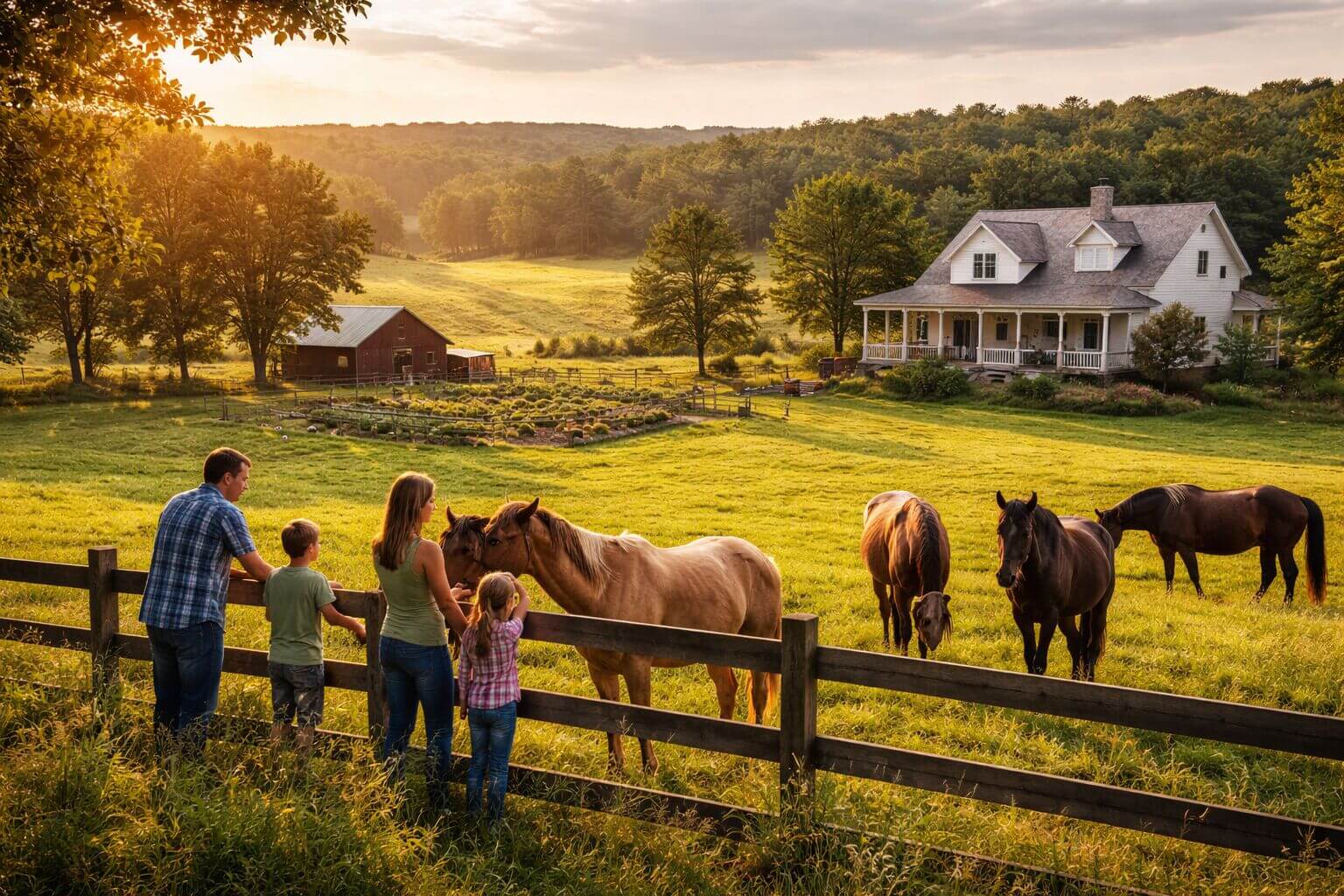 Country homes, log homes, small farms, homesteads, horse properties, and buildable homesites remain in demand — but buyers in 2026 are less impulsive and more practical than the frenzy years.
They’re asking:
-
“How’s the internet?”
-
“Is the road maintained in winter?”
-
“What will it cost to heat and maintain this place?”
-
“Is the outbuilding usable or a teardown?”
-
“Can we actually do the homestead thing here — or are there zoning constraints?”
This is where Michigan shines, because there’s still a wide spectrum of opportunity — from affordable up-north cabins to serious southern Michigan rural estates.
MWP’s property categories reflect exactly that range: Country Homes & Estates, Hunting Land, Farms/Ranches/Homesteads, Homesites, Horse Property, and Timberland alongside the core land categories.
Trend #7: Conservation tools and easements are becoming part of the conversation
For certain sellers and legacy-minded landowners, conservation options are no longer fringe topics. They’re increasingly part of how people think about:
-
Keeping land “land”
-
Protecting habitat
-
Managing future development risk
-
Potentially improving long-term planning outcomes for heirs
Michigan DNR’s Forest Legacy Program materials describe a structure designed to help protect private forest lands from being converted to non-forest uses, often through conservation easements, with federal cost-share support up to certain limits.
This isn’t right for every property or every owner. But in 2026, it’s becoming a more common “what are our options?” discussion — especially for larger timber tracts and legacy properties.
What smart buyers are doing in 2026
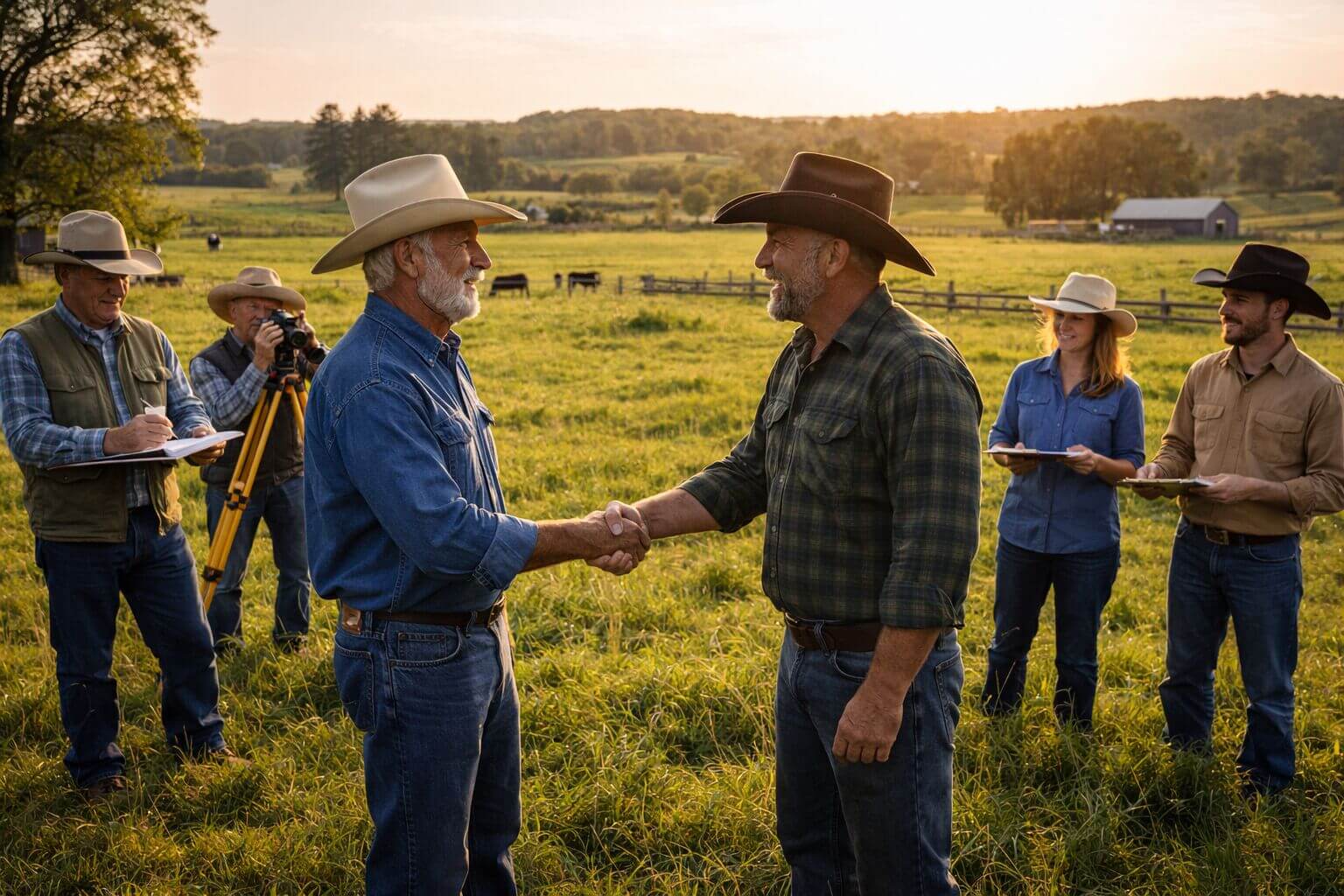 Here’s the playbook we’re seeing from the buyers who end up happiest six months after closing (the ones who don’t call with buyer’s remorse… or surprise repair bills).
1) They buy a mission, not a mood
Before you shop, decide what matters most:
-
Whitetail focus?
-
Mixed recreation?
-
Income + hunt?
-
Build now vs build later?
-
Long-term family legacy?
The clearer the mission, the easier it is to spot the right parcel fast.
2) They underwrite the property like an asset
Even lifestyle buyers are doing basic math:
-
Cash rent potential (if applicable)
-
Hunting lease potential (where appropriate)
-
Timber potential (with a real plan)
-
Carrying costs
3) They obsess over access and setbacks
In Michigan, access is value. Period.
-
Legal easements (documented)
-
Road quality and maintenance
-
Seasonal access reliability
-
Internal trail systems
4) They do real due diligence early
The best buyers confirm:
-
Wetlands and buildability
-
Survey/boundary clarity
-
Zoning intent and local township posture
-
Title, access, easements, and restrictions
-
Existing farm lease terms (if any)
What smart sellers are doing to win in 2026
Sellers who get the strongest offers are doing two things well: reducing uncertainty and showing the property’s story clearly.
1) They package the land like a premium asset
-
Updated maps (aerial + topo + boundary)
-
Food plot and habitat notes
-
Timber notes and management history
-
Farm lease details (rent, term, who pays what)
-
Trail system and access explanation
2) They make the “first 10 minutes” hit hard
A buyer decides emotionally fast — then justifies with data.
Clean entrances, mowed trails, marked corners, and clear showing access can absolutely change the number on the offer.
Where Michigan Whitetail Properties fits in this 2026 market
Land is not a “square footage” purchase. It’s a systems purchase.
In 2026, the advantage goes to buyers and sellers who understand:
-
Habitat and access strategy
-
Local pricing realities (county by county)
-
Farm rent behavior and productivity differences
-
Timber quality and practical management
-
Waterfront buildability constraints
-
Zoning and development pressure trends
That’s why we built our business around these Michigan categories: Hunting Land, Recreational, Timberland, Waterfront, Undeveloped Land, Tillable Farm Ground, Farms/Ranches/Homesteads, Country Homes & Estates, Homesites, Horse Property, and Recreational Land.
Closing: The 2026 opportunity (and the real point of owning Michigan land)
As we move into 2026, the land market is being shaped by two truths at once:
-
The global economy is noisy and uncertain.
-
Michigan land is still fundamentally useful — and limited.
That combination tends to reward people who think long-term.
Whether your goal is to buy a whitetail property your family will talk about for decades, lock in productive ground that can pay its way, harvest timber responsibly over time, or secure waterfront that simply can’t be replicated — the best move in 2026 is the same move it’s always been:
Buy (or sell) with a plan.
Not panic. Not hype. Not FOMO.
Michigan is still one of the best states in the country to own land that you can actually use — and we’re here to help you find the parcel that fits your mission, your budget, and your long-term goals.