At first glance, a Michigan property buried under snow can feel impossible to evaluate. Food plots are gone. Leaves are off. Everything looks the same shade of white.
That’s usually when buyers say, “We’ll wait until spring.”
But here’s the truth we’ve learned from walking hundreds of Michigan hunting properties year-round: snow doesn’t hide the truth—it reveals it. Winter is often the most honest season you’ll ever see a piece of hunting land.
If you know what to look for, snow becomes one of your best tools.
Why Winter Is One of the Best Times to Evaluate Michigan Hunting Land
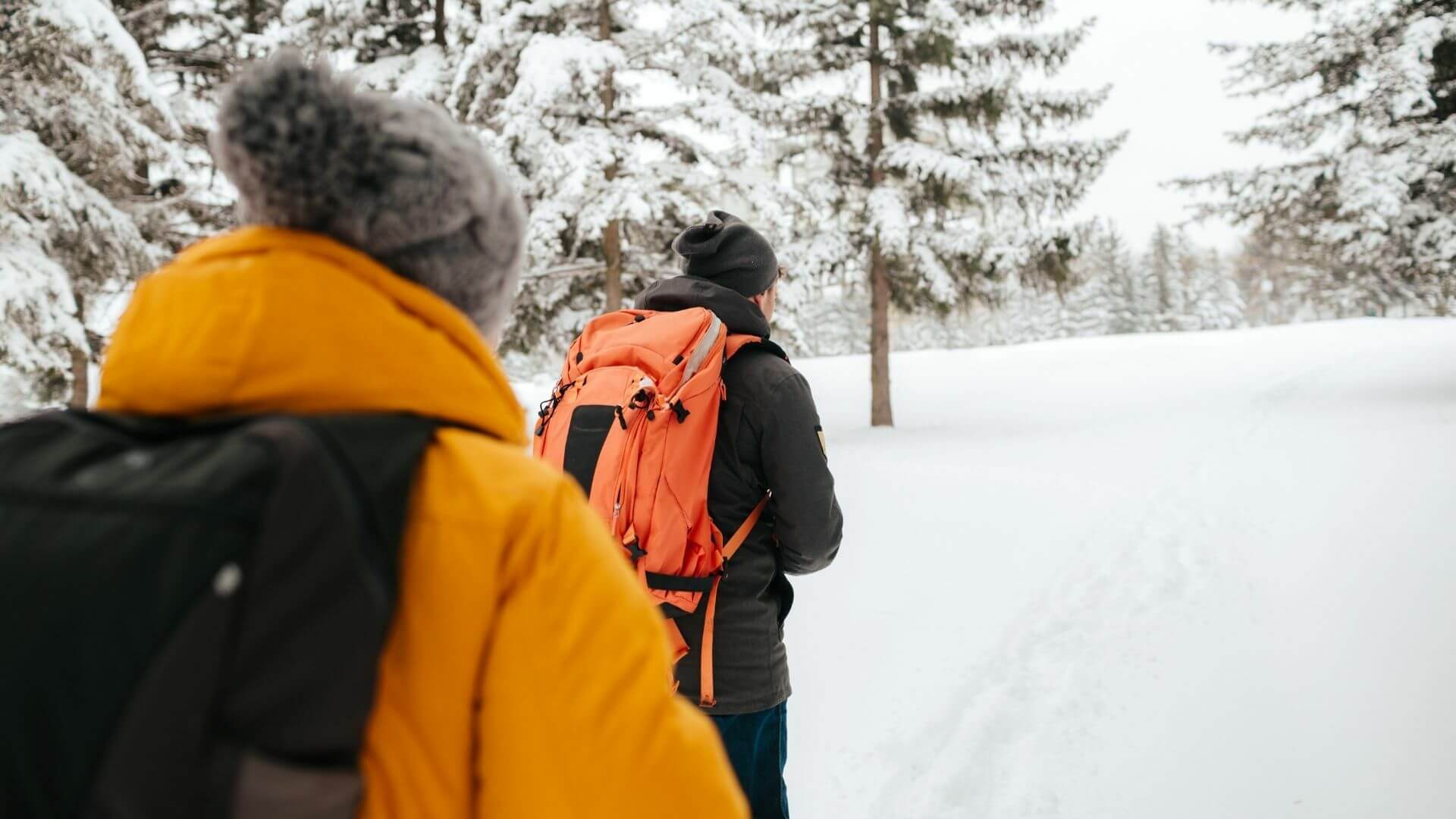 Snow strips a property down to its fundamentals. There’s no green-up to distract you and no fall colors to hide flaws. What’s left is how the land actually functions.
When we walk properties in winter, we’re not guessing—we’re reading evidence.
Snow Reveals What Leaves Hide
Fresh snow highlights:
-
Primary deer trails
-
Daily travel routes
-
Crossings, funnels, and pinch points
-
How animals move when survival matters
Those tracks tell a story you’ll never get from a summer showing.
Pressure Becomes Obvious
Human activity leaves as much sign as deer do in winter:
-
Boot tracks
-
Snowmobile trails
-
ATV access
-
Fence crossings and boundary issues
Pressure patterns are often clearer in January than any other month.
Reading Deer Sign in the Snow (Michigan-Specific)
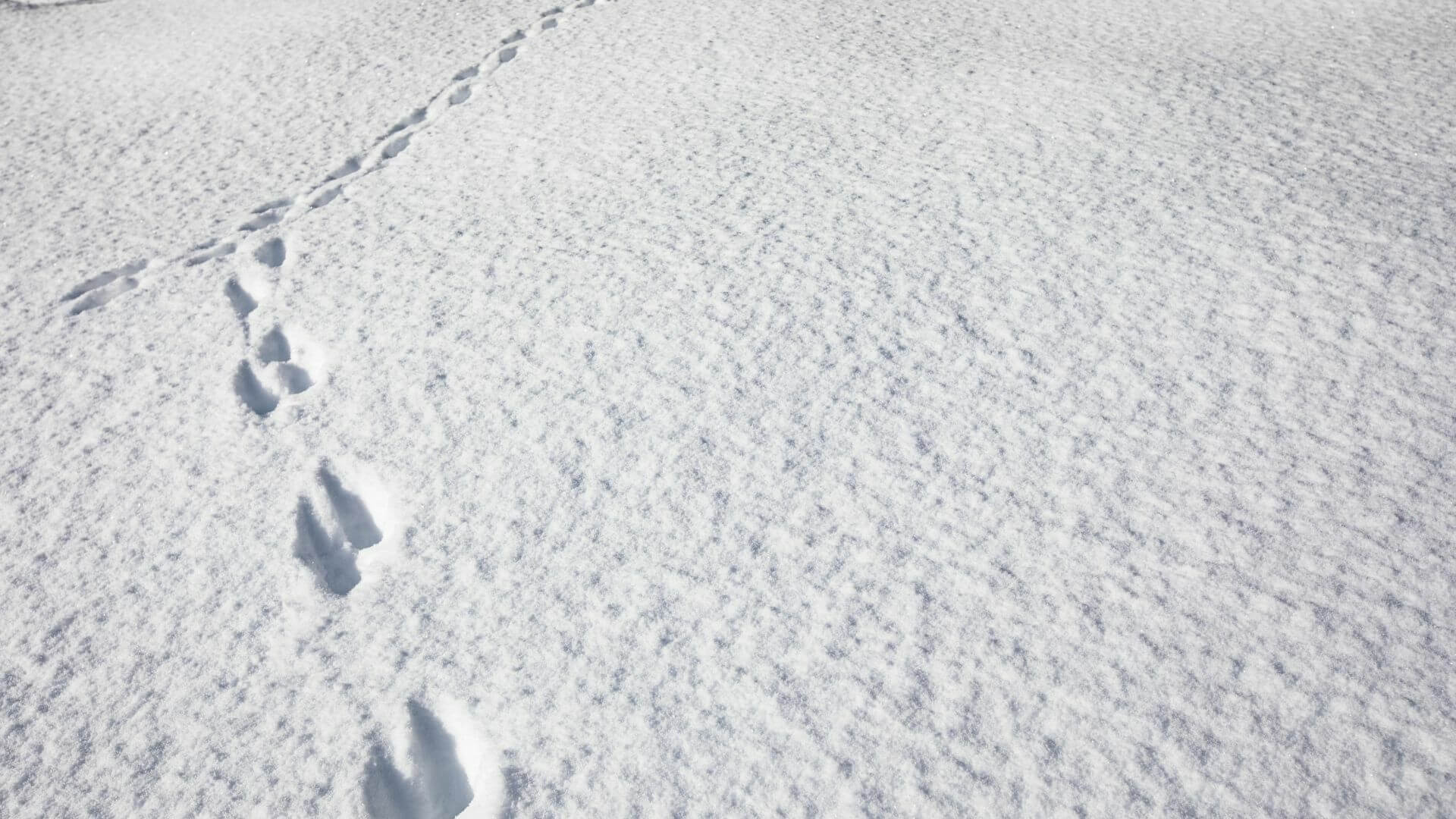 Not all deer behavior is created equal across the state. Michigan’s regions hunt differently, winter differently, and hold deer differently.
Identifying Primary Travel Corridors
Snow shows you where deer actually travel, not where we hope they do.
Look for:
-
Multiple sets of tracks using the same route
-
Trails connecting cover to food
-
Crossings through low spots, fence gaps, or timber edges
If tracks are stacked on top of each other, that’s not accidental—that’s routine movement.
Understanding Winter Bedding in Michigan
In winter, Michigan deer prioritize survival over comfort.
Common bedding areas include:
-
South-facing slopes that catch sun
-
Thick conifer cover (cedar, spruce, pine)
-
Swamp edges with thermal protection
-
Remote pockets away from pressure
In Northern Michigan and the UP, winter cover is everything. In Southern Michigan, pressure avoidance becomes just as important as food.
Access Matters More in Winter Than Any Other Season
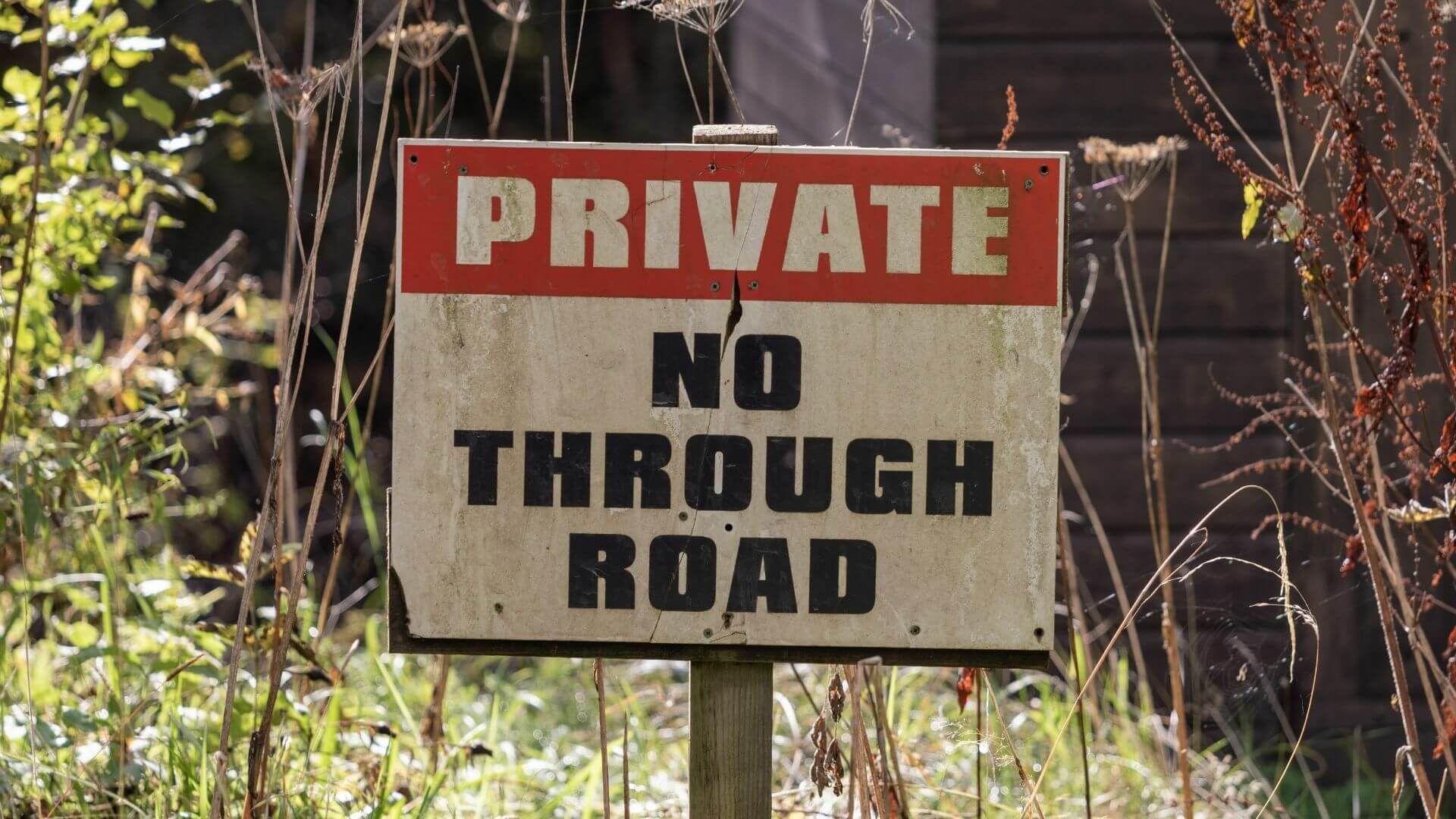 A property can be perfect on paper and frustrating in reality if access isn’t right. Winter exposes this fast.
Can You Reach the Property After a Snowfall?
Questions winter answers immediately:
-
Is the road plowed—or legal but unusable?
-
Does the easement get maintained?
-
Can emergency vehicles reach it?
If access is questionable in winter, it will be worse during spring thaw.
Evaluating Internal Roads and Trails
Snow shows:
-
Where water collects
-
Where ruts form
-
Which trails were actually used
If a road looks good with a foot of snow on it, it’s probably solid. If it’s a mess now, it won’t magically improve later.
Snow Is the Best Way to Identify Drainage Problems
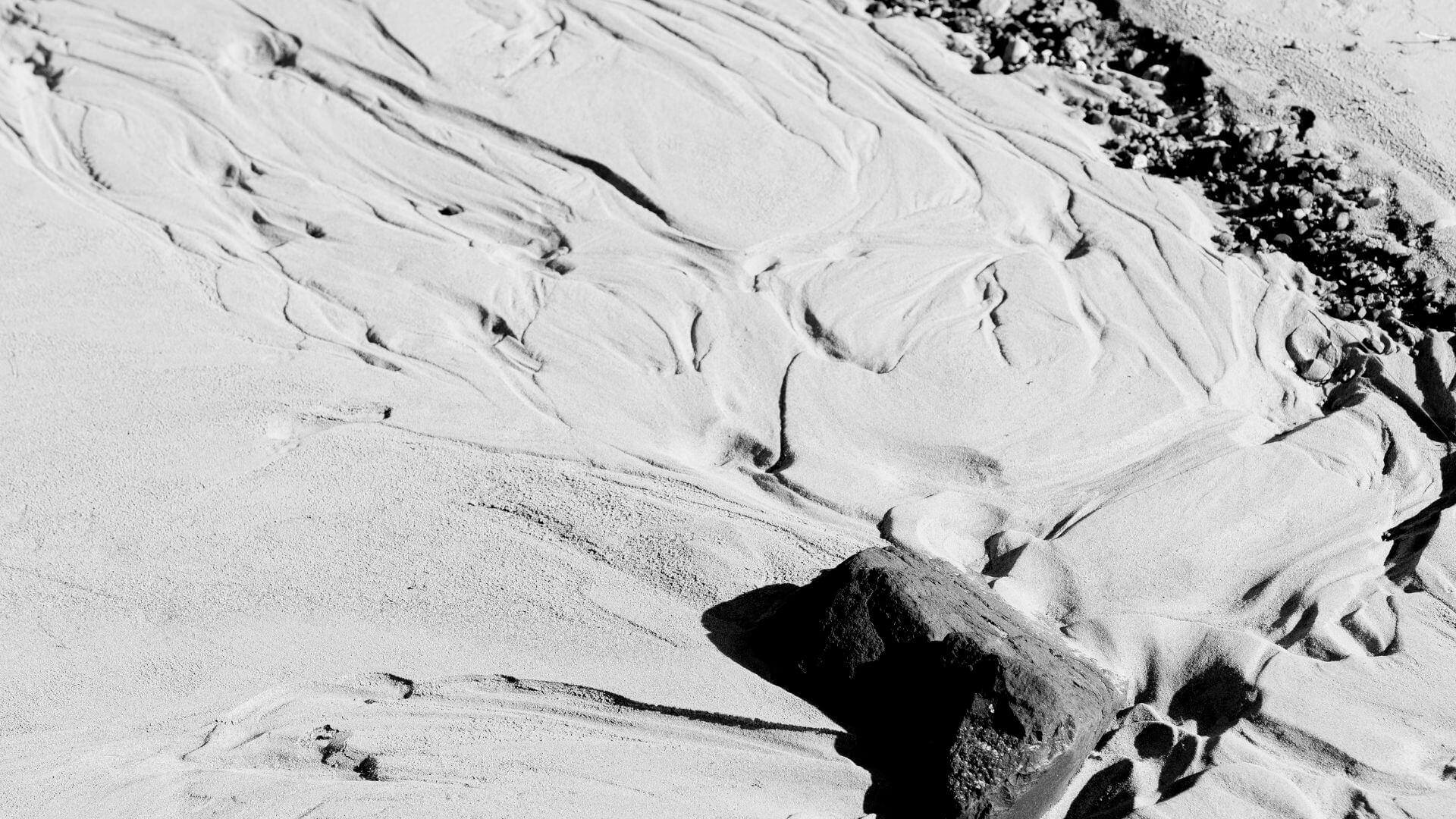 Drainage is one of the most expensive issues to fix—and one of the easiest to miss in summer.
Spotting Low Areas and Wet Ground
Watch for:
-
Uneven snow melt
-
Standing water under ice
-
Areas that stay soft even in cold weather
Those spots often turn into springtime headaches.
Why Drainage Impacts Hunting Value
Poor drainage affects:
-
Food plot success
-
Equipment access
-
Stand placement
-
Long-term improvement costs
Winter gives you a preview before you ever spend a dollar fixing problems.
Evaluating Timber and Habitat with the Leaves Off
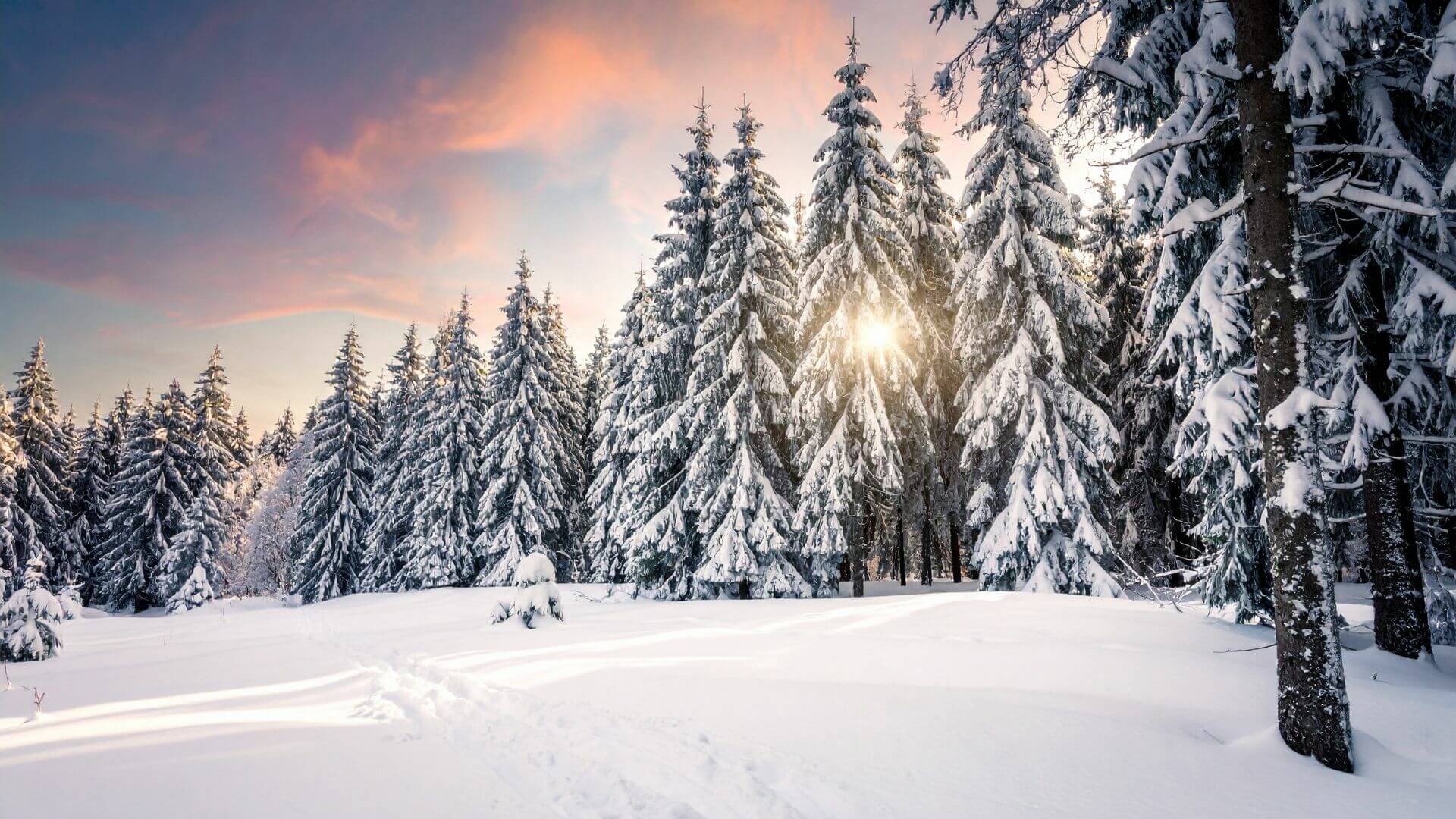 This is where winter really shines for serious buyers.
Seeing Timber Clearly
Without leaves, it’s easier to:
-
Identify tree species
-
Spot past timber cuts
-
Evaluate future timber value
-
See stand density and age structure
Timber quality matters for habitat and long-term land value.
Identifying Habitat Improvement Opportunities
Winter reveals:
-
Where hinge cutting would create bedding
-
Edges that could be feathered
-
Areas that need thickening
-
Places deer avoid entirely
It’s much easier to plan improvements when you can see the skeleton of the land.
Food Sources Still Matter—Even When Plots Are Gone
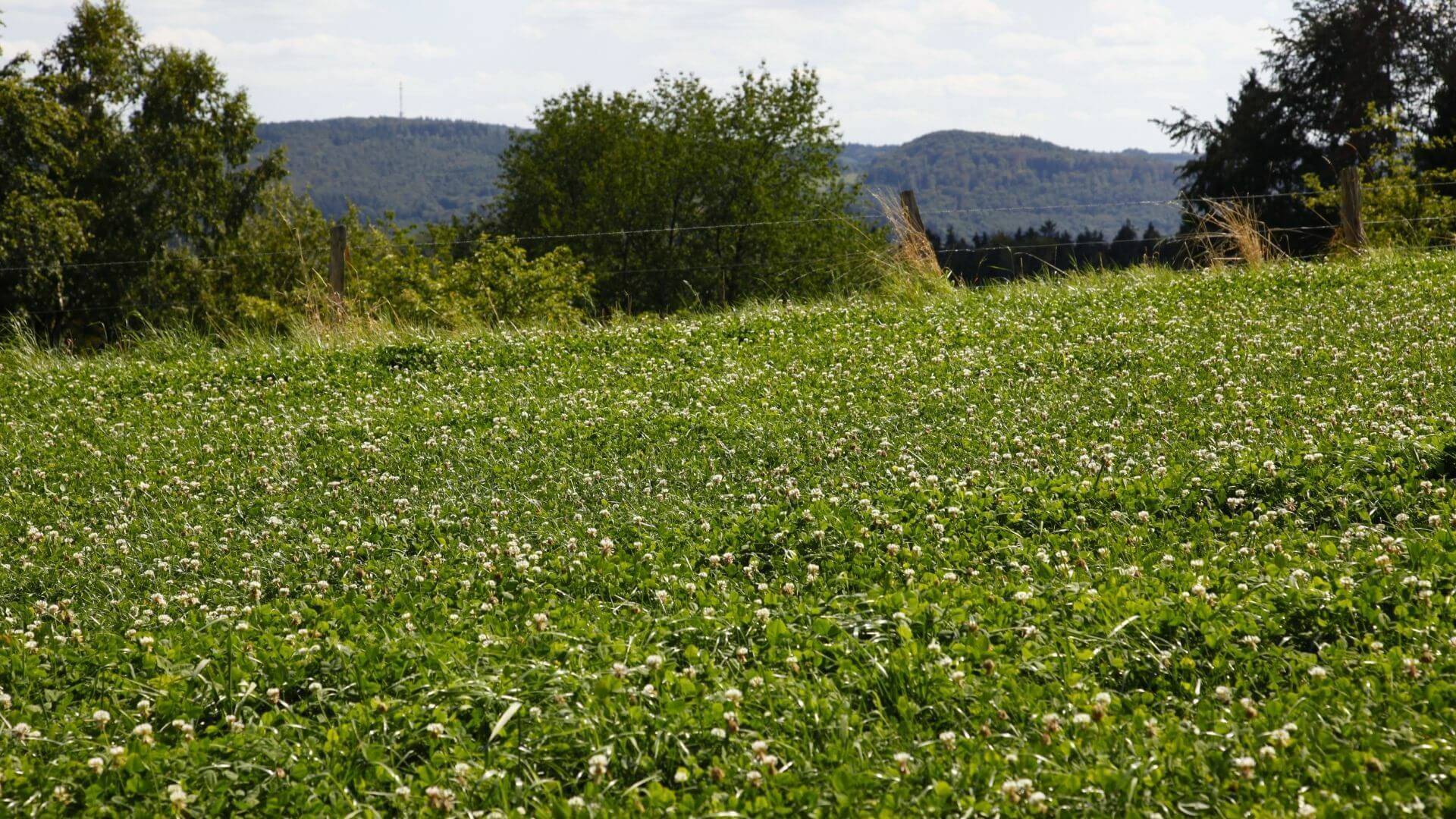 Just because food plots aren’t visible doesn’t mean food isn’t present.
Natural Winter Food Sources in Michigan
Deer rely heavily on:
-
Browse (woody stems and buds)
-
Standing corn or soybeans nearby
-
Mast remnants
-
Adjacent agricultural pressure
A property doesn’t need giant food plots if it’s positioned correctly.
Neighboring Land Use Is Critical
Winter movement often tells you more about neighbors than the property itself:
-
Where deer are entering and exiting
-
Which properties hold food
-
How pressure shifts deer daily
A great tract surrounded by pressure can hunt small. A modest tract positioned right can hunt big.
How Winter Reveals Neighbor Pressure and Boundaries
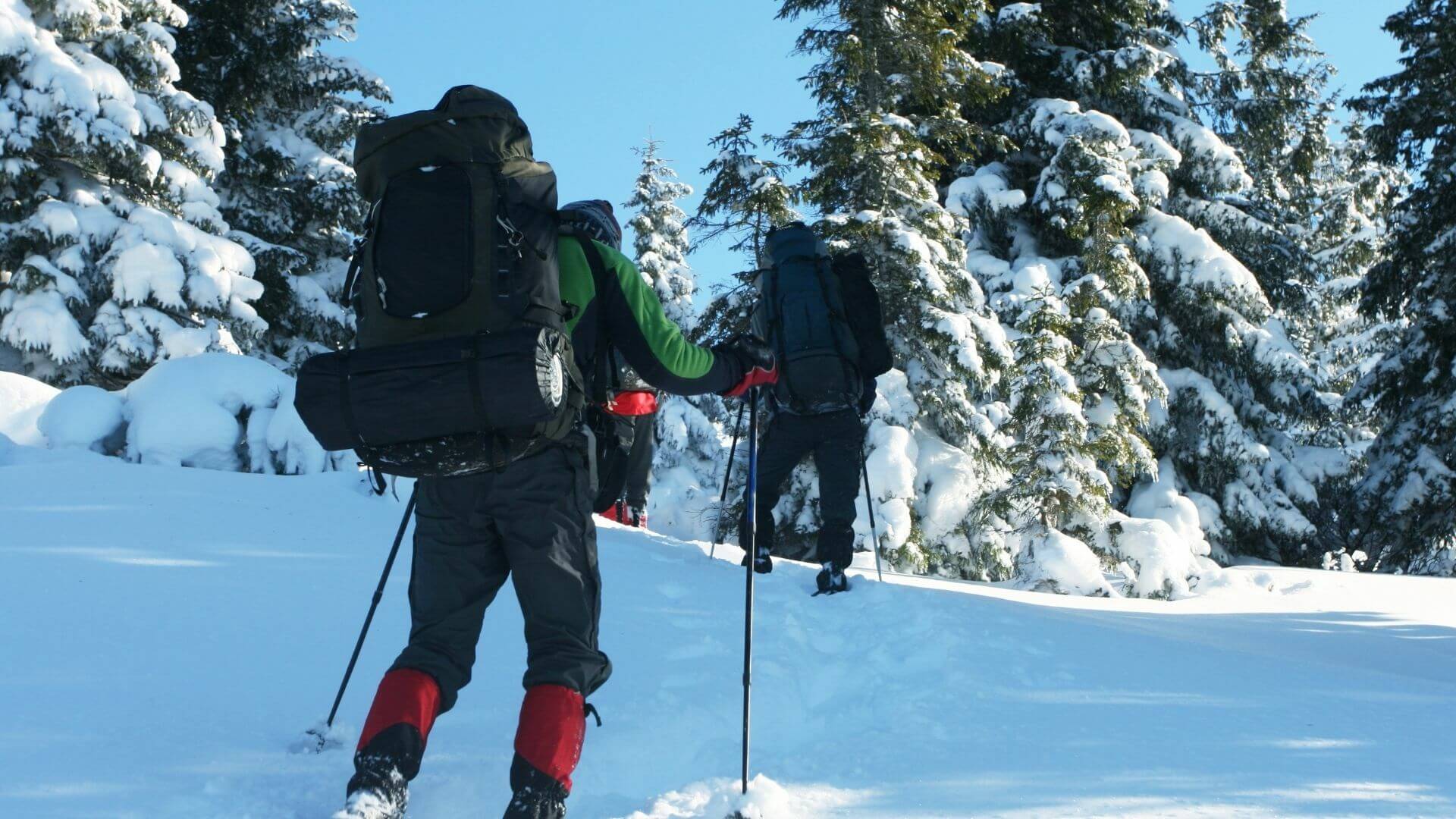 Pressure can make or break a Michigan hunting property.
Tracking Human Activity
Snow highlights:
-
Trespass trails
-
Snowmobile traffic
-
Access points from neighboring land
-
Unintended entry routes
This information is invaluable—and nearly invisible in summer.
Confirming Boundaries in Winter
Fence lines, posted signs, and survey markers often stand out more against snow. It’s also easier to see where others think boundaries are versus where they actually lie.
Common Mistakes Buyers Make When Viewing Snow-Covered Land
We see the same mistakes every winter.
Mistake #1: Waiting Until Spring
Spring hides problems with green grass and fresh leaves. Winter shows them.
Mistake #2: Judging a Property Only by Food Plots
Food can be planted. Access, pressure, and layout cannot be easily changed.
Mistake #3: Ignoring Access and Neighbor Influence
Snow exposes realities buyers often overlook when conditions are perfect.
How We Evaluate Michigan Hunting Land in Winter
When we walk land in winter, we’re focused on function—not looks.
Our Winter Walkthrough Process
We look for:
-
Deer movement patterns
-
Access practicality
-
Drainage issues
-
Pressure points
-
Habitat improvement potential
We ask how the land hunts on its worst days—not its best.
Why Local Experience Matters
Every Michigan county hunts differently. Snow depth, deer density, and pressure vary widely across the state. Local knowledge turns winter from intimidating into informative.
Is Winter the Right Time for You to Buy Michigan Hunting Land?
Winter buying isn’t for everyone—but it’s ideal for some.
When Winter Buying Makes Sense
-
You want less competition
-
You value honest evaluation
-
You plan long-term
-
You want leverage and clarity
When Waiting Might Be Better
-
You need visual confirmation of food plots
-
You’re uncomfortable reading land sign
-
You prefer warm-weather showings
There’s no wrong answer—only the right approach for your goals.
Snow Doesn’t Hide the Truth—It Reveals It
Michigan hunting land doesn’t stop functioning in winter. In many ways, it becomes easier to understand.
Snow shows:
-
Where deer move
-
How people access land
-
What problems exist
-
What potential lies beneath
If you know what to look for, winter can be one of the smartest times to evaluate—and even purchase—Michigan hunting land.
And if you’re unsure, that’s okay. Learning the land is part of the process.
The snow will tell you more than you think—if you’re willing to listen. ❄️🌲